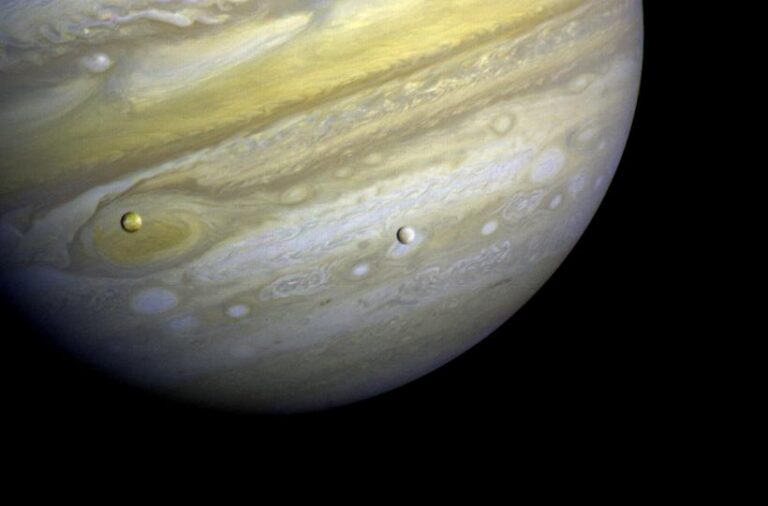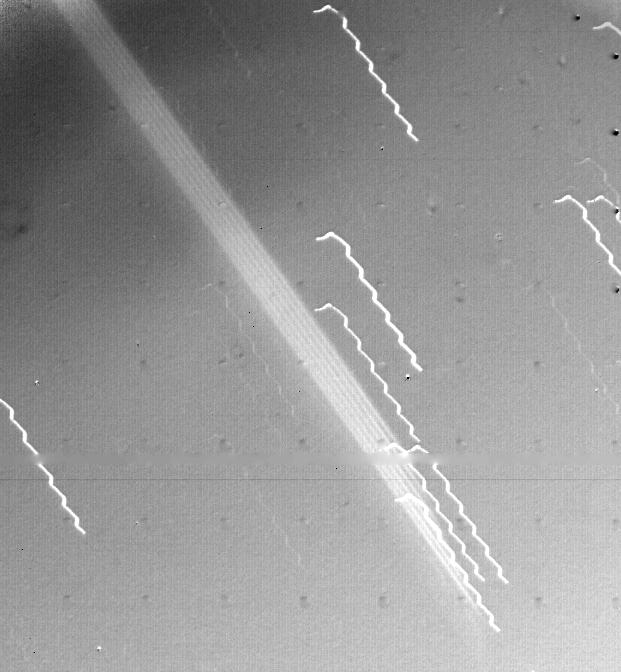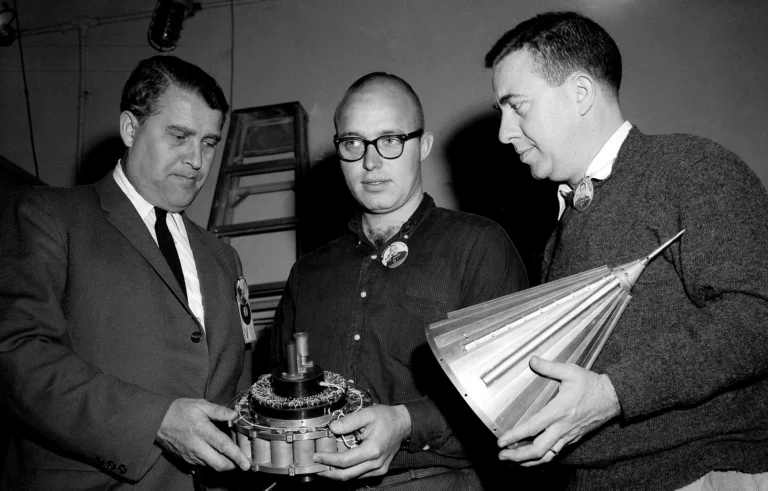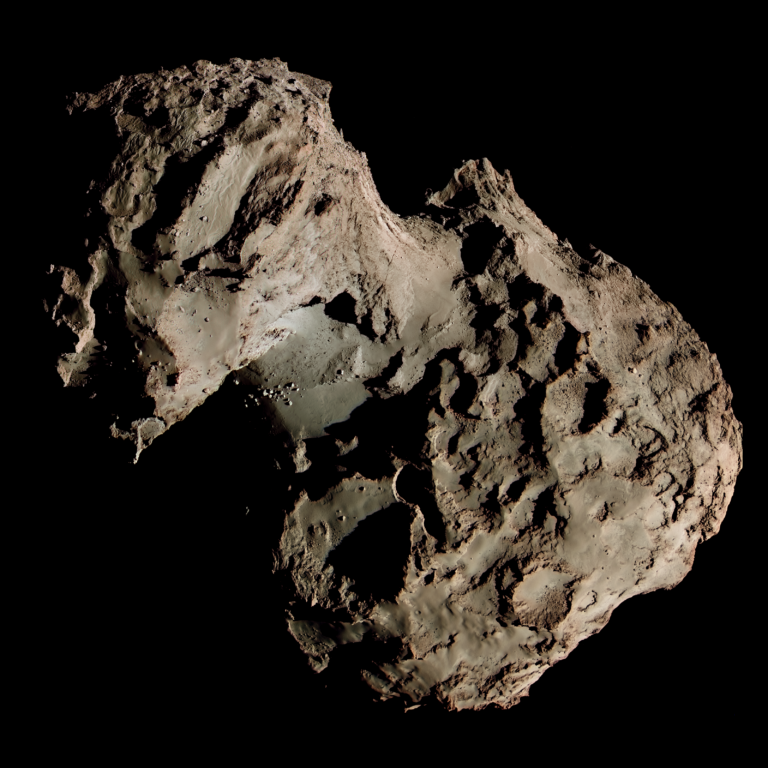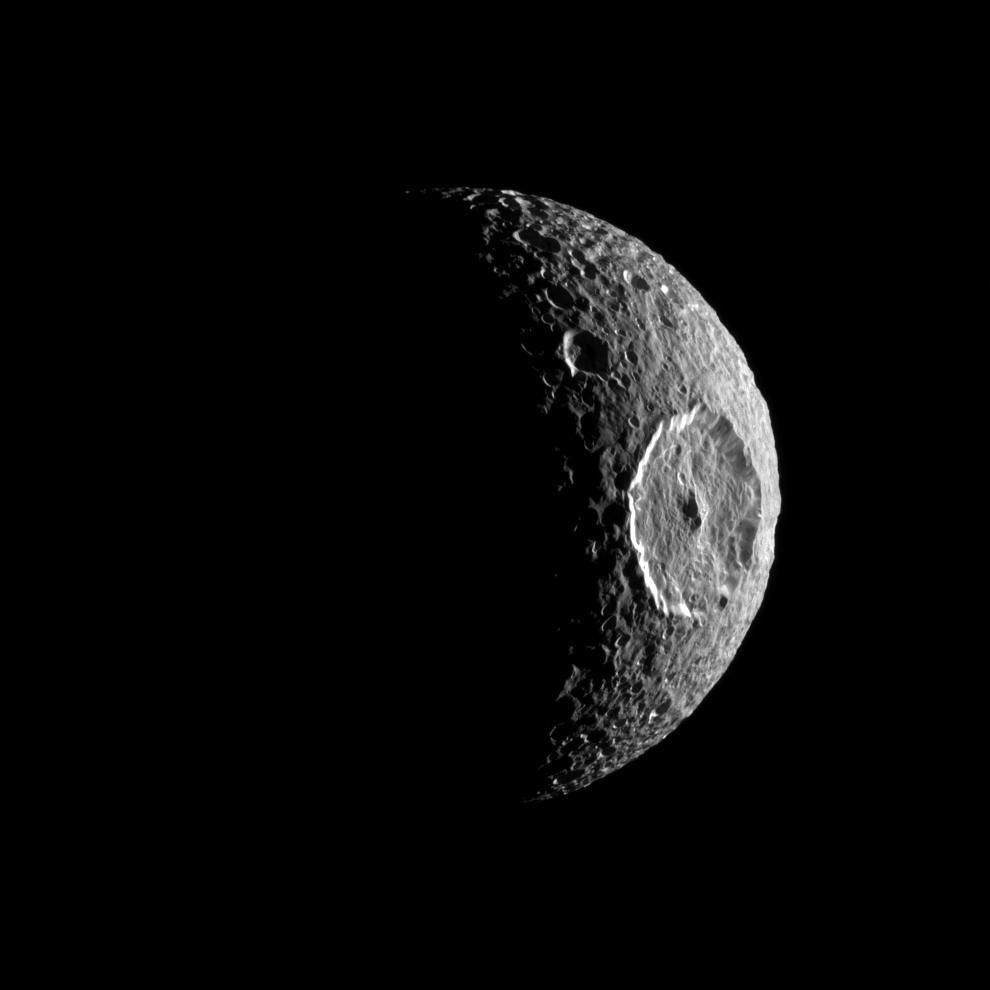
With 274 confirmed moons as of March of 2025, Saturn is the solar system planet with the most natural satellites. By 1789, though, only five had been spotted: Titan by Christiaan Huygens in 1655, and Iapetus, Rhea, Dione, and Tethys by Jean-Dominique Cassini between 1671 and 1684. William Herschel would add two more to that count, using his 40-foot reflector to discover Enceladus on Aug. 28, 1789, and Mimas on Sept. 17 of the same year. His son, John Herschel, later named both moons for the Titans of Greek mythology. For centuries, details about the moons were scant, as they were little more than specks in a telescope. Voyager 1 and 2 supplied more information in the 1980s, and the Cassini mission far more during its tour (2005-2015), helping us understand the contrasting worlds. Enceladus is highly geologically active, with a subsurface ocean and erupting geysers. While the heavily cratered and unchanging Mimas was long thought to be inactive, research published in 2024 suggests Mimas also may have a hidden ocean under its surface.