2026 Astronomy Magazine Astrophotography Contest
See the winners!
Skip to content
Astronomy Magazine logo
  • Login / Register
  • Logout
  • Shop
  • Subscribe

  • News
  • Science
    • Solar System
    • Exoplanets
    • Stars
    • Milky Way
    • Galaxies
    • Exotic Objects
    • Cosmology
  • Observing
    • In The Sky
    • Upcoming Events
    • The Sun
    • The Moon
    • Planets
    • Comets
    • Deep-Sky Objects
    • Observing Basics
    • Telescopes and Equipment
    • Astrophotography
    • Gear Guide
    • This Week in Astronomy
  • Space Exploration
    • What’s Launching This Week
    • Human Spaceflight
    • Robotic Spaceflight
  • The Magazine
  • Ask Astro
  • Star Products
  • Login / Register
  • Logout
  • Shop
  • Subscribe

Moons

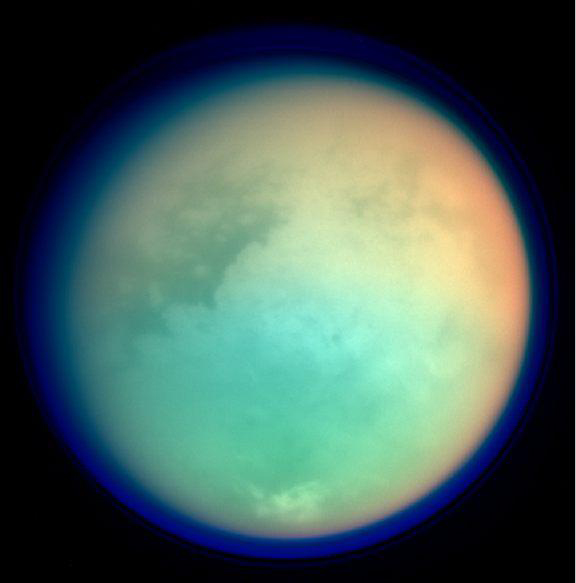
A full, spherical planetary body dominates the center against a solid black background. Its smooth surface displays a vibrant gradient of light green, pale yellow, and soft orange hues near the top right, surrounded by subtle cloudy patterns. A distinct, bright blue halo outlines the outer edge of the sphere, creating high contrast against the dark surroundings.
Today in the History of Astronomy

Oct. 26, 2004: Cassini at Titan

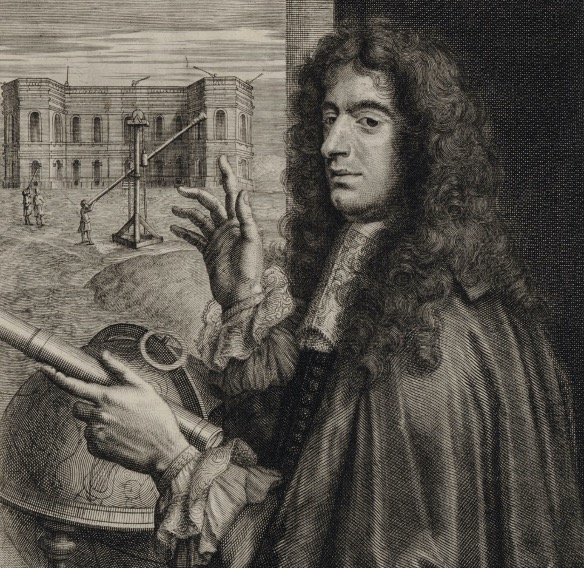
A man with long, curly dark hair is depicted from the waist up, facing left. He rests one hand on a large celestial globe while gesturing with his other hand toward an outdoor scene visible through a window behind him. The background shows a large stone building and several figures operating long telescopes on a grassy field, all rendered in detailed monochrome linework.
Today in the History of Astronomy

Oct. 25, 1671: Iapetus is discovered

What's Launching This Week

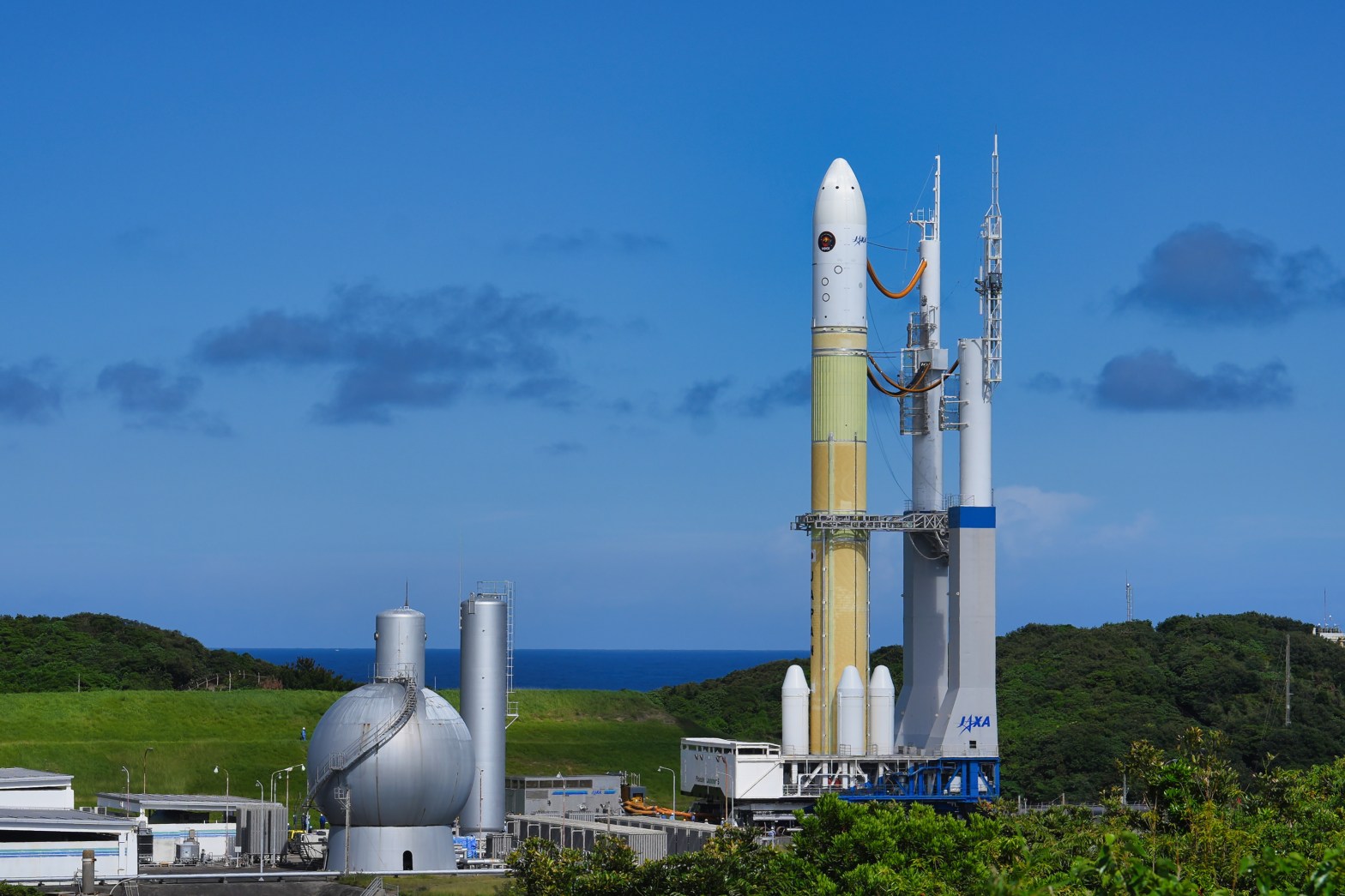
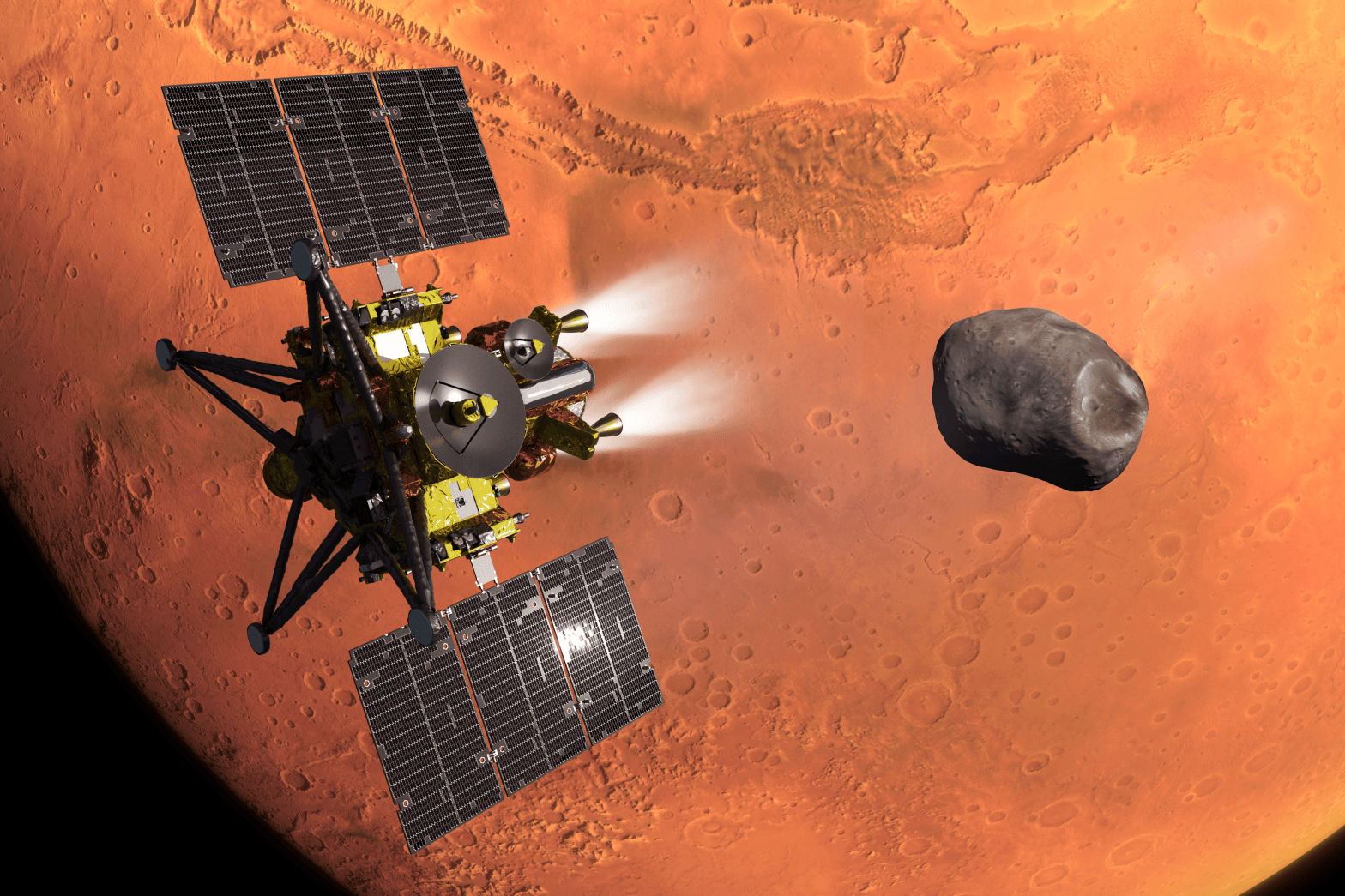
Japan sends MMX toward the martian moons

Robotic Spaceflight, Solar System

Japan launches sample return mission to Phobos

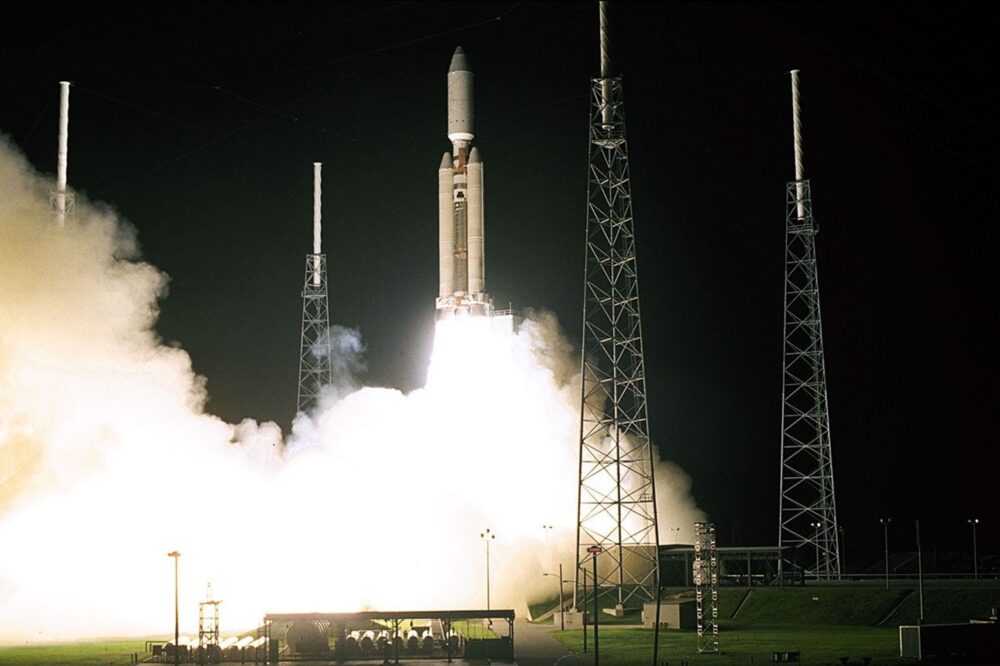
A tall, vertical rocket launches at night, its base surrounded by a massive, brightly glowing cloud of white smoke and intense yellow exhaust flames. The rocket is flanked by four tall, metal lattice lightning towers standing vertically against the solid black night sky. The brilliant white glare from the launch engines casts high-contrast light over the surrounding launchpad structures and ground.
Robotic Spaceflight, Today in the History of Astronomy

Oct. 15, 1997: Cassini-Huygens launches

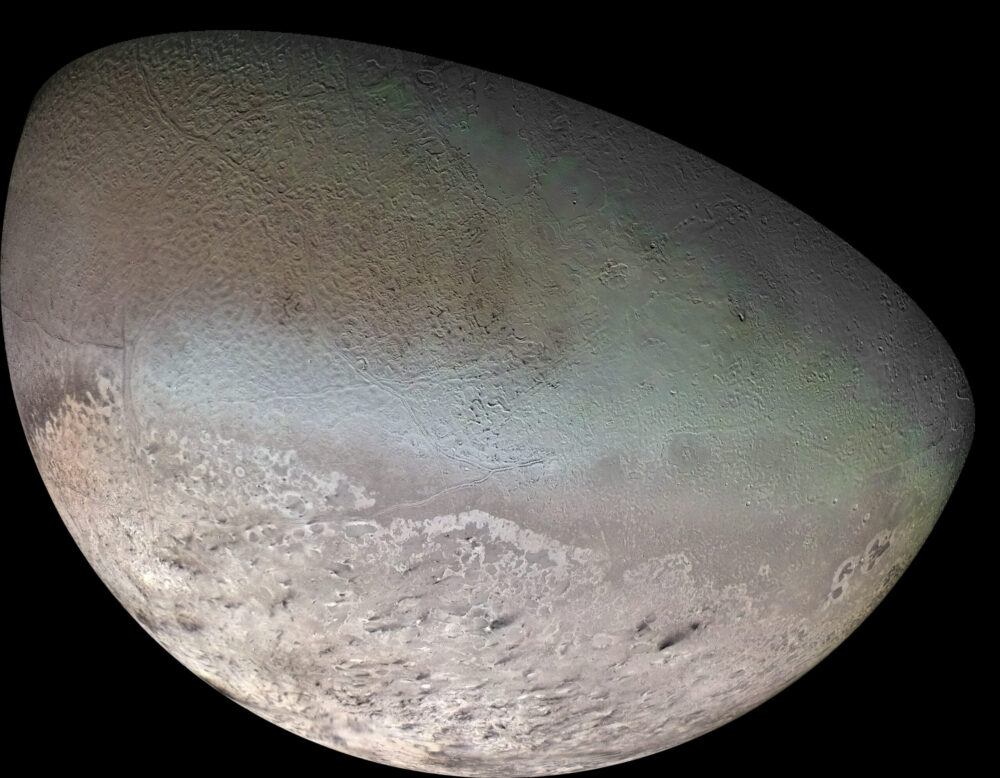
A crescent-shaped view of a planetary body fills most of the frame against a solid black background. The upper portion displays a subtle, greenish-blue textured surface covered in faint crisscrossing ridges and dimples, while the lower region transitions into a lighter, pale grey terrain marked by dark streaks and dimpled depressions. Soft, directional sunlight highlights the contrast between the smoother top area and the rugged, mottled lower polar region.
Today in the History of Astronomy

Oct. 10, 1846: The discovery of Triton

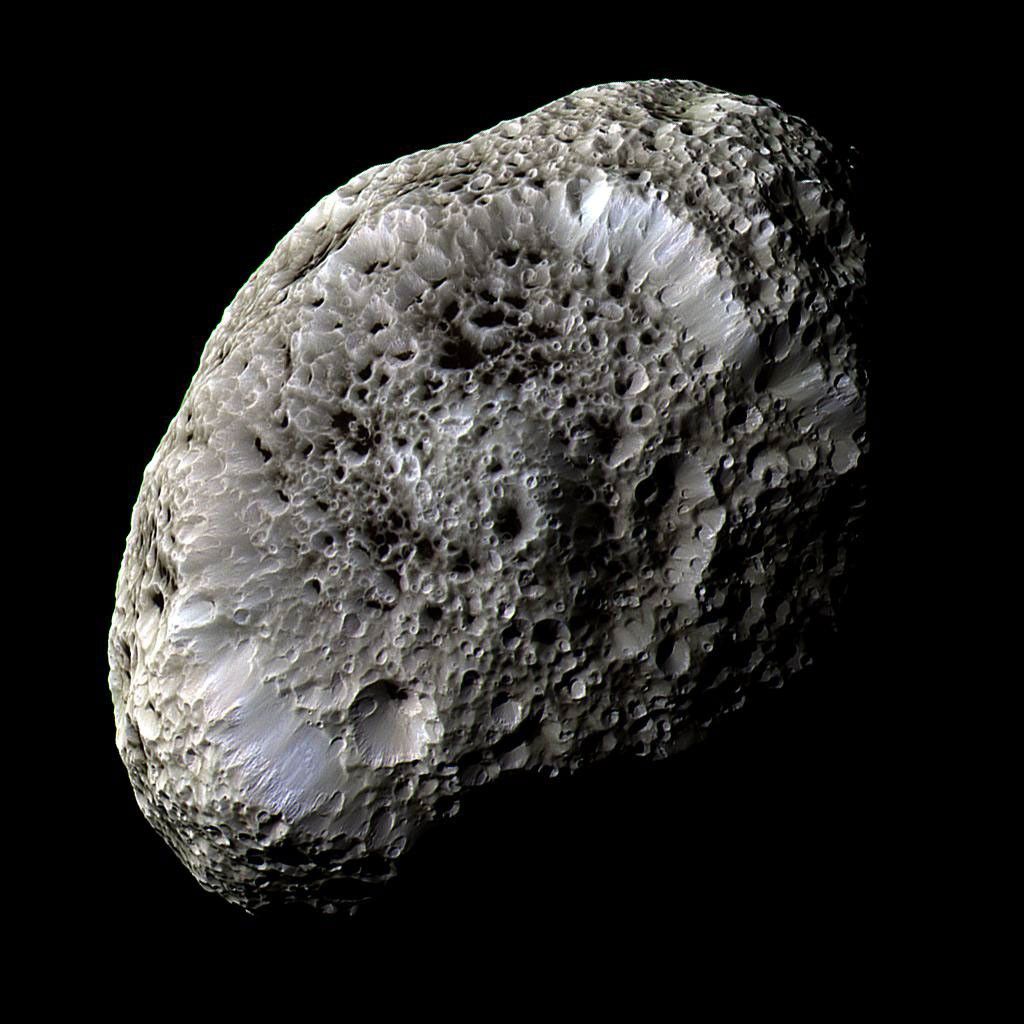
An irregularly shaped, sponge-like celestial body with a heavily pitted, crater-covered surface fills the center of the frame against a solid black space background. The pale grey and light-tan object features deep, honeycomb-like depressions and several prominent larger circular basins with bright, sunlit rims. Strong directional lighting casts crisp dark shadows inside the craters, emphasizing its rough, porous texture and sharp contrast against space.
Robotic Spaceflight, Today in the History of Astronomy

Sept. 26, 2005: Cassini visits Saturn’s weirdest moon

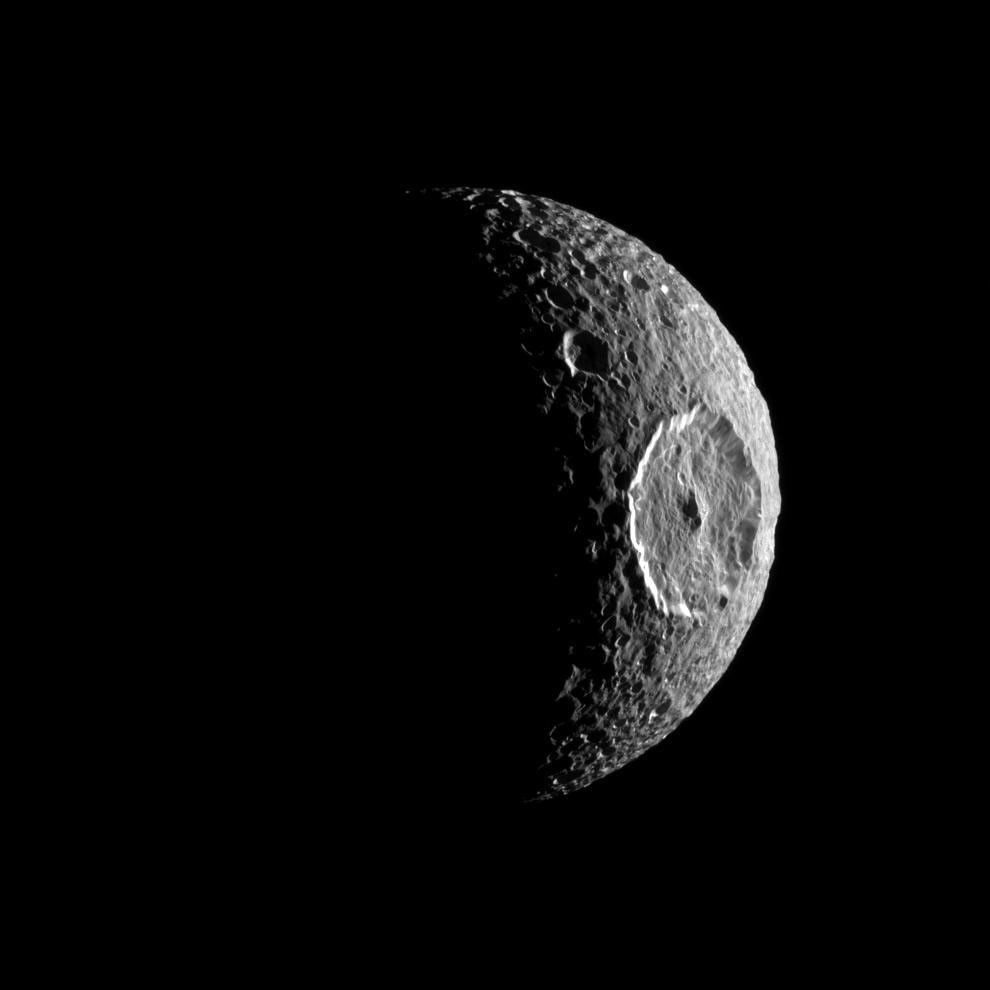
A black-and-white photograph shows a crescent moon-like body positioned on the right side of the frame against a solid black space background. Strong side lighting illuminates its heavily cratered grey surface, featuring a prominent, large circular crater with a bright raised rim near the center edge. The left half of the spherical body vanishes completely into deep shadow, creating high visual contrast.
Today in the History of Astronomy

Sept. 17, 1789: William Herschel discovers Mimas

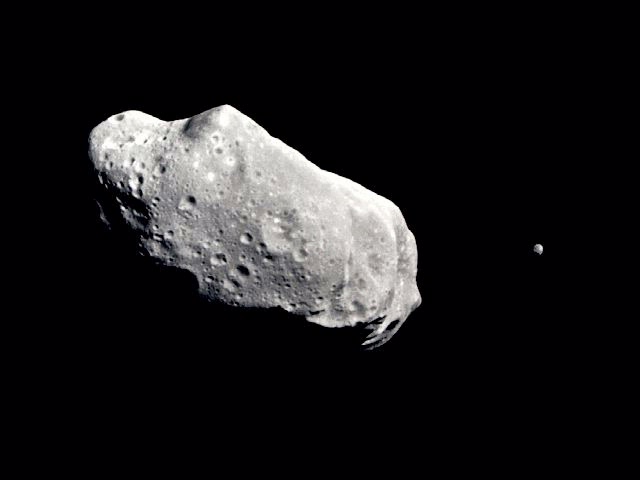
A monochrome photograph shows an elongated, heavily cratered grey asteroid floating in the left center of a solid black background. Bright, direct sunlight illuminates its pitted, irregular surface, while deep shadows cover its lower edge and back side. To the far right, a tiny, round grey object appears isolated against the dark space, echoing the texture of the larger main body.
Today in the History of Astronomy

Aug. 28, 1993: An asteroid harbors a surprise

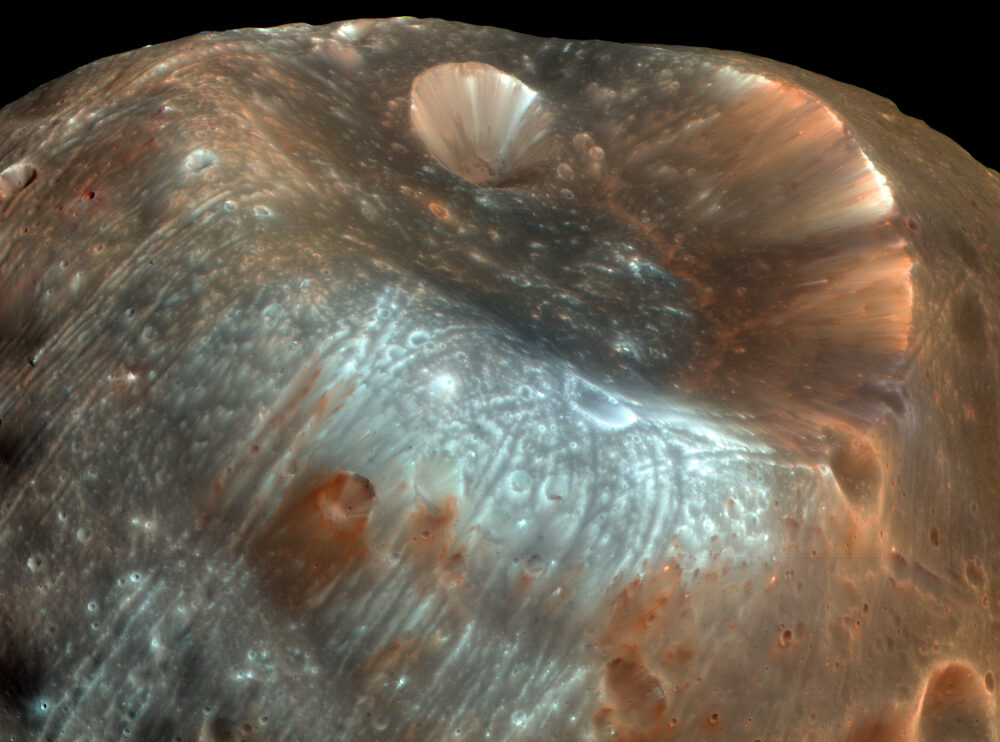
A close-up photograph shows the dusty, cratered surface of a moon filling most of the frame against a black space background. A bowl-shaped crater dominates the upper right, featuring steep walls lined with reddish-brown and pale tan streaks. A bright, pale blue-grey glow highlights the textured, grooved terrain surrounding smaller craters across the center and lower-left regions.
Today in the History of Astronomy

Aug. 17, 1877: Asaph Hall discovers Phobos

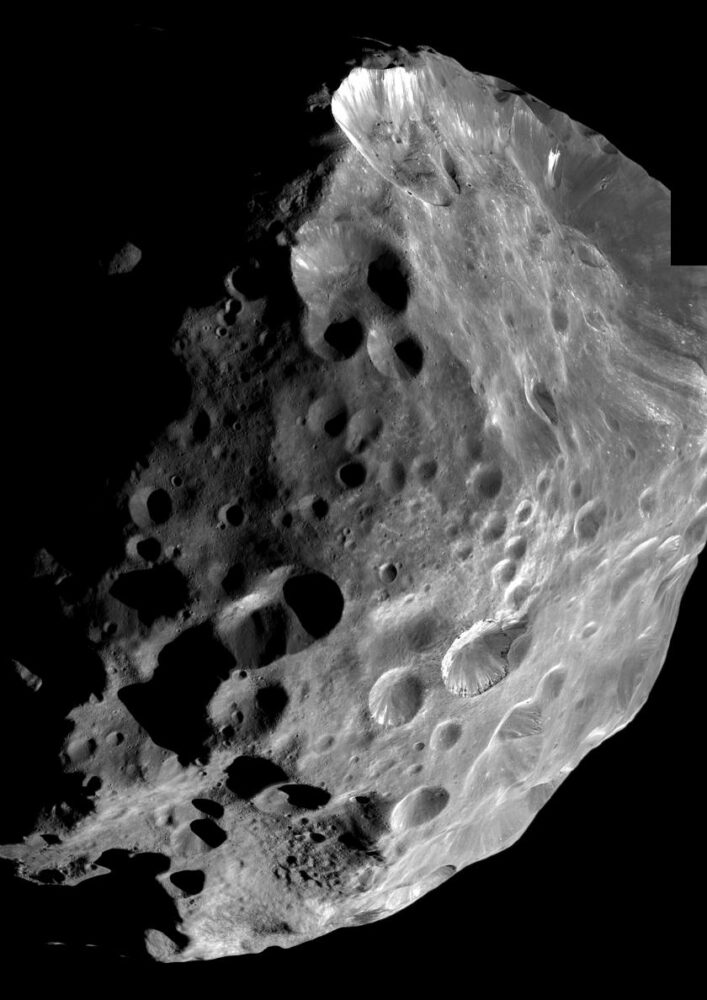
A close-up black-and-white image displays the heavily pockmarked, grey surface of a rocky moon set against a solid black background. Bright light from the upper right illuminates the terrain, casting deep black shadows inside dozens of circular craters and depressions. High contrast creates bright highlights along the right side while leaving the left side mostly in darkness.
Today in the History of Astronomy

Aug. 16, 1898: Phoebe makes an appearance

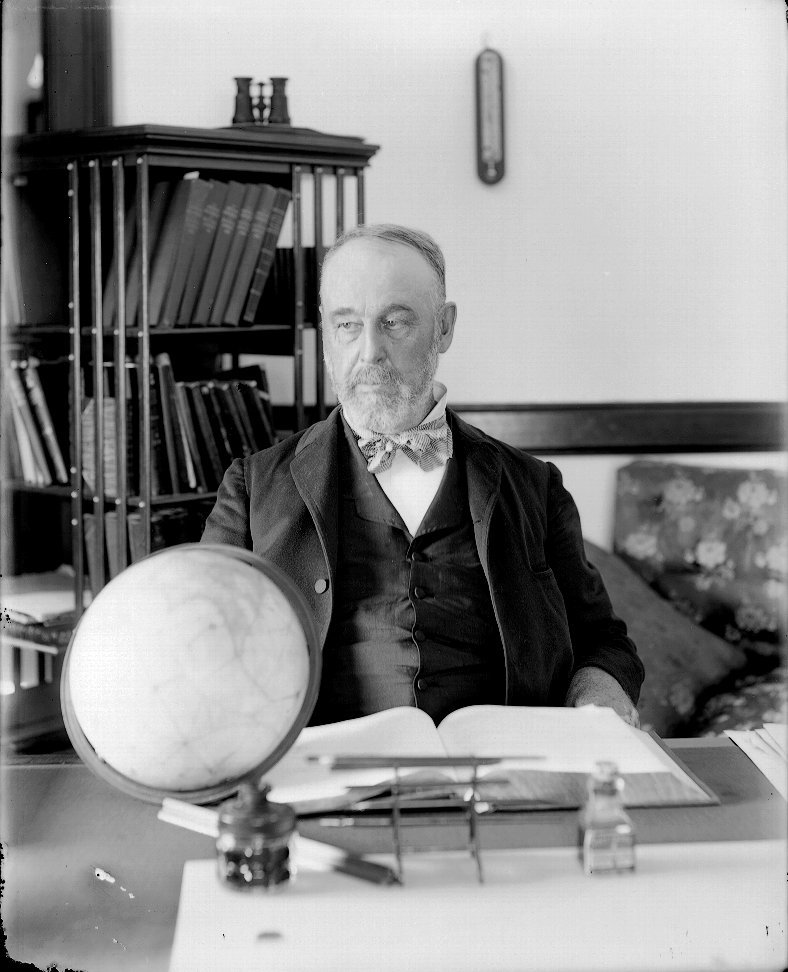
A black-and-white portrait shows a bearded man sitting at a dark wooden desk in the center of the frame, facing slightly to the left. On his desk in the foreground are an open book, a small globe, inkwells, and writing utensils. Behind him, a bookcase filled with books stands on the left, while a plain wall with a small thermometer and a floral-patterned sofa complete the background.
Today in the History of Astronomy

Aug. 11, 1877: Asaph Hall discovers Deimos

Posts pagination

1 2 3 … 15 Older posts

Astronomy Newsletter

Get newsletters, updates and special offers via email from Astronomy.com!

Please enter a valid email address.
Astronomy Magazine logo
  • Facebook
  • LinkedIn
  • YouTube
  • Instagram
  • Twitter
  • About Us
  • Contact Us
  • Subscribe
  • Customer Service
  • Advertising
  • Terms of Use
  • Privacy Policy
  • Do Not Sell

@ 2025 Firecrown Media. All Rights Reserved.

More Sites from Firecrown Media Publisher logo
Scroll to Top

Sign In

New User? Create an Account

Why Sign In? Subscribers can access their digital magazine issues, and registered users can participate in our Community forums and galleries.

Please enter your email.
Please enter your password.

Lost your password?

Manage My AccountCustomer Support