In the pursuit of space exploration, NASA has developed a number of innovations that today we depend on in our daily lives. Memory foam — the cushy, shock-absorbing material used in everything from furniture to medical equipment — was first invented in 1966 by NASA for use in test pilots’ cushions. In the 1990s, NASA’s Jet Propulsion Laboratory developed a new generation of digital image sensors so space missions could use smaller cameras; today, those sensors are integral to cameras and cellphones. And many other nifty innovations born out of space travel, like scratch-resistant lenses, CAT scanners, ear thermometers, and portable computers, are now ubiquitous technologies.
This space-to-ground pipeline will also be true of the Artemis program and NASA’s return to the Moon. Already, several technologies used and tested on the Artemis 2 mission are set to improve personalized medicine and clinical care, as well as provide faster communications around the globe.
Vital organs
Artemis 2 employed organ-on-a-chip technology to track the health of each astronaut before, during, and after the mission. In a project named AVATAR (A Virtual Astronaut Tissue Analog Response), bone marrow organ chips allowed researchers to look at the effects of radiation and microgravity on each astronaut’s cells and determine how they were impacted by space travel.
First developed by the Wyss Institute at Harvard University, organ chips are small devices about the size of a USB thumb drive that contain tiny channels (less than a millimeter wide) housing human cells. Small amounts of fluids are pumped through these channels to mimic the body’s circulation system. As a result, “organ chips behave and respond to stimuli very much like human organs,” says Donald E. Ingber, director of the Wyss Institute. This allows researchers to study how living tissues and organs react to external conditions, without invasive procedures.
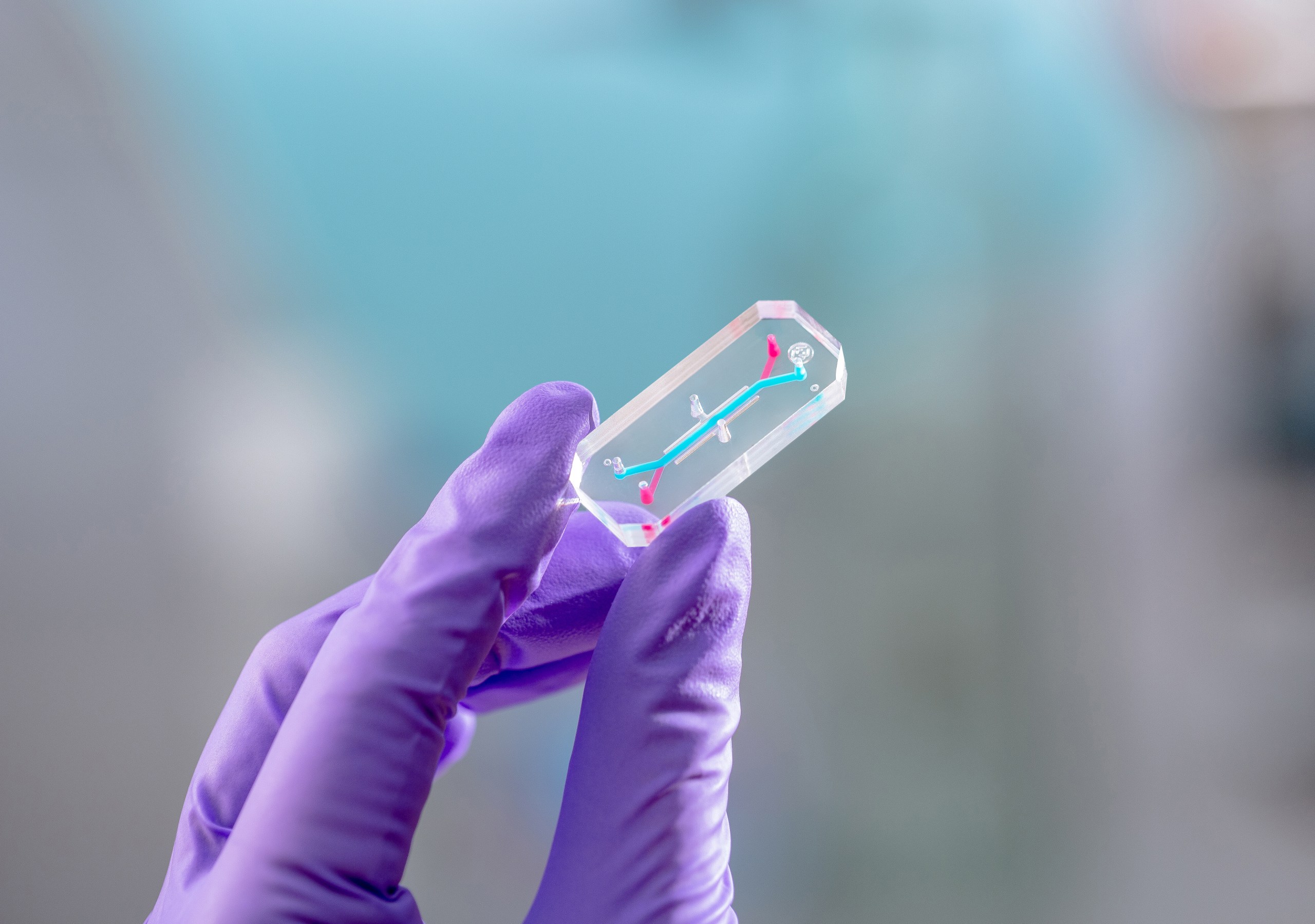
One of the biggest concerns about astronauts’ health during long-term space travel is their exposure to radiation in space. Bone marrow cells are an obvious choice for evaluating this because radiation affects blood cell production early on, says Ingber. Bone marrow is responsible for producing blood cells. It’s ideal for study because radiation exposure causes a decrease in bone marrow populations that impacts the formation of new blood cells; even sublethal amounts of radiation can cause cell damage to bone marrow tissue.
Researchers created two sets of chips containing bone marrow cells cultivated from blood drawn from each Artemis astronaut. One set flew aboard the Orion crew capsule, while a second set remained on Earth. This allowed scientists to see how space travel impacted the cells from each of the four astronauts differently. While blood draws from the astronauts can provide a snapshot before and after the mission, the organ chips provide a log of how the effects of deep-space radiation and microgravity progressed during the mission, down to the cellular level.
Such data could help researchers develop medical countermeasures like treatments for cellular damage. That will become essential as astronauts attempt to establish a sustainable human presence on the Moon and undertake even longer missions to Mars.
Developing these treatments could also benefit patients on Earth — cancer patients receiving lifesaving radiation treatments, for instance, or victims of a nuclear disaster. “AVATAR is the first of its kind to be able to draw an individual-level conclusion tied to radiation exposure, and it’s a powerful tool for helping us to build out personalized medicine here on Earth,” says Lisa Carnell, division director for NASA’s Biological and Physical Sciences Division.
Saliva samples
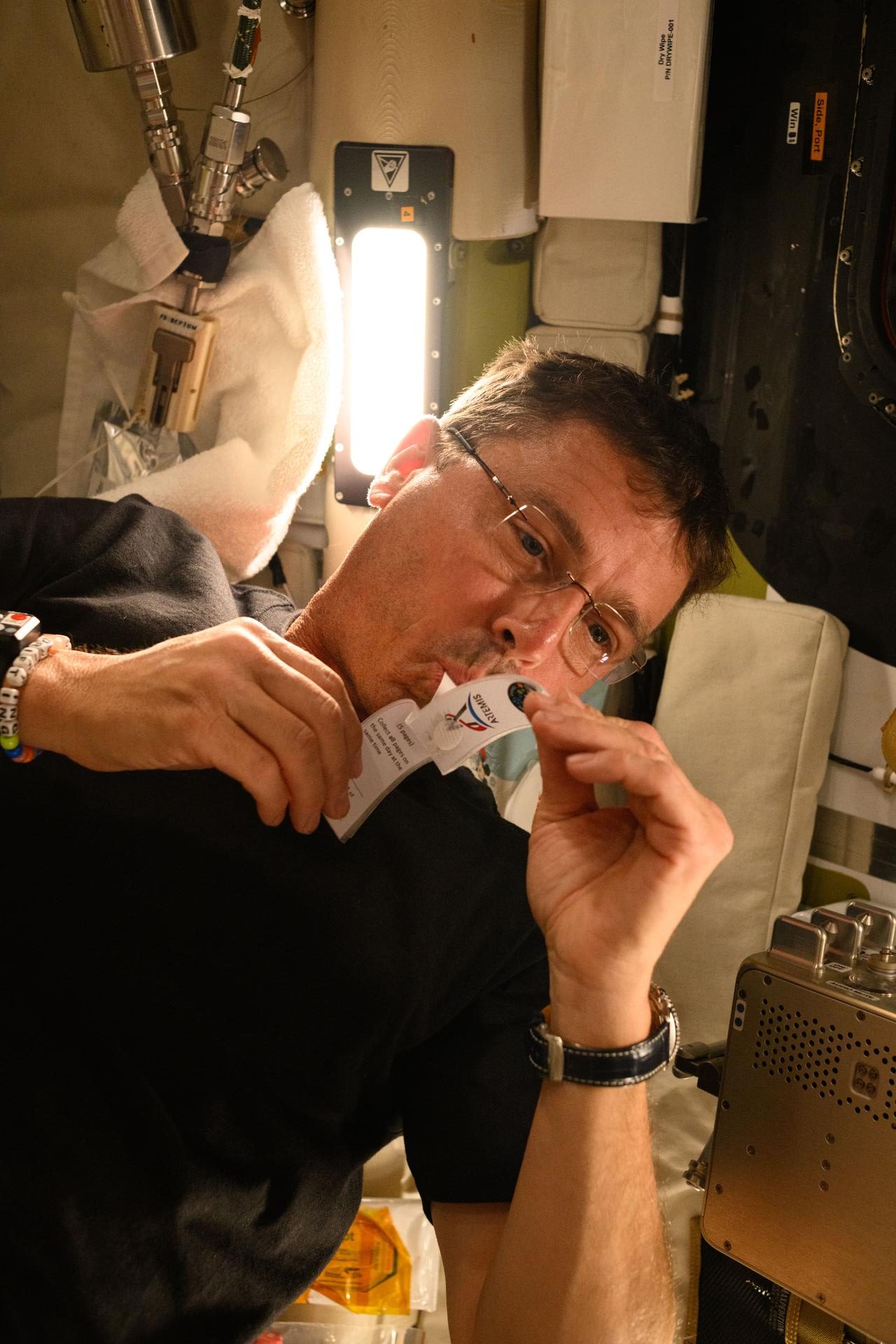
In space, taking blood samples isn’t always an option — they need cold storage, and the Orion crew capsule used on Artemis missions doesn’t have a refrigerator. So NASA often turns to an alternative: astronauts’ spit. “Most of the things that you would look at in blood can be looked at in saliva, which is just a purified distillate of blood plasma,” says Brian Crucian, an immunologist for NASA.
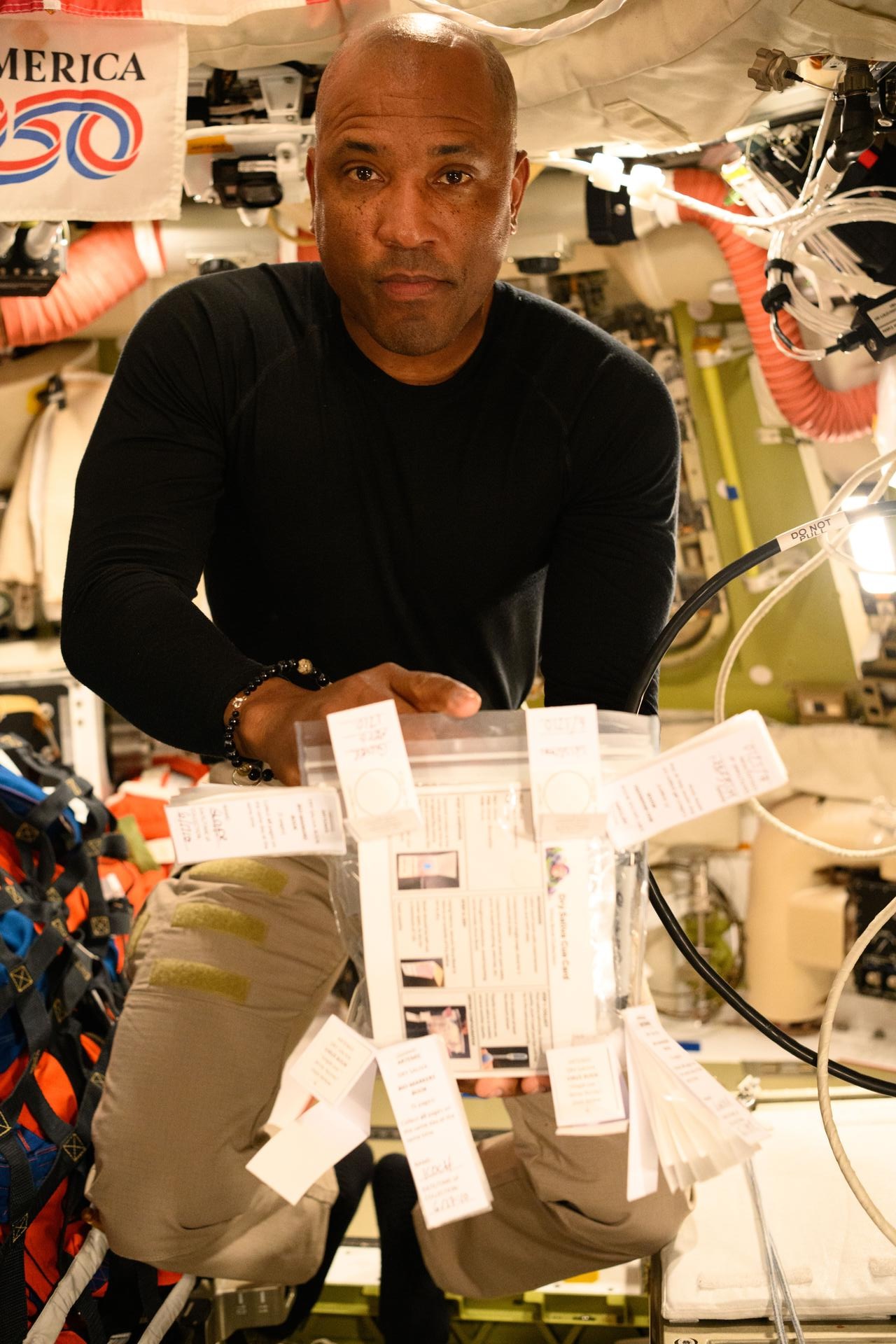
The crew of Artemis 2 made use of dry saliva books, a simple yet innovative tool developed by NASA. Astronauts simply smear their saliva on strips and leave them to dry. Back on Earth, the strips are checked for various biomarkers — signs that point to specific conditions or events in the body. The strips previously have been used on the International Space Station (ISS) to record cortisol levels and evaluate stress and circadian rhythms in astronauts. For Artemis 2, scientists were able to add detection for biomarkers that would help them better understand the effects of microgravity on bone health, as well as markers for inflammation.
Saliva biomarkers are helping scientists understand how to maintain astronaut health in deep space over long periods of time. Such samples have already shown that space travel suppresses astronauts’ immune systems, allowing dormant viruses like shingles to reemerge. Understanding these and other changes is crucial to keeping astronauts healthy on longer missions.
There are also a lot of potential applications on Earth for saliva books, says Crucian. The technology could be used in any situation where doctors don’t have the ability to collect, process, and store liquid samples. In developing countries or in field situations where refrigeration or taking blood samples might not be an option, there’s a need for this practical yet cutting-edge technology.
Laser communication
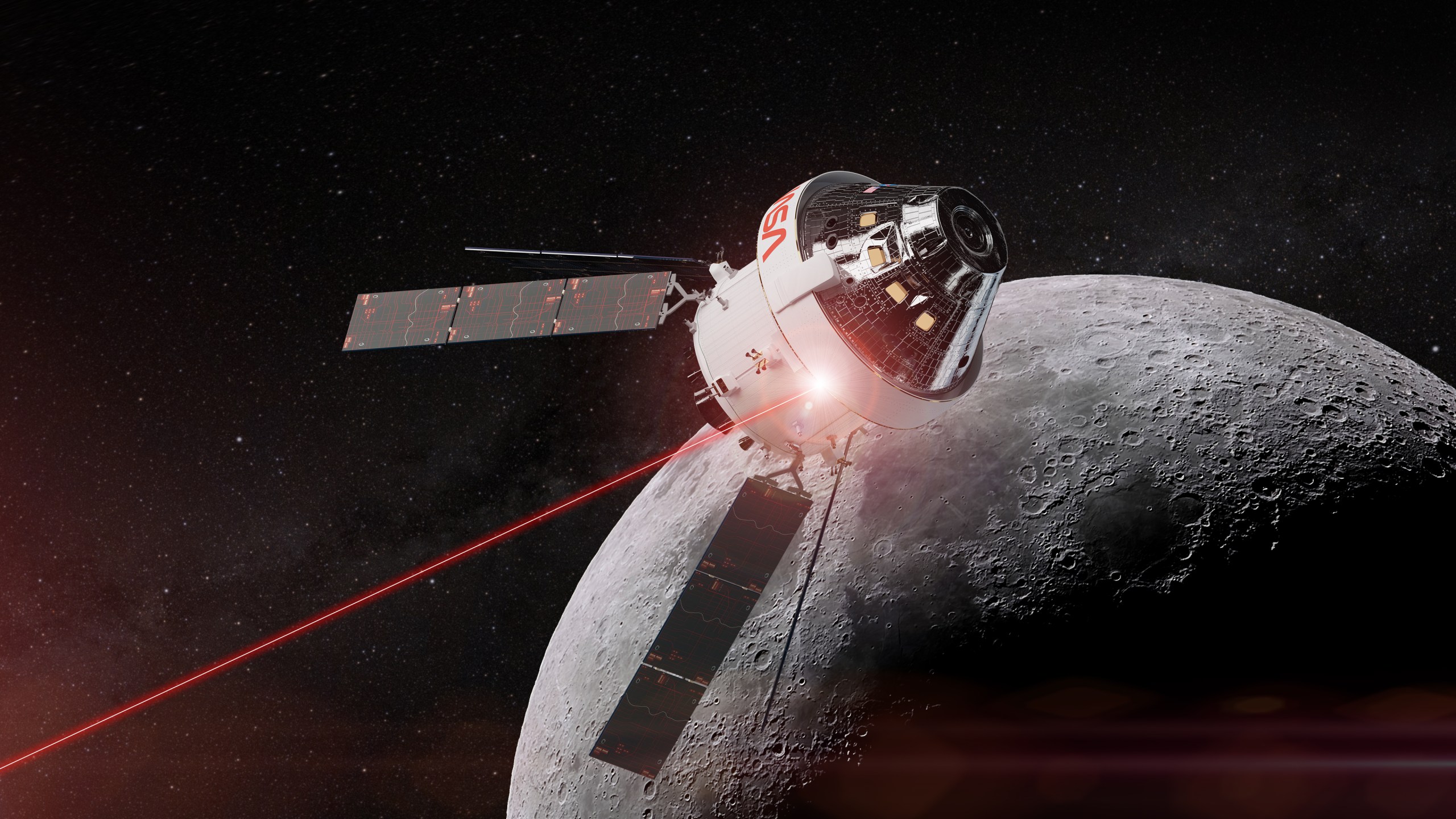
While maintaining astronaut health aboard long space flights is paramount, sending pictures home to keep the citizens of Earth engaged is also crucial. During Artemis 2, NASA’s Space Communications and Navigation (SCaN) Program, which operates all communication between Earth and NASA space missions, used lasers to transmit high volumes of data at broadband speeds. Laser-based communication has already been tested on satellites, robotic spacecraft, and the ISS, but Artemis 2 was its first test on a crewed deep-space mission.
Optical light is just one small portion of the larger electromagnetic spectrum, which runs from radio waves at the lowest frequencies to gamma rays at the highest. In the past, most communication aboard crewed spacecraft used microwave radio frequency (RF) communications, a technology proliferated by Western Union in 1945. This is the same way cellphones work, using radio waves and microwaves to transmit data and voice without wires.
Artemis 2 carried two communication systems: a traditional RF system and a laser system, called the Orion Artemis II Optical Communications System (O2O). Lasers transmit data in the optical portion of the spectrum. While microwaves have wavelengths of centimeters, the wavelengths of optical light are measured in hundreds of nanometers. Optical light’s shorter wavelength (and thus, higher frequency) means more waves can fit between the sender and the receiver, ultimately increasing data transmission speed. Essentially, higher-frequency light means more megabits per second (Mbps) of data can be sent. Using O2O, Artemis 2 was able to send communications from the Moon back to Earth at a whopping 260 Mbps, compared with the RF system’s single-digit Mbps capabilities.
“This new communication allows you to push a lot more data through a system of similar size and power,” says Greg Heckler, deputy program manager for capability development for NASA’s Space Communications and Navigation Program.
Laser communication is also used by SpaceX’s Starlink internet satellites, allowing them to communicate with each other at speeds of up to 200 gigabits per second (Gbps). And while cellphones currently use RF communications, they’re starting to utilize laser communications as well for future high-speed data transmission, says Heckler.
Such communications advances, like the medical technologies and many other innovations developed for or integrated into Artemis 2, weren’t just about making the mission more successful — their impact will be felt on Earth, too.
Sara Novak is a science journalist based in South Carolina whose work is regularly published in The New York Times, Scientific American, National Geographic, Discover, and many others.