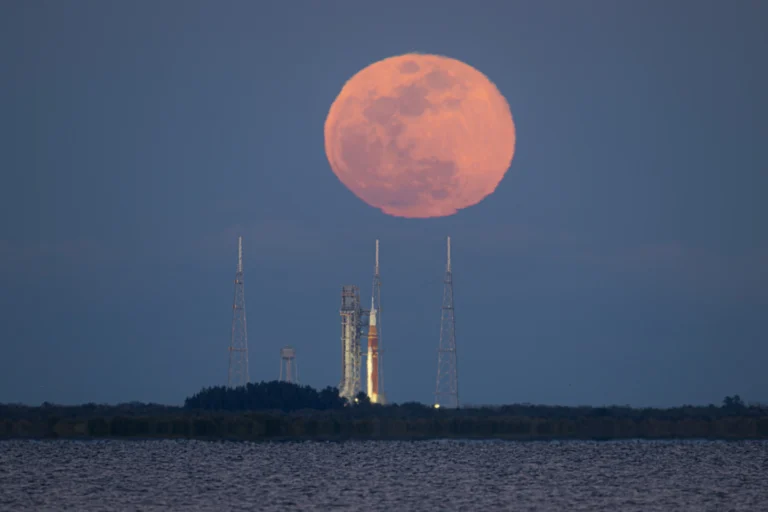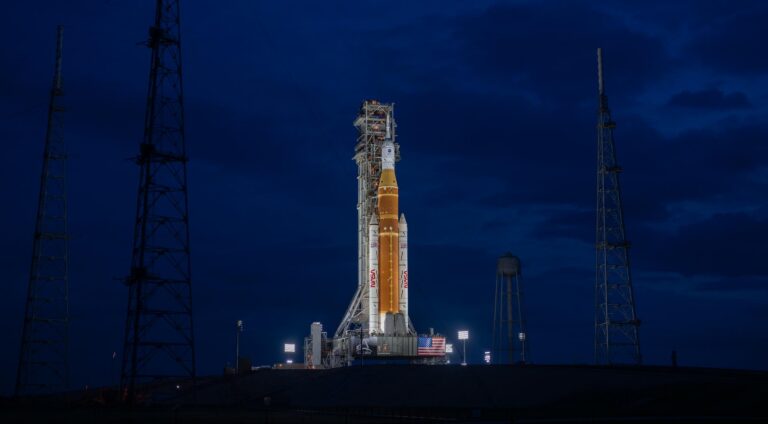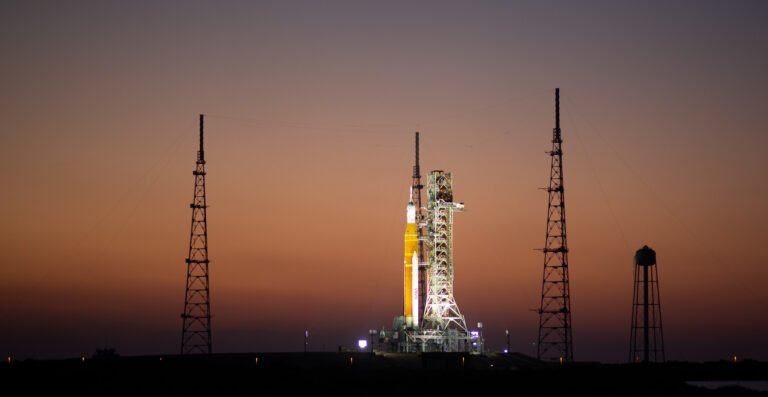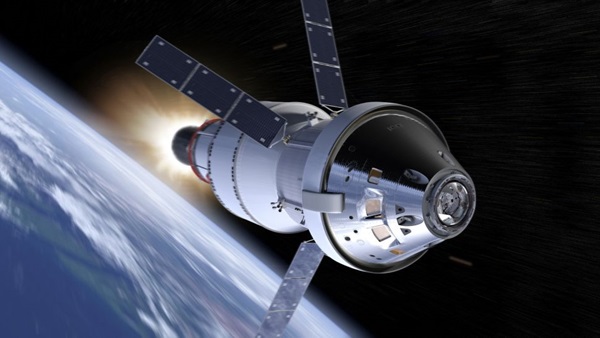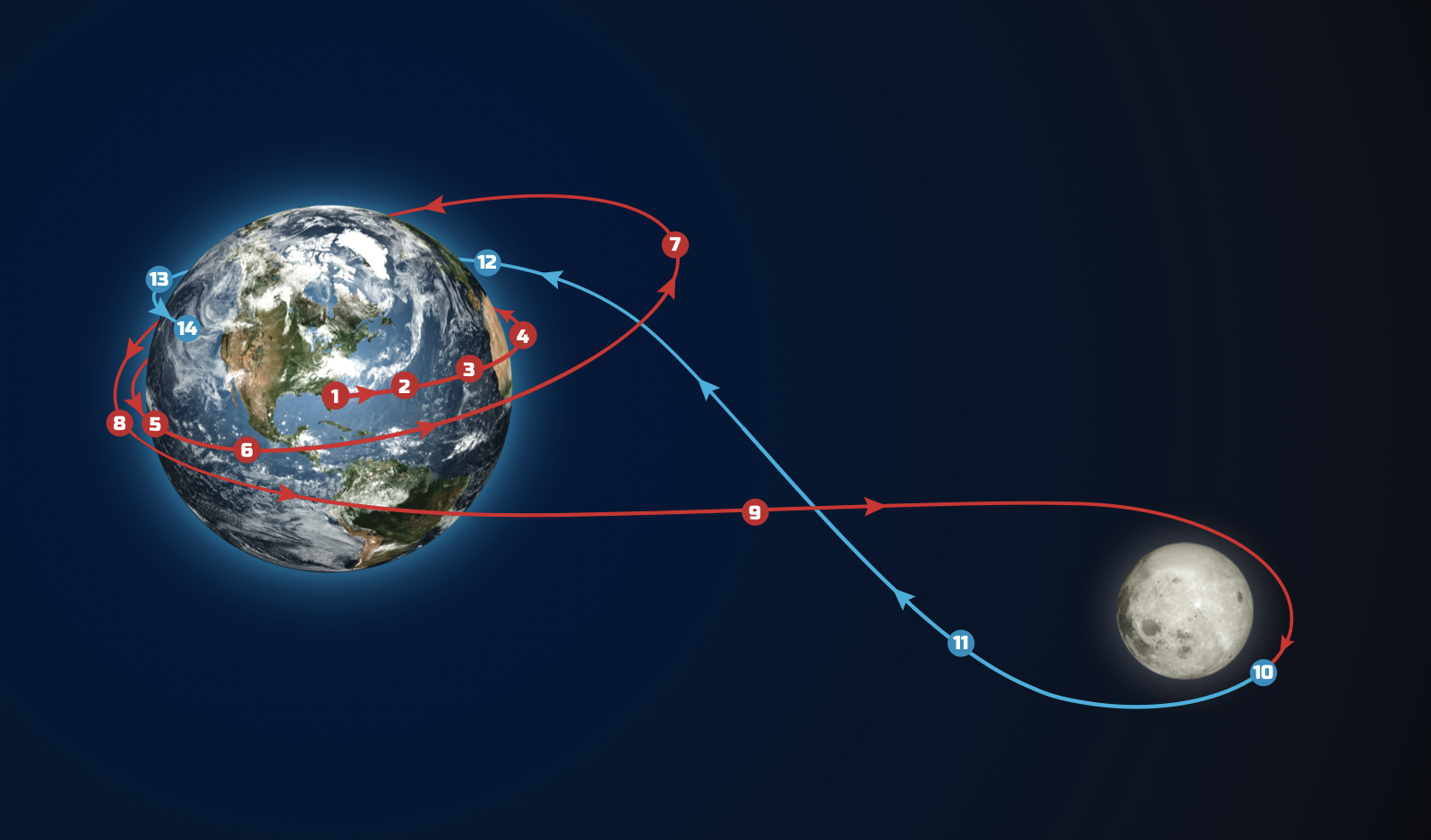
Artemis 2 will use the SLS to send a crew of four aboard an Orion spacecraft on a 10-day mission looping within 4,600 miles (7,400 km) of the Moon.
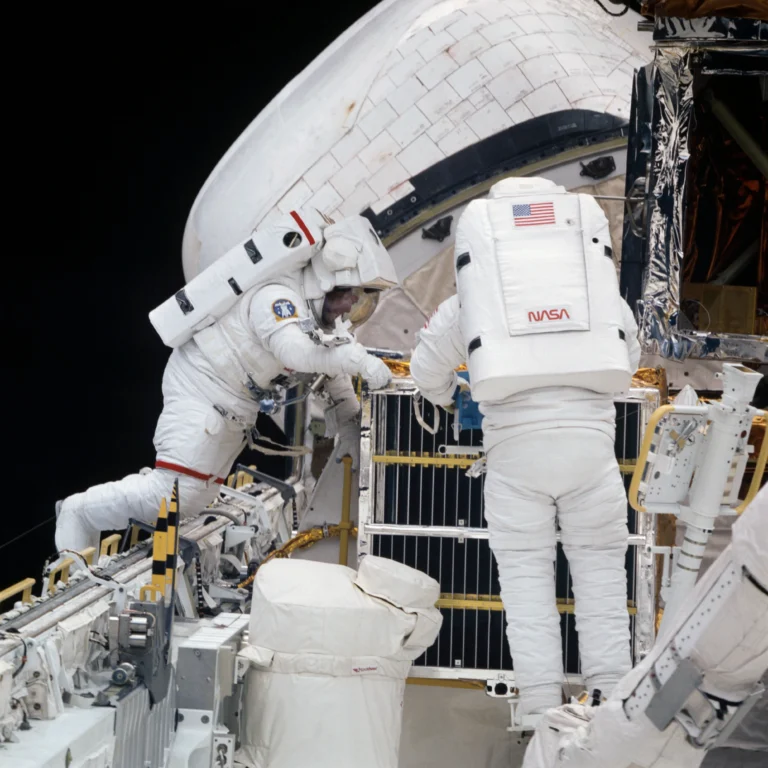
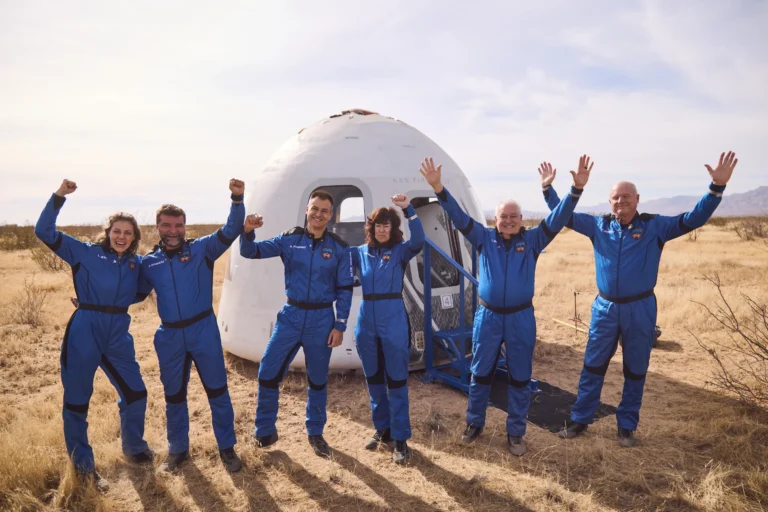
The crew consists of Commander Reid Wiseman, Pilot Victor Glover, and mission specialists Christina Koch and Canadian astronaut Jeremy Hansen. Koch will be the first woman to travel to the Moon, and Hansen will be the first non-American to make the journey. The quartet have spent a total of 660 days in space on long-duration missions to the International Space Station and have 12 spacewalks between them.
Before departing for the Moon, Artemis 2 will enter a high-altitude 24-hour Earth orbit to check out the Orion spacecraft systems. After separating from the SLS upper stage, the crew will take manual control, turn Orion around, and approach the upper stage in a simulated docking to see how the craft handles in close quarters. Then Orion will turn around and light its Service Module engine, setting off for the Moon.
Artemis 2 flight path
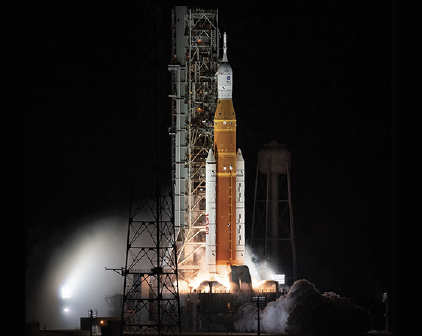
01. Launch
Launch from Kennedy Space Center, Florida.
Credit: NASA
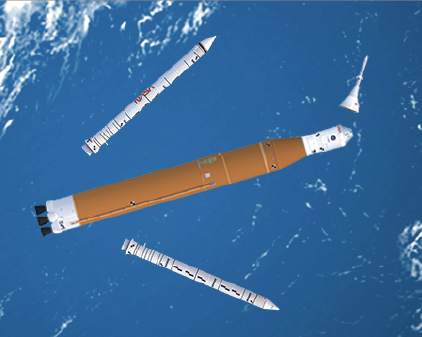
02. Ascent Jettison
Solid rocket boosters, fairings, and launch abort system jettisoned.
Credit: Astronomy: Roen Kelly, after NASA
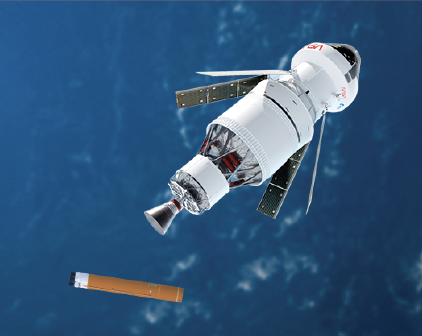
03. Core Stage Separation
Core stage main-engine cutoff and separation.
Credit: Astronomy: Roen Kelly, after ESA and NASA
04. Perigee Raise
Perigee raise burn to low Earth orbit.
05. Apogee Raise
Apogee raise burn to high Earth orbit.
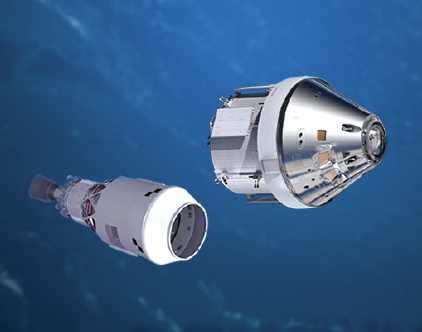
06. ICPS Separation
Orion separates from ICPS and performs proximity operations demo.
Credit: Astronomy: Roen Kelly, after ESA and NASA
07. Orbital Correction
Perigee raise burn.
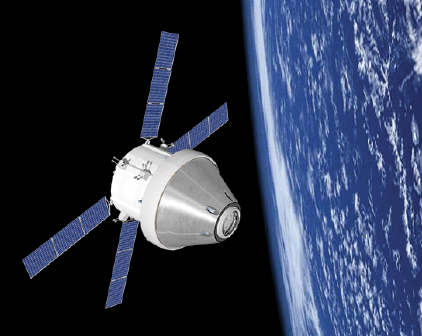
08. Trans-Lunar Injection
Trans-lunar injection burn.
Credit: Astronomy: Roen Kelly
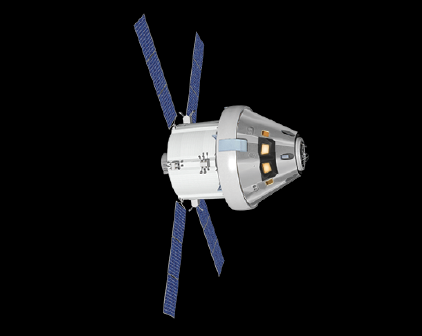
09. Outbound Journey
Four-day trip to the Moon on a free return trajectory.
Credit: Astronomy: Roen Kelly
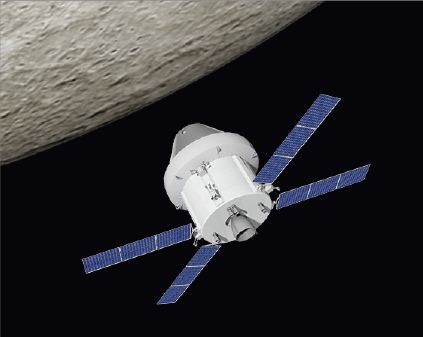
10. Lunar Flyby
Lunar flyby 6,479 miles (10,427 km) above surface.
Credit: Astronomy: Roen Kelly
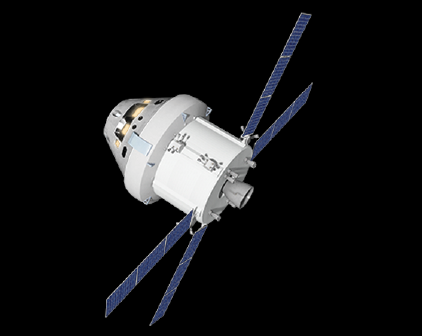
11. Return Trip
Four-day return trip to Earth.
Credit: Astronomy: Roen Kelly
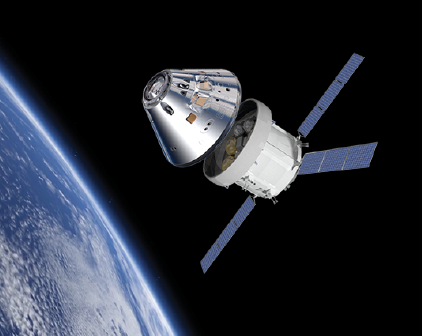
12. Spacecraft Separation
Crew Module separates from Service Module.
Credit: Astronomy: Roen Kelly, after NASA
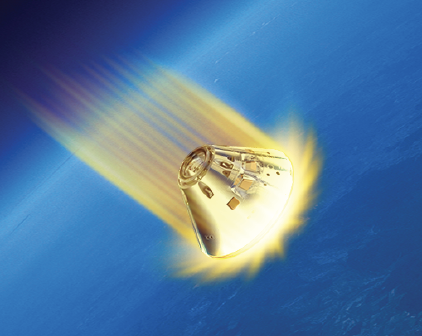
13. Reentry
Crew Module reenters atmosphere.
Credit: Astronomy: Roen Kelly, after NASA
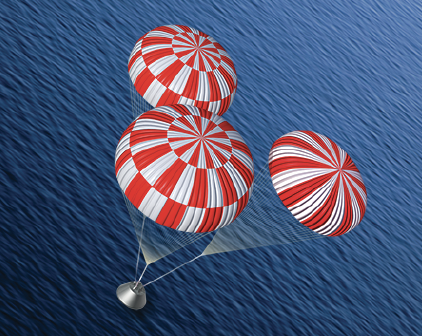
14. Recovery
Splashdown in the Pacific Ocean.
Credit: Astronomy: Roen Kelly
This story is an excerpt from Artemis Explained, which appeared in the January 2025 issue of Astronomy.