2026 Astronomy Magazine Astrophotography Contest
See the winners!
Skip to content
Astronomy Magazine logo
  • Login / Register
  • Logout
  • Shop
  • Subscribe

  • News
  • Science
    • Solar System
    • Exoplanets
    • Stars
    • Milky Way
    • Galaxies
    • Exotic Objects
    • Cosmology
  • Observing
    • In The Sky
    • Upcoming Events
    • The Sun
    • The Moon
    • Planets
    • Comets
    • Deep-Sky Objects
    • Observing Basics
    • Telescopes and Equipment
    • Astrophotography
    • Gear Guide
    • This Week in Astronomy
  • Space Exploration
    • What’s Launching This Week
    • Human Spaceflight
    • Robotic Spaceflight
  • The Magazine
  • Ask Astro
  • Star Products
  • Login / Register
  • Logout
  • Shop
  • Subscribe

The Real Reality Show: Have Astronomers Discovered Other Earths?

Let's take a look at the kinds of exoplanets scientists have actually found so far.
By Astronomy Staff | Published: August 17, 2015 | Last updated on May 18, 2023

Find all the latest exoplanet info in our News section

Up Next

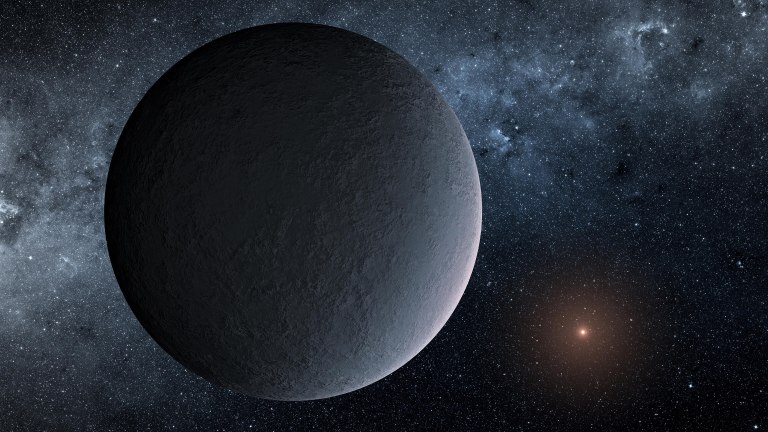
  • Illustration depicting a dark, rocky planet filling most of the frame, its surface shadowed on the left and faintly lit along the right edge. A small reddish star glows at lower right, set against a starry background streaked with faint blue nebulosity.
    Cosmology, Exoplanets, Science

    What can we learn from gravitational lensing?

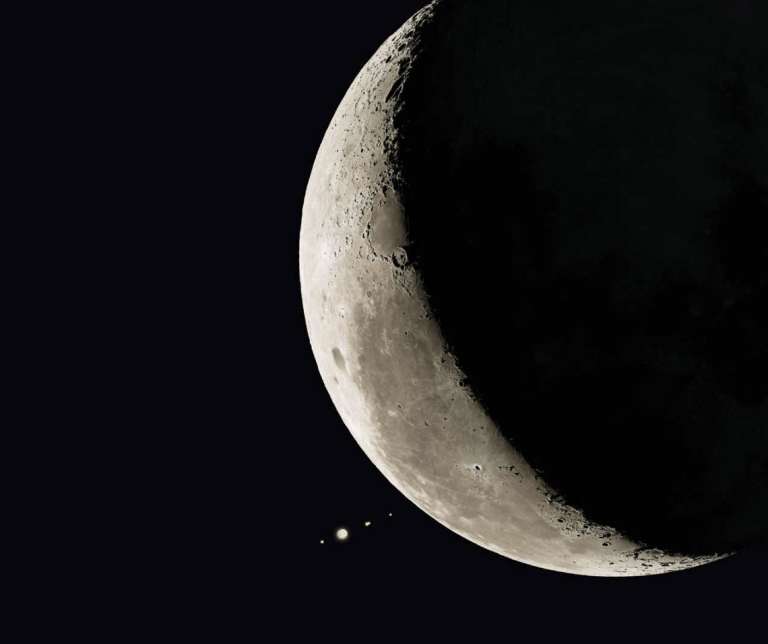
  • A photoillustration of a thick crescent Moon against a black sky, filling the right side of the frame. The sunlit crescent curves along the left edge, showing gray maria and many craters, and the rest of the Moon's disk is in shadow. Just off the Moon's lower-left limb sits Jupiter, a small tan disk with visible cloud bands, lined up with its four Galilean moons as tiny points of light: from left to right, Ganymede, Jupiter, Io, Callisto, and Europa. The scene shows the jovian system a few minutes before the Moon occults it. Empty black space fills the left side of the image.
    Observing, Planets, The Moon, Upcoming Events

    See the Moon occult Jupiter October 6

  • Exoplanets

    Have astronomers discovered the first moon outside of our solar system?

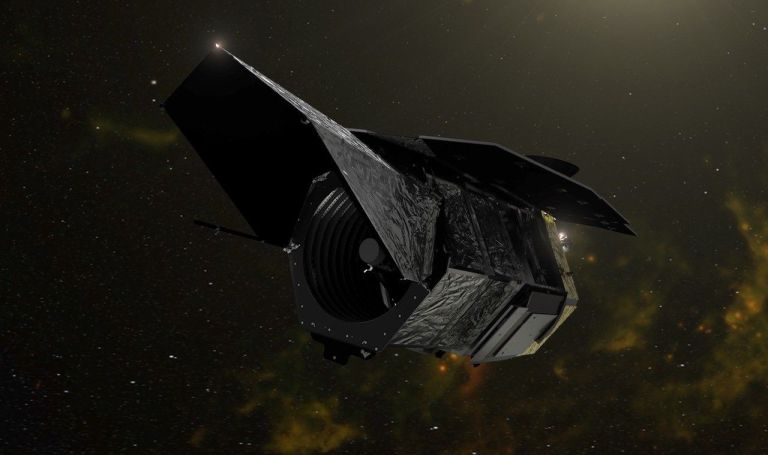
  • An artist's illustration of the Nancy Grace Roman Space Telescope floating in space against a starry background with a faint golden-green nebula glow. The boxy, dark-colored spacecraft is shown at an angle, with its sunshield panels extended and its primary mirror aperture visible at the front.
    Exoplanets

    Could aliens spot Earth with the same planet-hunting techniques we use?

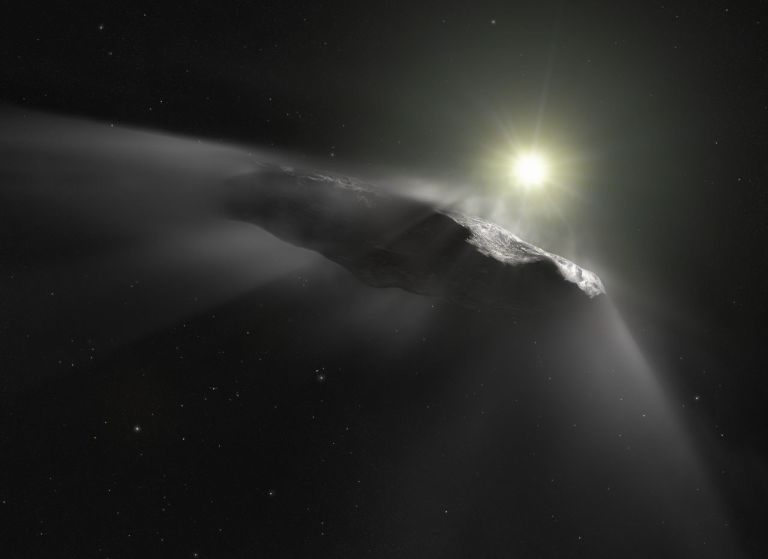
  • An artist's illustration of 'Oumuamua, the first known interstellar object detected passing through the solar system, depicted as a long, thin, reddish-brown elongated rock tumbling through space near a bright glowing sun. A diffuse dust or gas trail streams behind it, and the starry black background of deep space surrounds the scene.
    Exoplanets

    Why aren’t free-floating planets captured when they fly past stars?

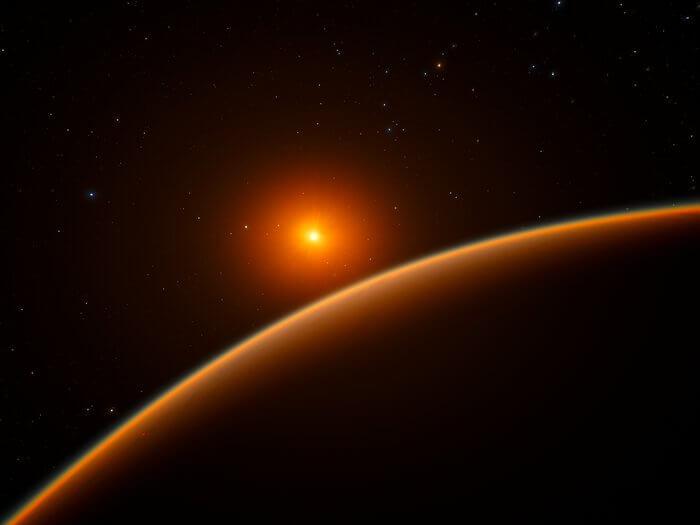
  • A dark, curved planet with a warm orange-brown atmospheric glow fills the lower right of the frame, its horizon lit by a small, bright orange star glowing near the center of the image. The black background is scattered with faint white stars, with a soft orange haze surrounding the star.
    Exoplanets

    Astronomers just found the first atmosphere on a rocky exoplanet in the habitable zone

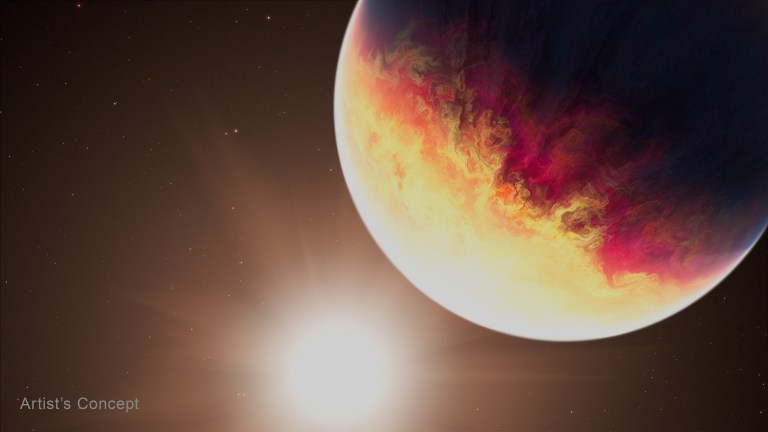
  • A large planet occupies the upper right of the frame, its surface swirling with bright orange, yellow, and deep red clouds on its sunlit side, fading to dark blue-black on its shadowed edge. Below and to the left, a bright white glow from a nearby star washes out part of the lower frame, set against a dark brown sky scattered with faint stars.
    Exoplanets

    JWST reveals Roasted Planet’s extreme heat

  • Exoplanets, Stars

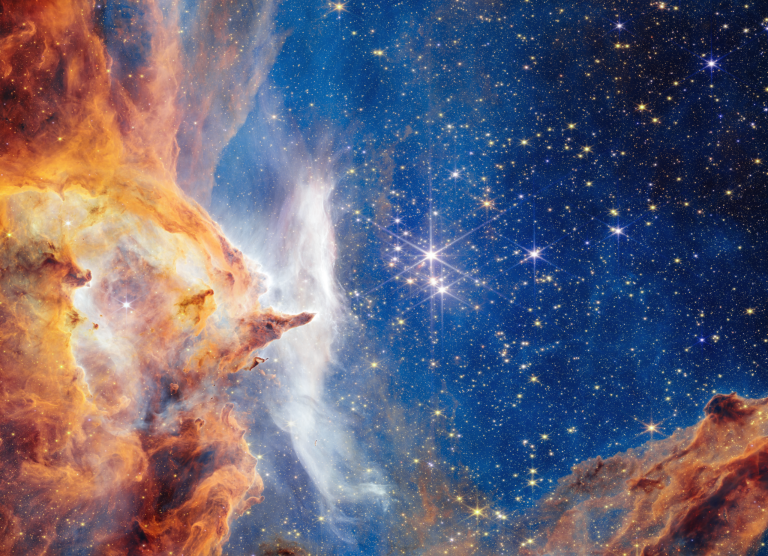
    JWST uncovers the Lobster Nebula’s firestorm of starbirth

  • Exoplanets, Stars

    JWST reveals how dust becomes planets

Astronomy Newsletter

Get newsletters, updates and special offers via email from Astronomy.com!

Please enter a valid email address.

Astronomy magazine: 50 years and counting

Astronomy leads the astronomy hobby as the most popular magazine of its kind in the world. Get information about subscriptions, digital editions, renewals, advertising and much, much more.

Count me in

FREE DOWNLOAD

All About the Apollo Mission

Get it now
Astronomy Magazine logo
  • Facebook
  • LinkedIn
  • YouTube
  • Instagram
  • Twitter
  • About Us
  • Contact Us
  • Subscribe
  • Customer Service
  • Advertising
  • Terms of Use
  • Privacy Policy
  • Do Not Sell

@ 2025 Firecrown Media. All Rights Reserved.

More Sites from Firecrown Media Publisher logo
Scroll to Top

Sign In

New User? Create an Account

Why Sign In? Subscribers can access their digital magazine issues, and registered users can participate in our Community forums and galleries.

Please enter your email.
Please enter your password.

Lost your password?

Manage My AccountCustomer Support