Key Takeaways:
- The celestial sphere is bisected by the celestial equator.
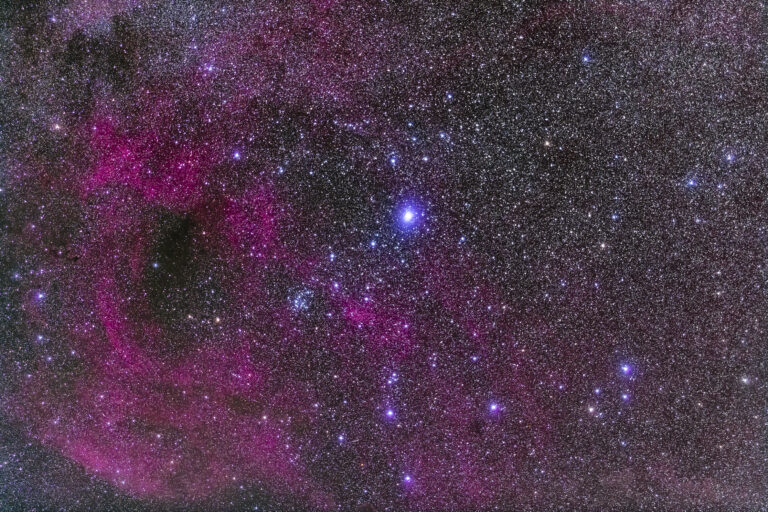
- Sigma Octantis occupies a position analogous to Polaris in the southern celestial hemisphere.
- Sigma Octantis' low luminosity renders it unsuitable as a practical navigational aid.
- Unlike Polaris, Sigma Octantis' dimness prevents its widespread use as a celestial reference point.

The celestial sphere is divided by the celestial equator.
Solely based on its position, Sigma Octantis could be considered the “South Star,” but, unlike Polaris, it is too dim to be a convenient celestial reference point for stargazers and navigators.