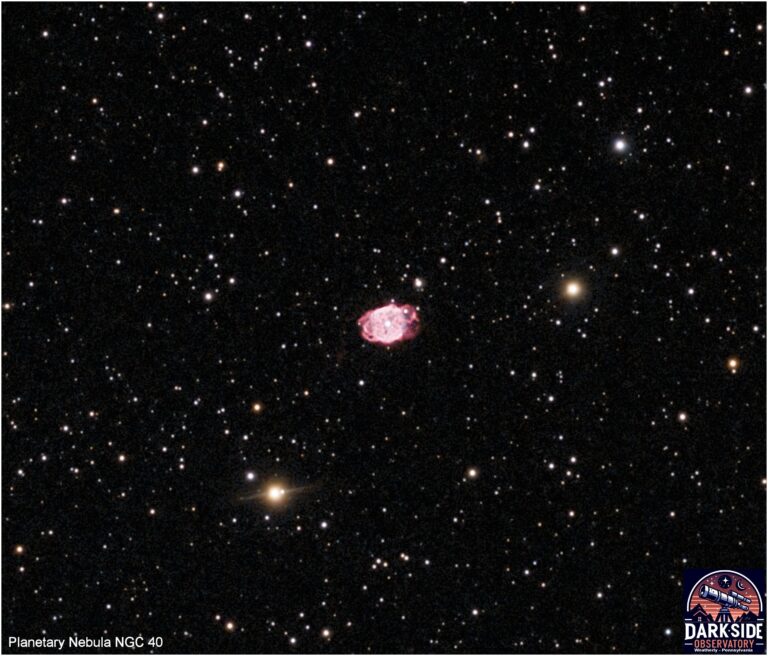
PK 060–03.1 is none other than the famous Dumbbell Nebula (M27) in Vulpecula, the first planetary nebula discovered. // Don Goldman
In the June 2013 issue of Astronomy, we ran a story titled “Explore the ultimate planetary nebula catalog.” It described a catalog of 1,510 planetary nebulae compiled by two Czech astronomers, Luboš Perek and Luboš Kohoutek.Of course, we didn’t have enough room to reprint the entire catalog in the magazine, but there’s more than enough space here. The list (in PDF format) contains five columns. Column one is the catalog number (from 1 to 1,510), the second column gives the designation the astronomers gave to each planetary nebula, the third lists one other designation of the object (from a variety of catalogs), and the fourth and fifth columns provide the right ascensions and declinations.
If you want to begin observing the list but are unsure where to start, look for an “NGC” designation in column three. That catalog will contain generally brighter objects than most of the others. Good luck!