Astronomy Forum Talk all things astronomy, all in one place
Join the conversation
Skip to content
Astronomy Magazine logo
  • Login/Register
  • Logout
  • Shop
  • Subscribe

  • News
  • Science
    • Solar System
    • Exoplanets
    • Stars
    • Milky Way
    • Galaxies
    • Exotic Objects
    • Cosmology
  • Observing
    • In The Sky
    • Upcoming Events
    • The Sun
    • The Moon
    • Planets
    • Comets
    • Deep-Sky Objects
    • Observing Basics
    • Telescopes and Equipment
    • Astrophotography
    • Gear Guide
    • This Week in Astronomy
  • Space Exploration
    • What’s Launching This Week
    • Human Spaceflight
    • Robotic Spaceflight
  • The Magazine
  • Ask Astro
  • Star Products
  • News
  • Science
    • Solar System
    • Exoplanets
    • Stars
    • Milky Way
    • Galaxies
    • Exotic Objects
    • Cosmology
  • Observing
    • In The Sky
    • Upcoming Events
    • The Sun
    • The Moon
    • Planets
    • Comets
    • Deep-Sky Objects
    • Observing Basics
    • Telescopes and Equipment
    • Astrophotography
    • Gear Guide
    • This Week in Astronomy
  • Space Exploration
    • What’s Launching This Week
    • Human Spaceflight
    • Robotic Spaceflight
  • The Magazine
  • Ask Astro
  • Star Products
  • Login/Register
  • Logout
  • Shop
  • Subscribe

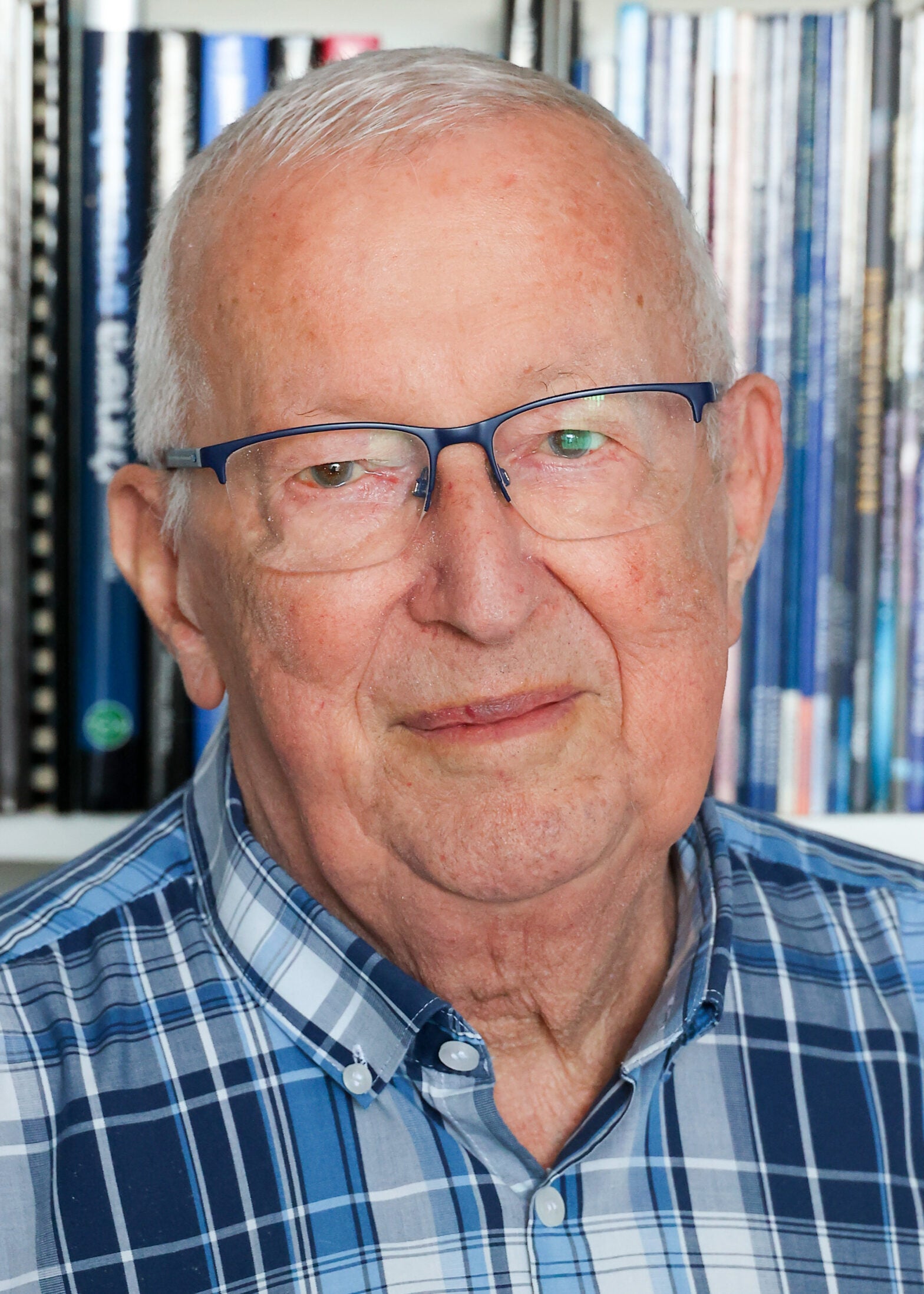
Author: Michael E. Bakich

Michael has been fascinated with the stars all his life. His astronomical journey began in third grade, after his parents bought him a set of constellation flash cards. From that day forward, Michael’s goal was to become an astronomer. He realized that goal in 1975, when he graduated with a degree in astronomy from the Ohio State University. Rather than continuing on a research-oriented track, Michael attended Michigan State University, where he received a Master of Arts in planetarium education (one of only six such degrees ever awarded) in 1977. Michael previously worked in seven planetaria and has served as a consultant in the planetarium field. He joined Astronomy in February 2003. Michael has written three books for Cambridge University Press. His first was The Cambridge Guide to the Constellations. The planets were the focus of his second book, The Cambridge Planetary Handbook. Michael’s third book, The Cambridge Encyclopedia of Amateur Astronomy, deals with all aspects of amateur astronomy. Springer published Michael’s fourth book, 1,001 Celestial Wonders to See Before You Die (New York, 2010, ISBN 978–1–4419–1776–8). It’s part of the publisher’s “Patrick Moore’s Practical Astronomy” series. Michael’s fifth book, which he co-wrote with Astronomy Contributing Editor Mike Reynolds, crosses into the field of education. Exploring the Universe: A Laboratory Guide for Astronomy was published in 2015 by Morton Publishing. Michael’s most recent book, published by Springer, deals with the great event in the United States on August 21, 2017. Your Guide to the 2017 Total Solar Eclipse deals with all aspects of solar eclipses in general and with the “Great American Eclipse” in particular. Because of his popular appeal, engaging style, and vast astronomical knowledge, Michael is a much sought after “tour guide” to eclipses, sky events, and historical astronomy sites. Michael has conducted tours to the Yucatan Peninsula in Mexico, to several space shuttle launches, and a cruise to see the 1986 appearance of Halley’s Comet in Tahiti. Michael also has led a group to South Africa to observe the 2004 transit of Venus, and has headed up total eclipse expeditions to Mexico, Peru, Tahiti, Europe, Russia, China, Easter Island, Australia, and elsewhere. In his spare time, Michael enjoys woodworking, science-fiction movies, and book collecting. This last passion has led him to amass a more than 400 19th-century, first-edition astronomy books — one of the largest private collections anywhere. Michael also enjoys observing celestial objects with a variety of telescopes. He has logged thousands of hours at the eyepiece. He lives in Tucson with his wife, Holley, who has earned degrees in fine arts and interior design.
Deep-Sky Objects, Observing

Michael’s Miscellany: Observe the Owl Cluster

Robotic Spaceflight, Science, Solar System, Space Exploration

Amino acids in Bennu may have formed differently

Science, Solar System

Michael’s Miscellany: 10 More Cool Things About the Sun

Astrophotography, Deep-Sky Objects, Observing

The Double Cluster like you’ve never seen it

Science, Solar System

The asteroid that killed the dinosaurs was a bit selective

Observing, The Moon, Upcoming Events

Get ready for next month’s total lunar eclipse

Science, Solar System

Why did Earth’s greenhouse age end?

Deep-Sky Objects, Observing

Michael’s Miscellany: Observe the Andromeda Galaxy

Science, Space Exploration

Now we can track space junk as it falls to Earth

Observing, Observing Basics

Michael’s Miscellany: More observing tips

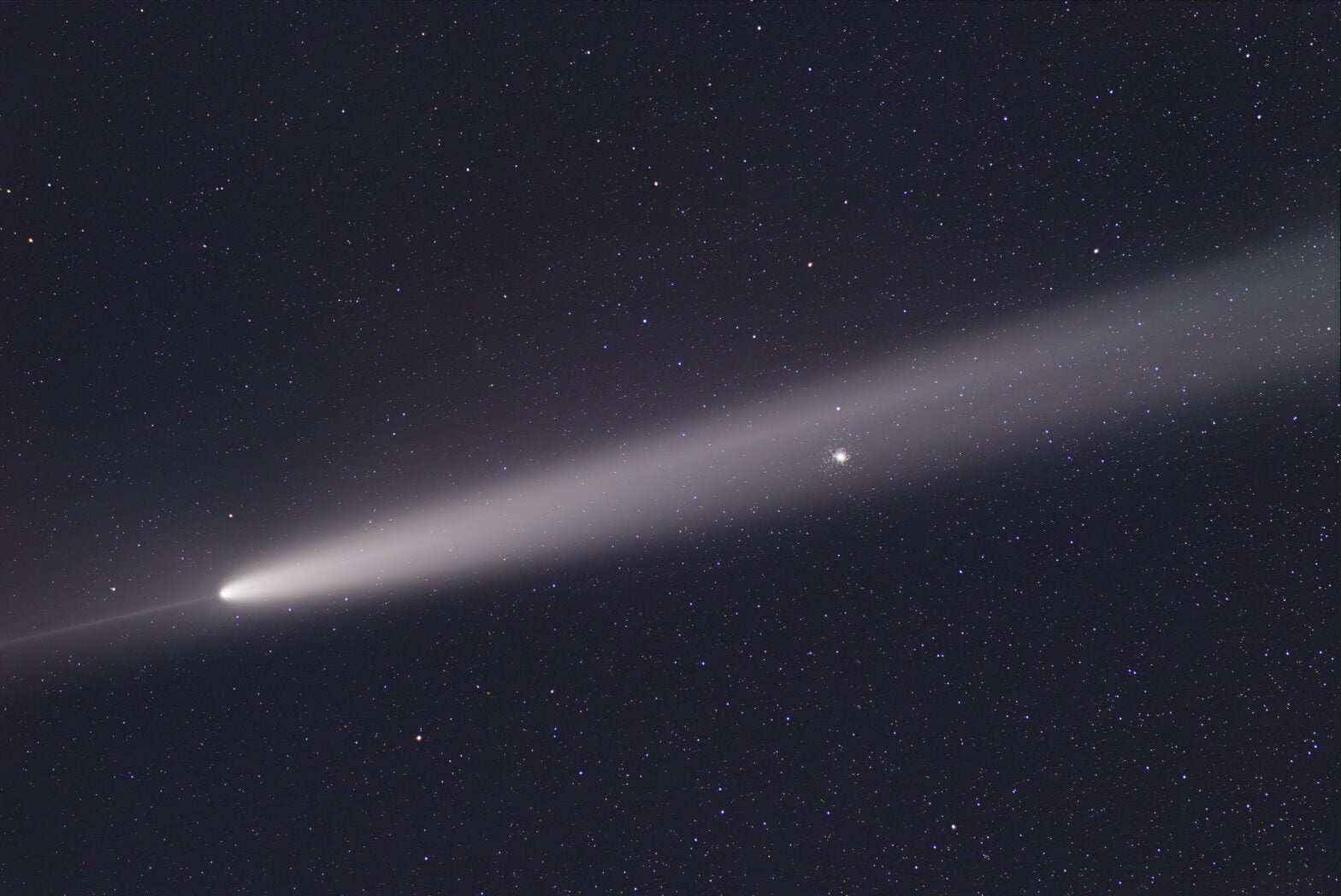
Astrophotography, Comets, Observing

See a comet inside a comet

Deep-Sky Objects, Observing

Michael’s Miscellany: Observe the Bow-tie Nebula

Posts pagination

1 2 3 … 67 Older posts
Astronomy Magazine logo
  • Facebook
  • LinkedIn
  • YouTube
  • Instagram
  • Twitter
  • About Us
  • Contact Us
  • Subscribe
  • Customer Service
  • Advertising
  • Terms of Use
  • Privacy Policy
  • Do Not Sell

@ 2025 Firecrown Media. All Rights Reserved.

More Sites from Firecrown Media Publisher logo
Scroll to Top

Login

New User? Create an Account

Why Sign In? Subscribers can access their digital magazine issues, and registered users can participate in our Community forums and galleries.

Email is required
Password is required
Forgot your password?
Manage My Account
Contact
Customer Support