As winter’s brilliant stars slip toward the western horizon and the constellations of spring climb higher, Northern Hemisphere observers discover a quieter but richly rewarding sky. Spring is celebrated for its galaxies, yet our own Milky Way offers an equally compelling bounty of open and globular clusters. From youthful, loosely packed groups that still sparkle along the fading winter Milky Way to ancient spheres that hover near the galactic halo, from the feet of Gemini to the long winding tail of Hydra, these stellar gatherings invite exploration.
Spring open clusters
Let’s begin our journey in Gemini, a “bridge” constellation: While normally associated with the winter sky, the twin brothers hang in the west well into spring after their frosty compatriots have set.
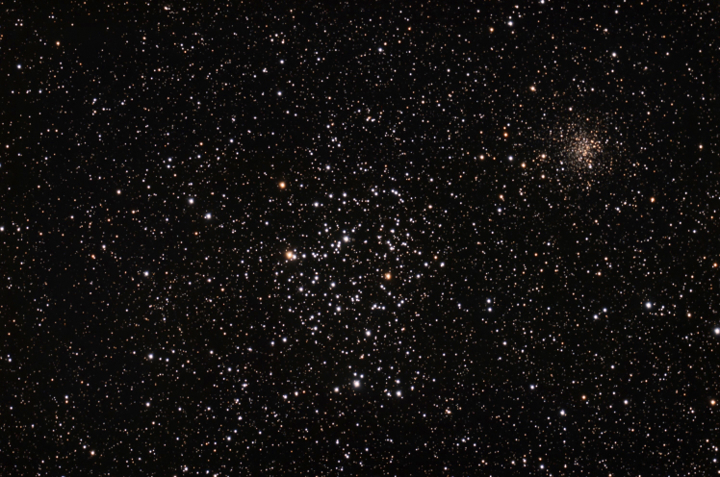
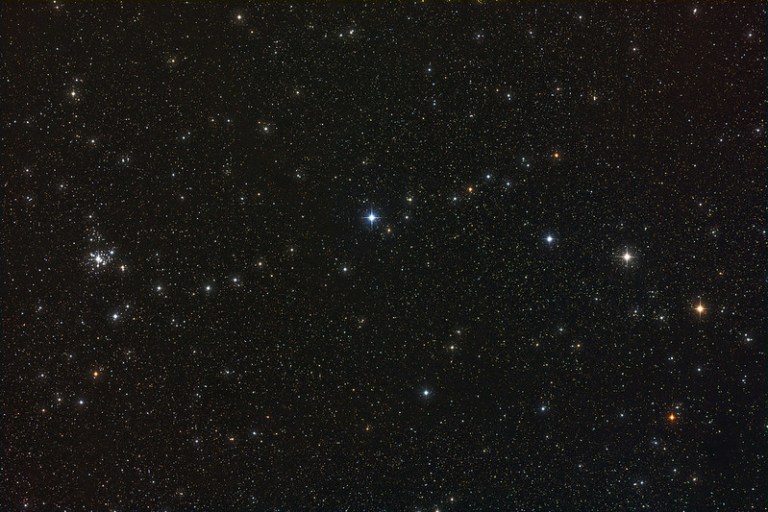
We find M35, a magnificent open cluster, lying near the foot of Pollux. M35 was discovered by Swiss astronomer Philippe Loys de Chéseaux around 1745. It lies about 3,000 light-years away and is nearly 25 light-years across. More than 400 stars shine within its bounds, with many blue-white suns hinting at the cluster’s youthful age of about 150 million years. Through a 3- or 4-inch telescope, M35’s stars sparkle like diamonds on dark velvet, with a dense core and delicate streamers radiating outward.
Nearby lurks NGC 2158, a compact and fainter open cluster located about 11,000 light-years away. This ancient cluster is more than a billion years old and contains roughly 10,000 stars, making it one of the richest and oldest open clusters visible in our galaxy. Because of its great distance and advanced age, its stars appear noticeably dimmer than those in M35 and glow with a soft golden hue, the hallmark of aging suns. Through 6-inch and larger telescopes, NGC 2158’s faint, densely packed stars form a beautiful contrast to the bright, youthful glitter of M35. Try 150x or more for the best results.
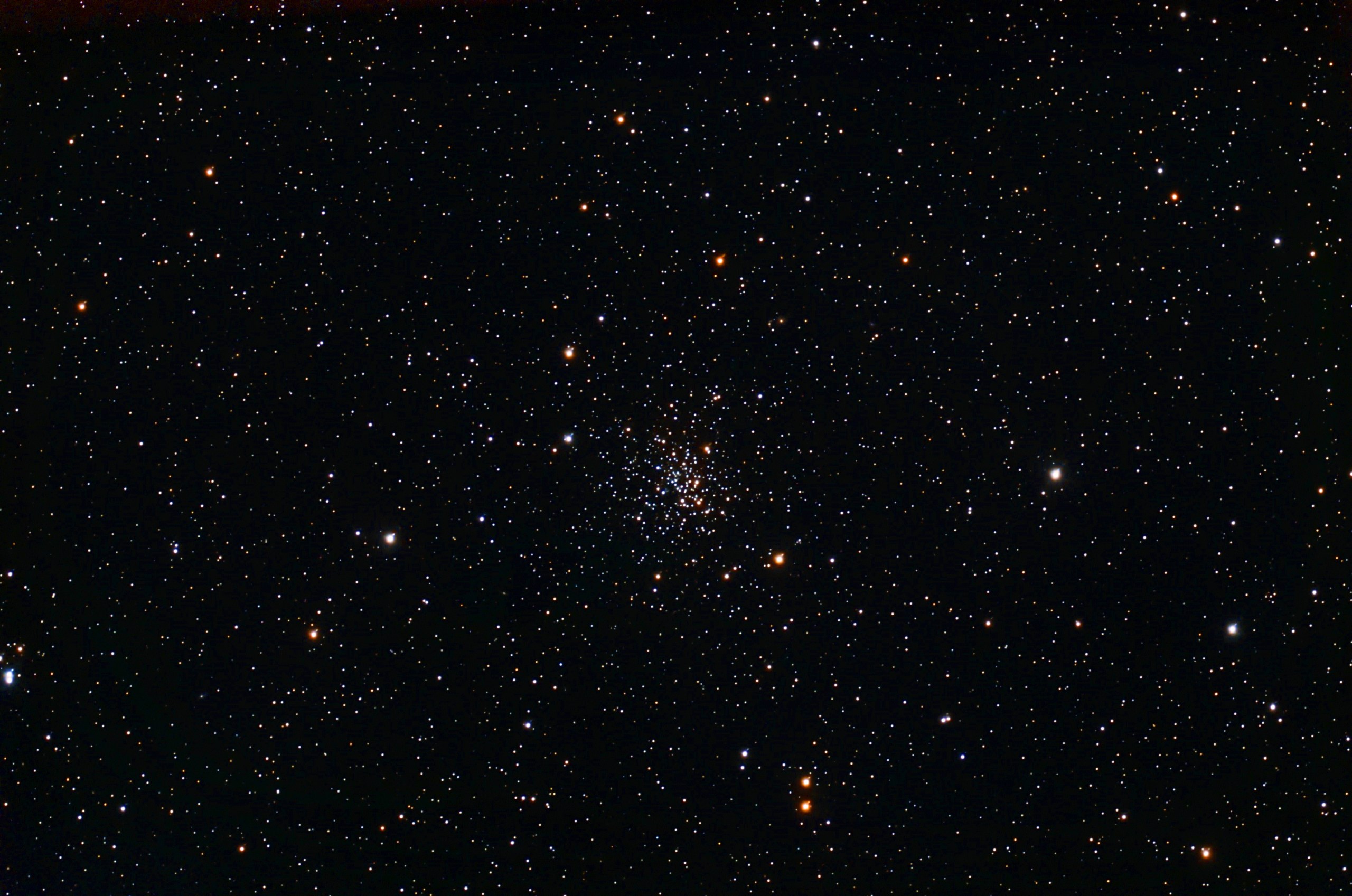
Gemini also holds another, less-well-observed open cluster. NGC 2420 is a rich and compact gathering of stars that rewards patient observers on clear early spring nights. Discovered by William Herschel in 1783, this 8th-magnitude cluster lies about 10,000 light-years away on the outer edge of the Milky Way’s disk. It contains more than 500 stars within a span of about 30 light-years and appears just over 6′ across in our sky. Through small telescopes, NGC 2420 looks like a faint, grainy patch that begins to break into tiny points with increasing aperture and magnification. Larger instruments show a dense, wedge-shaped swarm of yellowish stars, a reflection of the cluster’s advanced age of about 2 billion years. To find it, sweep about 4° east of Delta (δ) Geminorum using low power.
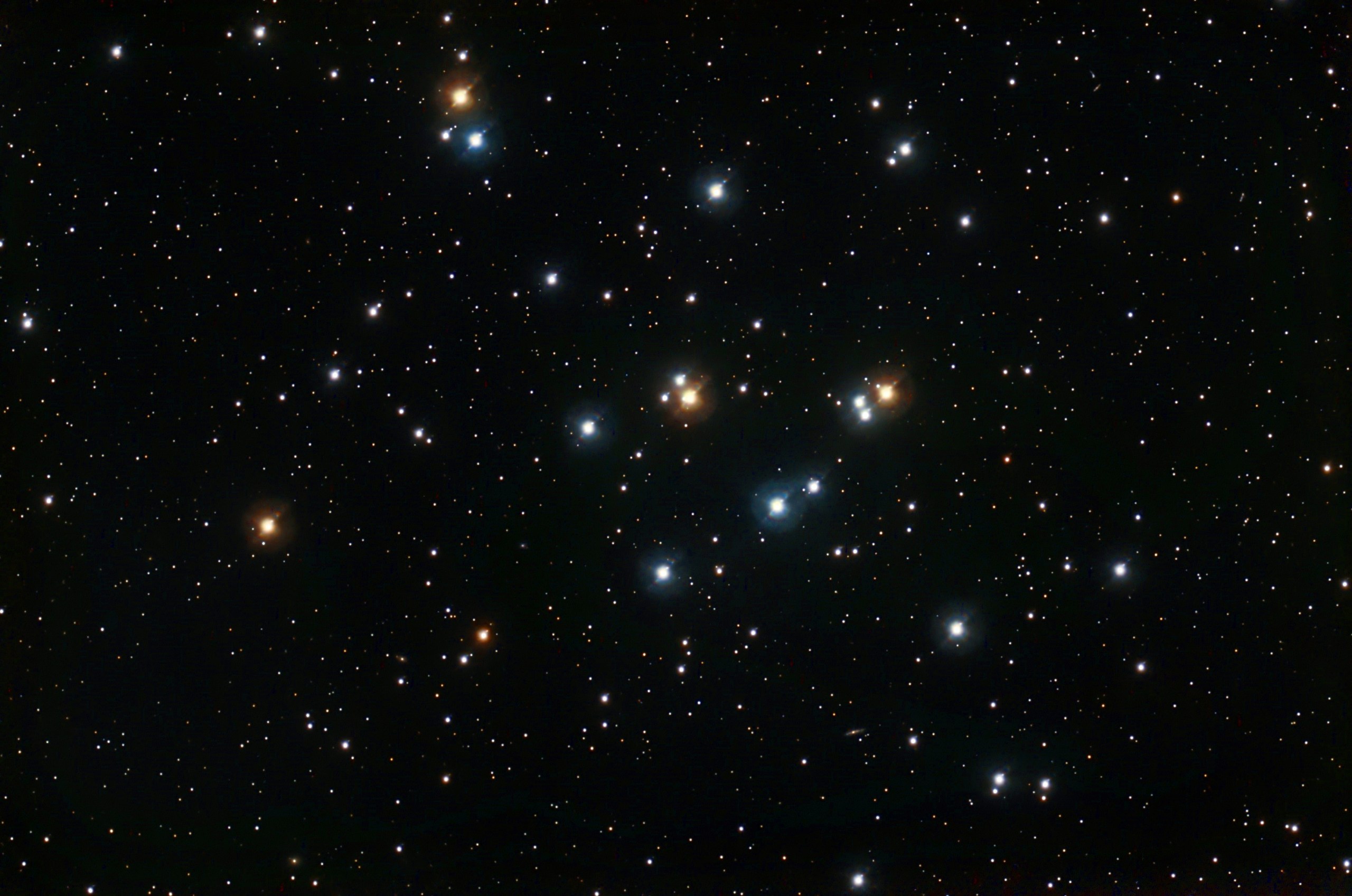
Moving eastward along the ecliptic, we come to Cancer the Crab. Cancer is well known as home to M44, commonly called the Beehive Cluster. M44 is among the most prominent open clusters in the northern sky and brings fame to a faint constellation that is only visible under dark skies. Spanning an area roughly three times the apparent diameter of the Moon, M44 is best appreciated through binoculars or a low-power telescope. Higher magnifications fragment its beauty, losing the clustering effect.
With 80 or so suns visible through modest optics, the cluster does indeed suggest a busy swarm of bees. Careful inspection reveals several small stellar groupings within the cluster that hint at patterns, including a V-shaped pattern across its center that reminds me of a heart. Stargazers in antiquity knew it as Praesepe, Latin for “manger,” and noted its haze even before telescopes existed.
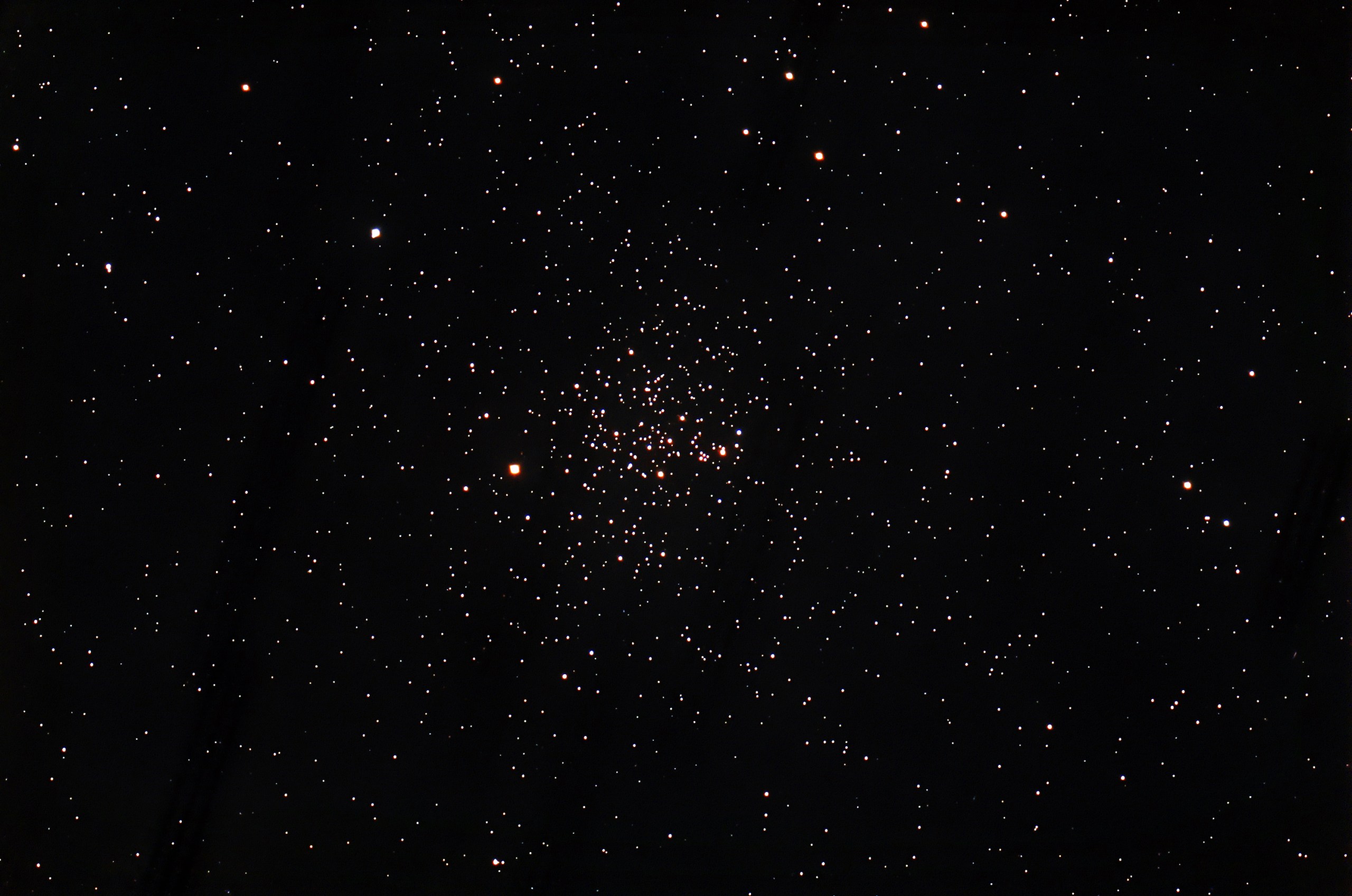
While M44 brings observers to the Crab, many move on without viewing a second striking open cluster within the constellation. M67 is a rich gathering about 2,700 light-years away and is one of the oldest known open clusters in the Milky Way. While M44 is believed to be a spry 830 million years old, elderly M67 is far older at about 4 billion years. That rivals the Sun in age. Through binoculars it appears as a small, hazy glow, while backyard telescopes resolve dozens of stars. Spanning about half a degree, M67 shows best at 50x to 75x. Look carefully — can you also spot a winding line of stars that bends into a hooklike curve? This pattern has inspired the nickname the King Cobra Cluster. M67 is also called the Golden Eye Cluster because many of its brighter stars shine with a warm yellow or golden hue.
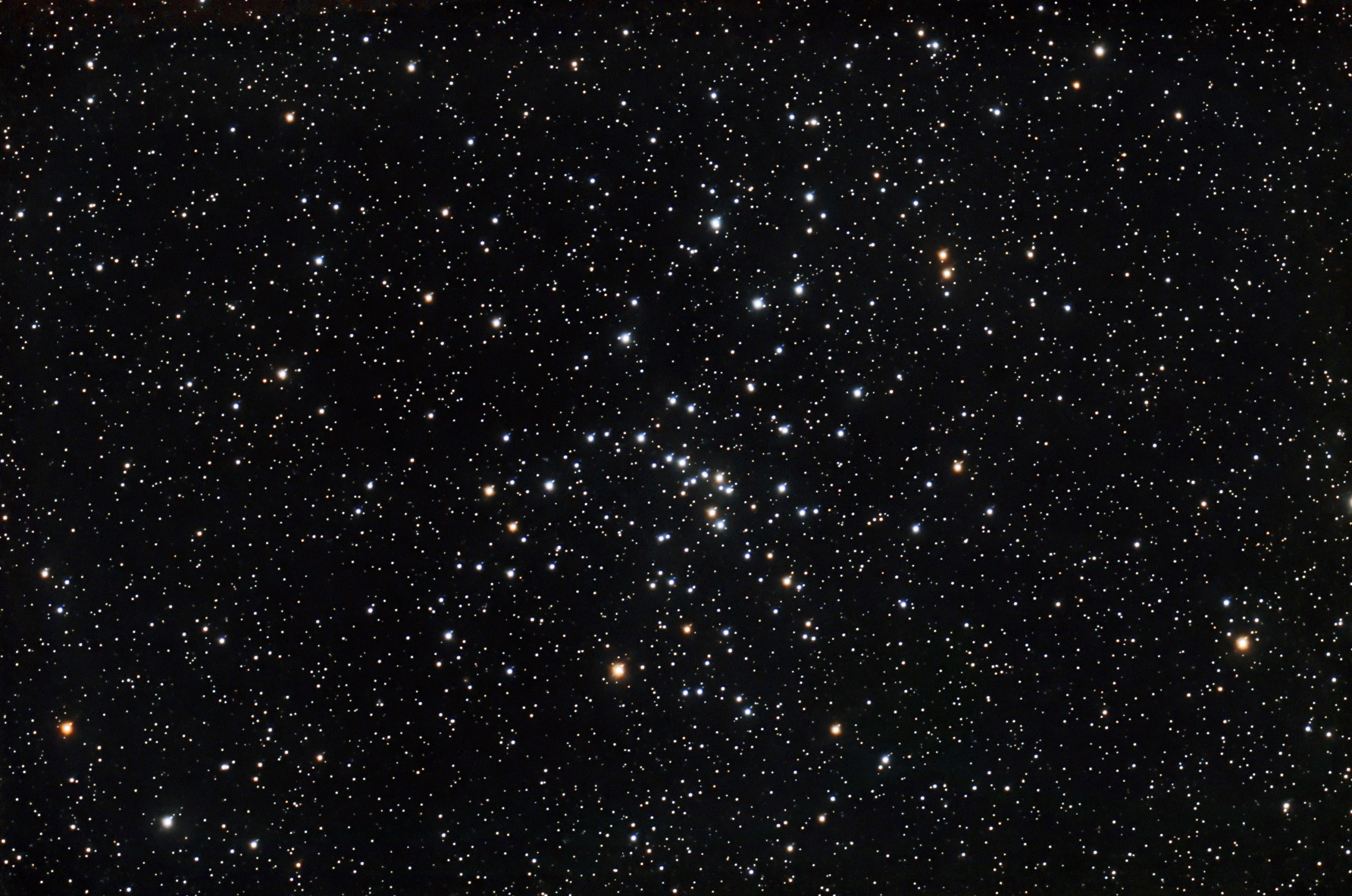
Spring skies showcase Hydra, the sky’s largest constellation, also linking winter stars to the summer Milky Way. It stretches more than 100° and contains mostly faint galaxies. But it also hides an often-overlooked open cluster. M48 is sometimes referred to as the Lost and Found Cluster because of its history. Charles Messier discovered it in 1771 but mistakenly recorded its position 5° too far north. His error left M48 “lost” until 1934, when German astronomer Oswalt Thomas identified it as the same cluster as NGC 2548. Since M48 spans about half a degree of sky, a low-power eyepiece works best. Centered, it appears as a bright cluster of more than 50 stars, highlighted by lines and arcs. Eight central stars form a capital A, while outliers give the cluster an overall arrowhead-like shape.
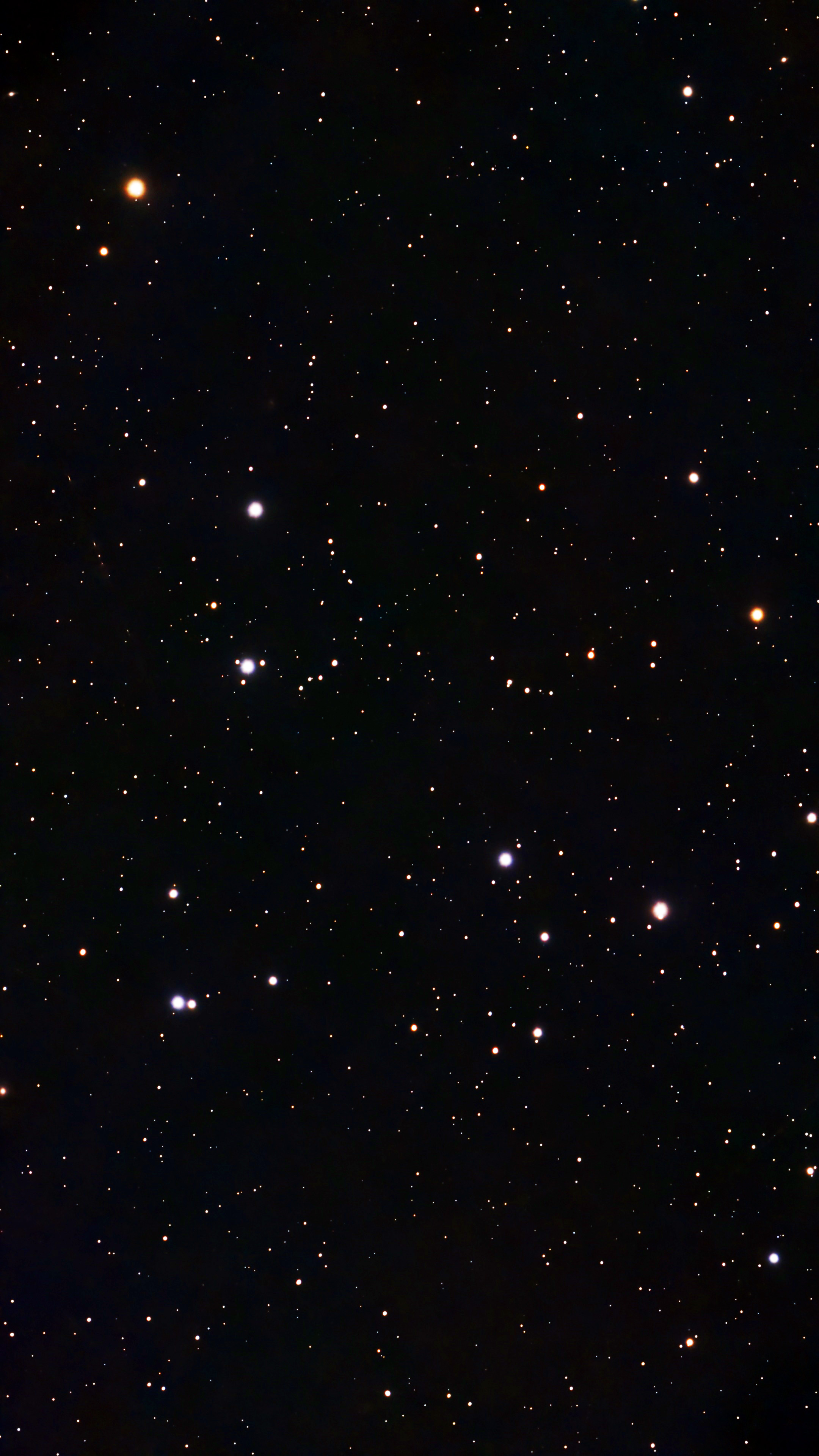
Our next destination, Coma Berenices, is a faint constellation defined by just three modest naked-eye stars forming a right triangle. Dark skies, however, also show a faint misty glow west of those stars. That glow is the Coma Star Cluster (Melotte 111), which lies about 280 light-years away. More than 270 stars belong to the cluster, with roughly 40 shining brighter than 10th magnitude. Those stars span 5° of sky (more to giant scopes), making this an ideal target for binoculars. Through binoculars, the cluster’s brightest stars align in arcs and lines resembling a V-shaped gaggle of flying geese. The brightest members include 12, 13, 14, 16, and 21 Comae Berenices. Several pairs stand out, notably 17 Com with its 7th-magnitude companion.
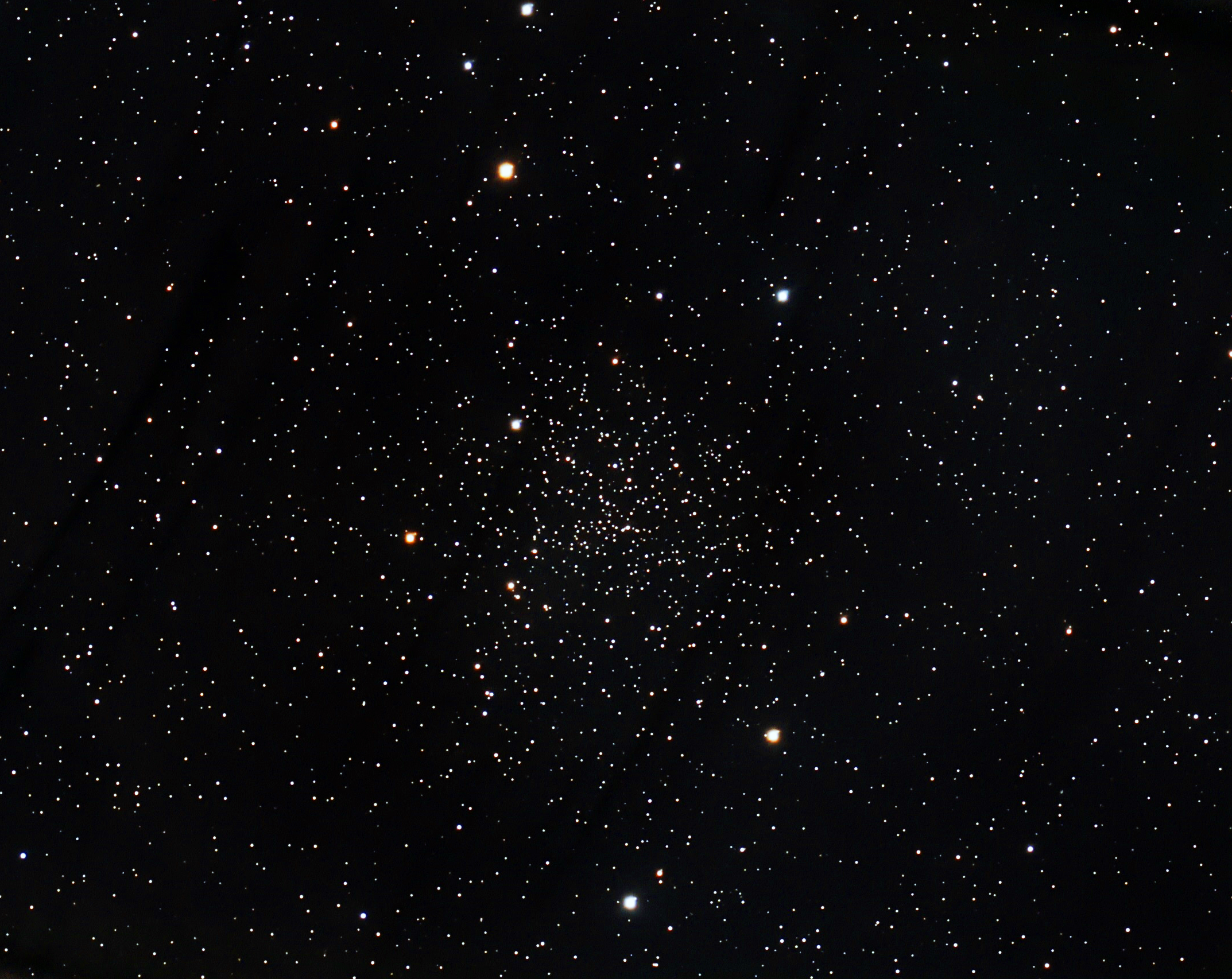
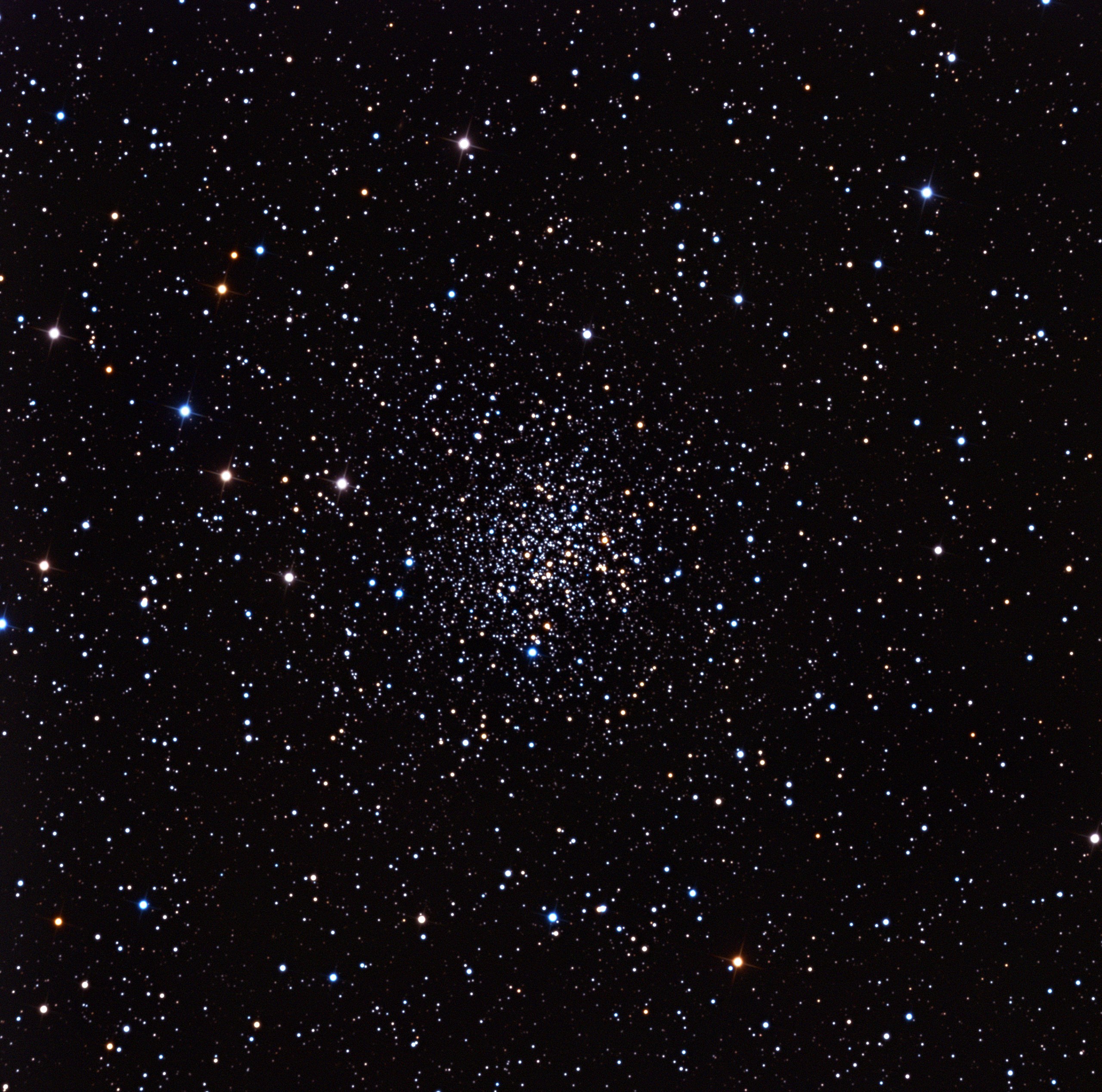
For a real observing challenge, look just 4° from Polaris (Alpha [α] Ursae Minoris) toward Cepheus to find NGC 188, often called the Polarissima Cluster. Discovered by John Herschel in 1831 near the 4th-magnitude star SAO 181, this faint open cluster appears as a dim, round glow through a 4- to 6-inch telescope, with tiny points scattered across it. Larger scopes reveal dozens of faint suns loosely arranged, yet the group remains a subtle, grainy patch. Its allure lies in its advanced age, approximately 6.4 billion years old. Most open clusters scatter quickly, but NGC 188 has survived thanks to its location above the Milky Way’s disk, where the galaxy’s disruptive gravitational pull is weaker.
Spring globular clusters
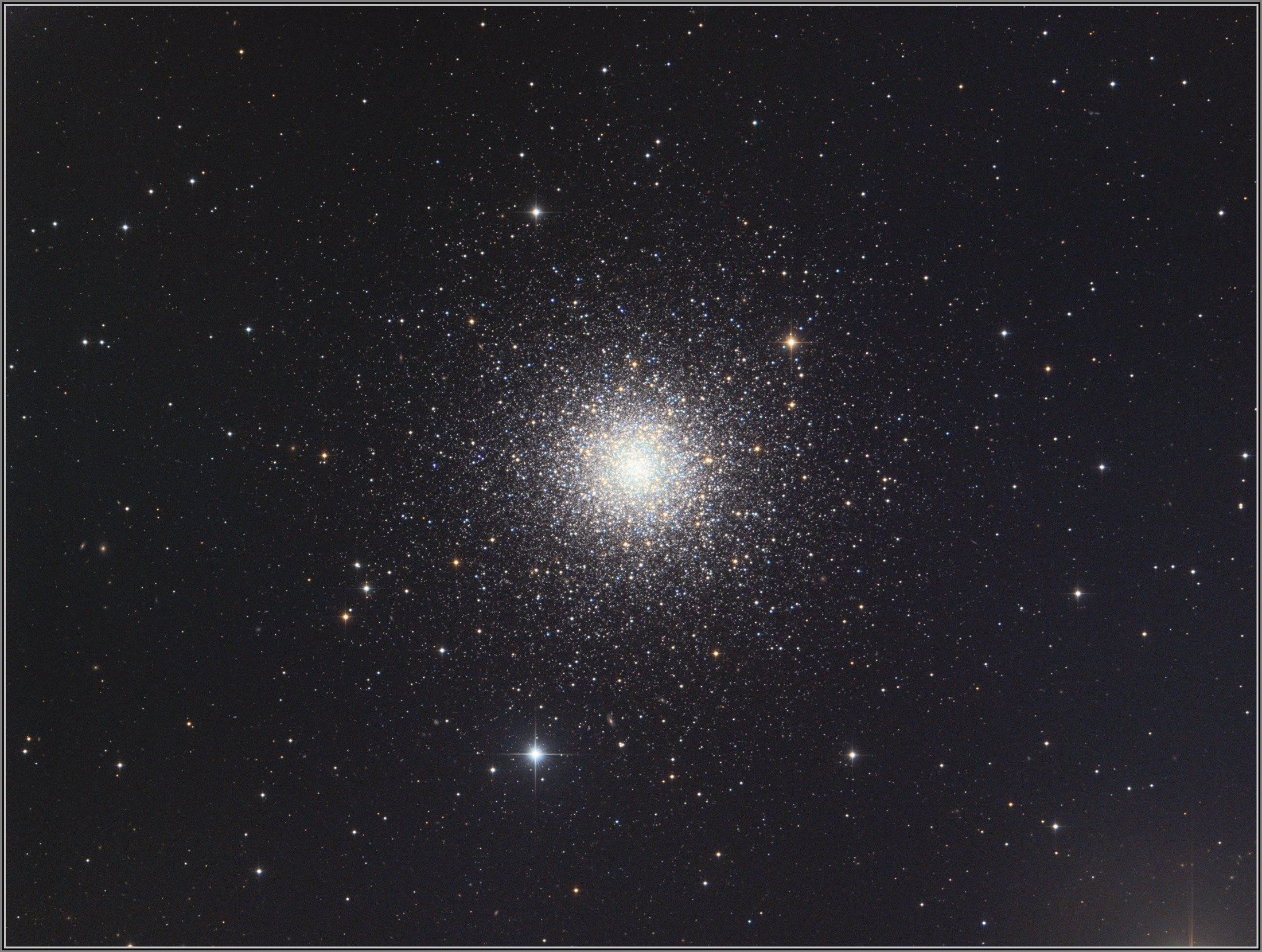
There are also several globular clusters scattered throughout our spring sky. We’ll start with M3 in Canes Venatici, the finest globular cluster of the season. Discovered by Charles Messier in 1764, M3 shines as a dense ball of half a million stars 34,000 light-years away.
M3 is a spring showpiece that never disappoints, no matter the instrument. Even a 3-inch telescope shows a bright, hazy glow concentrated toward the core. With 4 inches of aperture, the haze begins to break into hundreds of tiny points surrounding the compact nucleus. An 8-inch or larger scope fully resolves the cluster, revealing stars spread across its face. Some appear to line up in curious chains, a pattern first noted by William Herschel, although these are only chance alignments.
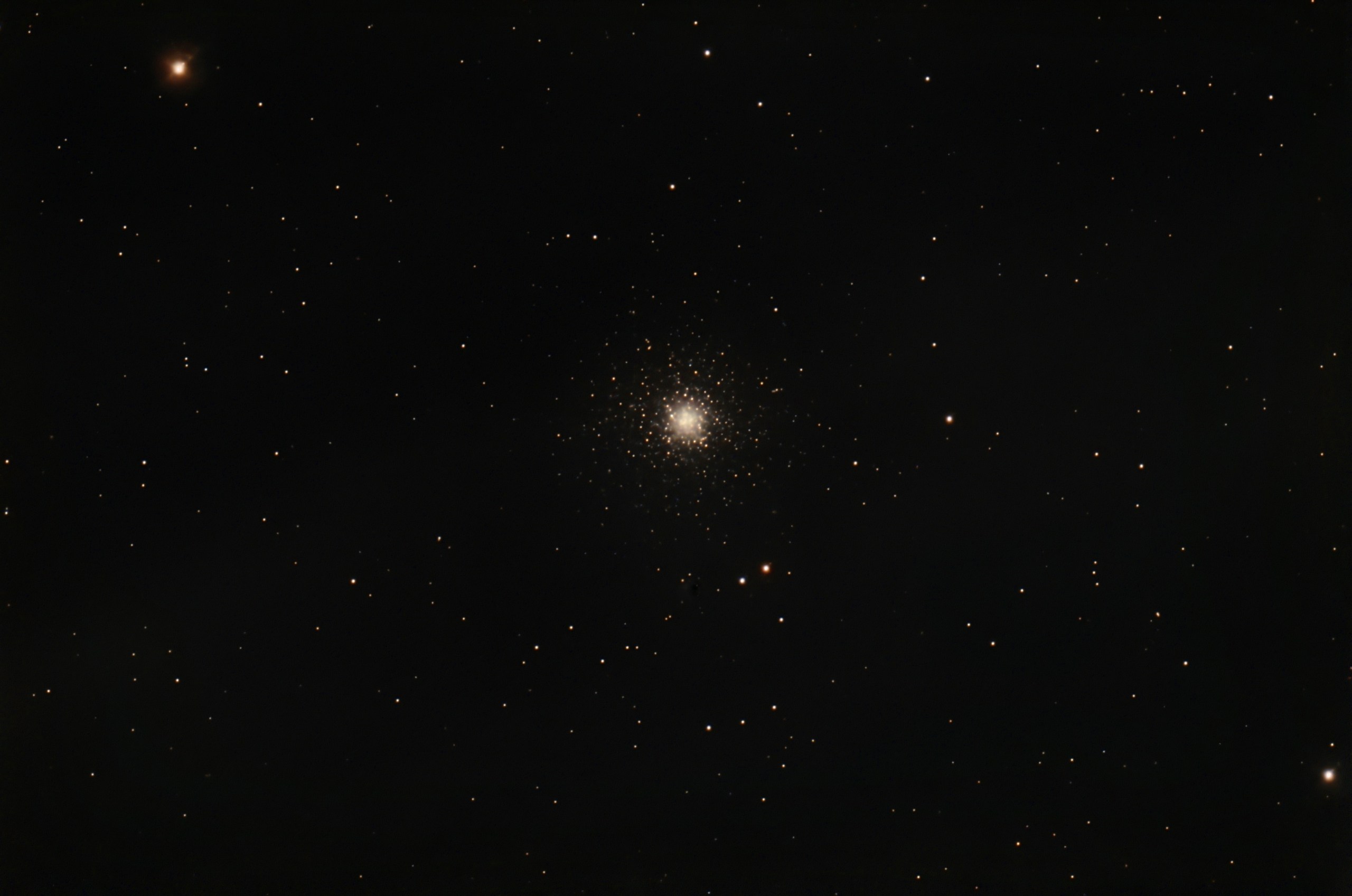
Discovered in 1775 by Johann Bode, M53 lies in nearby Coma Berenices but will prove tougher to find than M3. Like M3, M53 seems out of place in the spring sky. In a region dominated by other galaxies, it stands out as one of this constellation’s few Milky Way deep-sky objects. And at its estimated distance of 58,000 light-years, M53 is one of the most remote globular clusters associated with our galaxy, lying on the verge of intergalactic space.
That extreme distance makes M53 tough to resolve into stars. A 4- to 6-inch scope reveals a compact, bright core with a slightly grainy outer halo hinting at unresolved stars. In 11- to 16-inch instruments, M53 becomes a dazzling swarm of faint suns, its dense core surrounded by a gradually thinning field of dim points that spill outward in all directions.
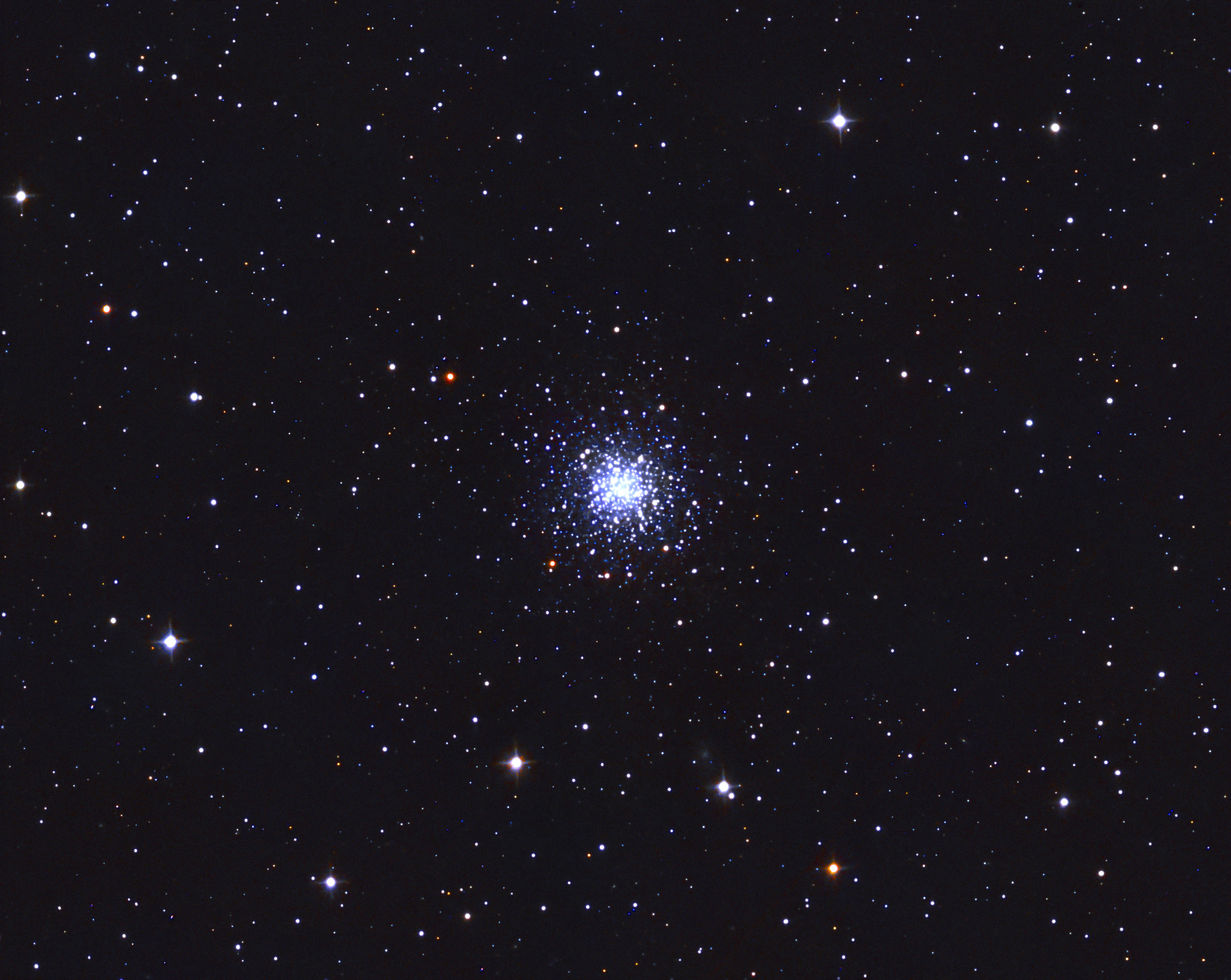
Swinging south to Corvus the Crow, we find M68. Discovered by Charles Messier in 1780, this globular is about 33,600 light-years away and 110 light-years across. Despite its brightness, it often goes unnoticed, tucked low in the sky and far from easy star-hopping paths. Even moderately large telescopes struggle to resolve its loosely packed stars, though 11-inch and larger scopes reveal a rich scatter of faint points surrounding a brighter, mottled core. Interestingly, M68 may not be a native Milky Way cluster. Its motion and chemistry suggest it was once part of a small galaxy absorbed by our own billions of years ago. Now a cosmic refugee orbiting the galaxy, M68 offers observers not just a beautiful target but a glimpse into the Milky Way’s dynamic, cannibalistic past.
Galaxies aren’t everything
Spring’s star clusters are more than pretty lights. They are each a glimpse into the Milky Way’s story. From the youthful sparkle of M35 to the ancient NGC 188, and from M67’s golden stars to the dense globulars M3, M53, and M68, each cluster has its own charm. Spring is the perfect time to explore and enjoy these stellar families, so set up your scope and observe them.
Editor’s note: The printed version of this story erroneously labeled an image of M53 as M3. The correct image has been included in the online version.