On Feb. 27, 1942, in the midst of World War II, sudden, severe interference struck anti-aircraft radar stations on the coast of England. The obvious answer seemed to be a new German signal-jamming tactic. But physicist James Stanley Hey of the Army Operational Research Group realized that the signals started at sunrise and ended at sunset – not timing that seemed particularly correlated with enemy activities.
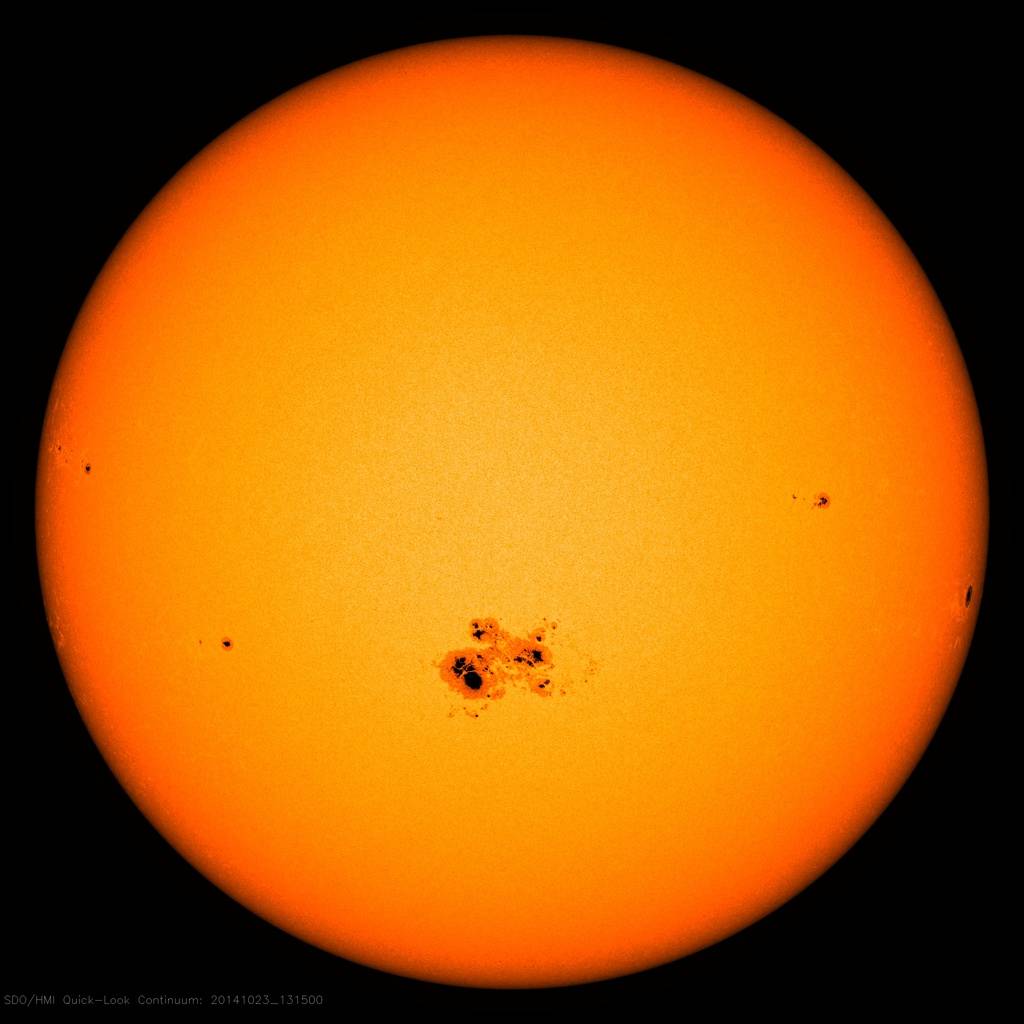
Hey followed up on the strange timing by contacting the Royal Greenwich Observatory, and found out about a massive sunpot group. From that information, he extrapolated that the problem was caused by solar radio bursts. Wartime secrecy kept him from publishing immediately, but with the end of WWII came the launch of the new field of solar radio astronomy.