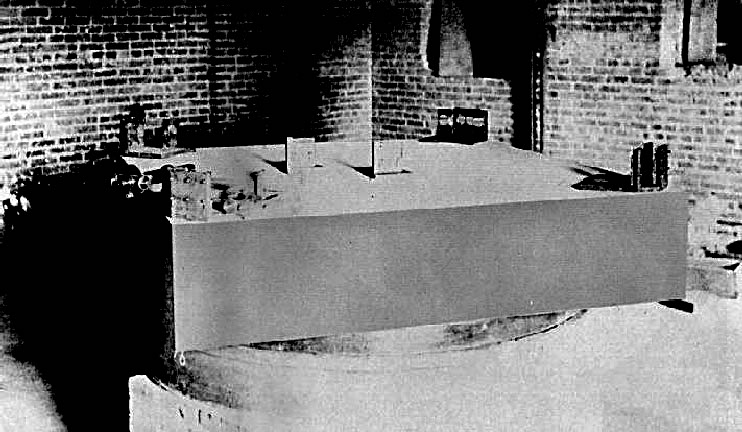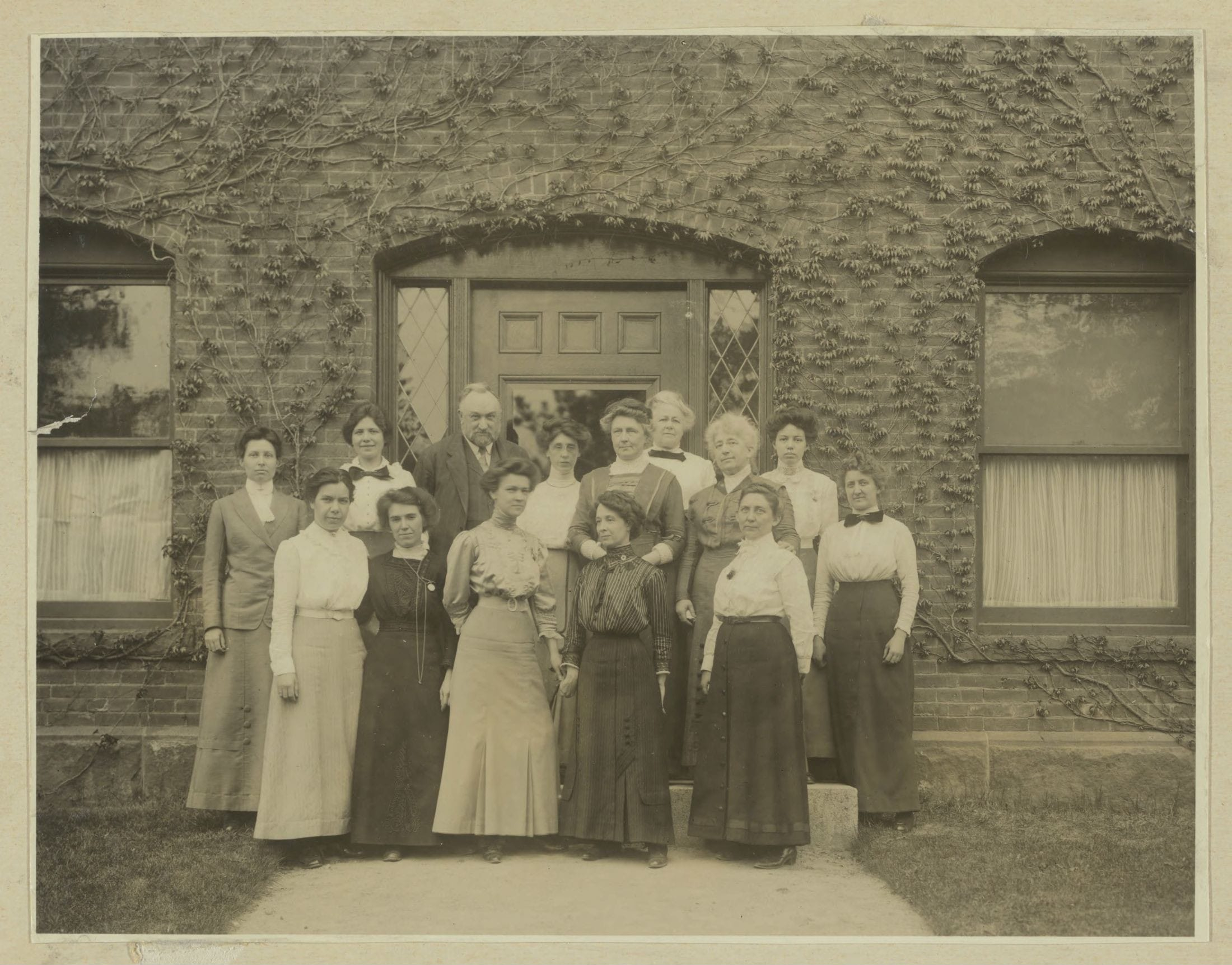
Edward Charles Pickering graduated summa cum laude from Lawrence Scientific School at the age of 19, beginning a position as a physics professor at MIT a year later. During his 10 years there, he created the first physics laboratory in America for student use. But it was his appointment as director of the Harvard College Observatory (HCO) for which he’d be best known: After being named in 1876, he began work there on Feb. 1, 1877, and would hold the role until his death in 1919.
Under his leadership, the HCO shifted to a focus on astrophysics, using photography and spectroscopy to study the nature of stars. Massive amounts of data were collected. To analyze and classify all this data, Pickering recruited and hired a workforce of women who would be known as the Harvard Computers. With talents including Williamina Fleming, Annie Jump Cannon, and Henrietta Swan Leavitt, the group (individually or in collaborations) discovered the period-luminosity relationship for Cepheids, amassed over 3,000 new variable star discoveries, created a library of over 200,000 celestial photographs, compiled the Henry Draper Catalogue, and developed the spectral classification system (O-B-A-F-G-K-M) that’s still used today. Pickering himself invented a meridian photometer to measure star magnitudes, made many thousands of observations, and established a high-altitude observatory in Peru.