
Key Takeaways:
- Launched on May 30, 1971, Mariner 9 achieved orbit around Mars on November 13, 1971, becoming the first spacecraft to orbit another planet.
- Following the failure of its counterpart, Mariner 8, Mariner 9 inherited an expanded mission profile, encompassing surface mapping, atmospheric monitoring and analysis, surface data collection, and the acquisition of approximately 3,000 photographs.
- Upon its arrival at Mars, Mariner 9 encountered a global dust storm; however, its design for longevity enabled it to persist and commence its mission subsequent to the storm's abatement.
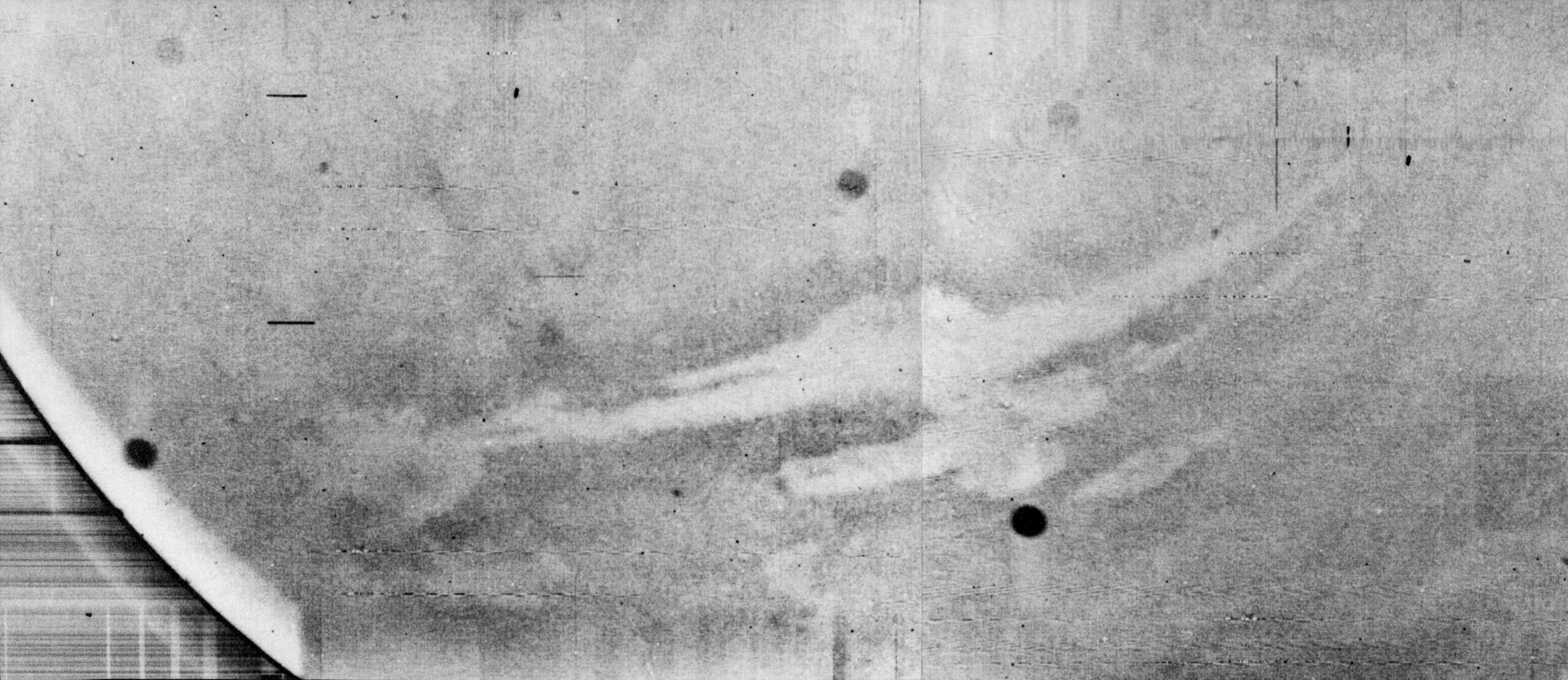
- Over approximately a year, Mariner 9 returned 7,329 photos, mapped 85% of the Martian surface, and revealed a dynamic world featuring shield volcanoes, dry river valleys, and polar ice, in addition to providing close-up views of Phobos and Deimos.
On May 30, 1971, Mariner 9 launched, setting off on its mission to Mars. On Nov. 13, 167 days later, it entered orbit around Mars, making it the first spacecraft to orbit another planet.
With Mariner 8, Mariner 9 was one half of the Mars 71 mission. But when Mariner 8 launched on May 9, it failed to achieve orbit and tumbled out of the sky after five minutes, crashing into the Atlantic Ocean. As a result, Mariner 9 inherited all of 8’s goals in addition to its own, giving it an extensive list of objectives: surface mapping, atmospheric monitoring and analysis, surface data collection, and returning around 3,000 photographs.
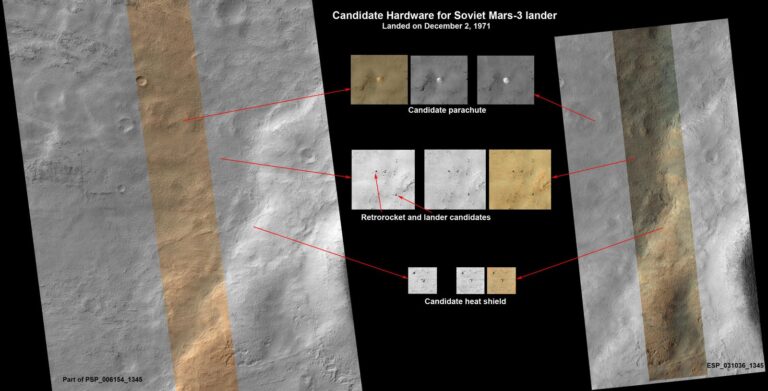
When Mariner 9 arrived at Mars, it encountered a global dust storm. Because it had been designed for longevity, the orbiter was able to wait out the storm and begin its mission afterwards. (Soviet spacecraft Mars 2 and Mars 3 did not fare as well.) Over the course of about a year, Mariner 9 returned 7,329 photos and mapped 85% of the martian surface. It also revealed a dynamic and active world – including shield volcanoes, dry river valleys, ice at the martian poles – and gave researchers close-up views of the surfaces of Phobos and Deimos.