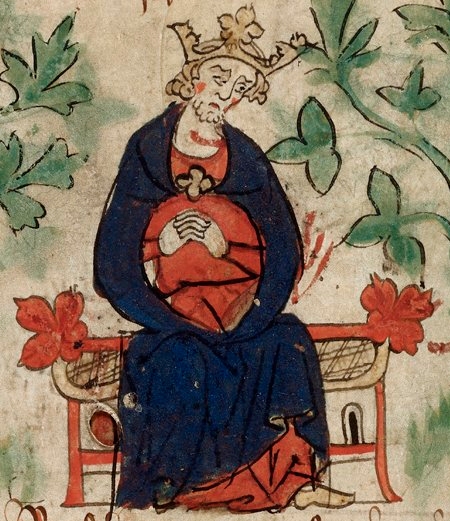
Visible in Scotland, the total solar eclipse of Aug. 2, 1133, featured nearly 4½ minutes of totality. This eclipse provides just one of many historical examples of people wrongly associating a celestial spectacle with an earthly event: In his Historia Novella, written between 1140 and 1143, English historian William of Malmesbury linked the eclipse with the death of King Henry I, writing, “The elements manifested their sorrow at this great man’s last departure from England. For the Sun on that day at the 6th hour shrouded his glorious face, as the poets say, in hideous darkness agitating the hearts of men by an eclipse; and on the 6th day of the week early in the morning there was so great an earthquake that the ground appeared absolutely to sink down; a horrid noise being first heard beneath the surface.” The problem is that the eclipse and the king’s death occurred in different years. The account implies, 19th-century author Mabel Loomis Todd wrote in her book Total Eclipses of the Sun, “that Henry must have died in 1133, which he did not, or else there must have been an eclipse in 1135, which there was not. But this is not the only labyrinth into which chronology and old eclipses, imagination and computation, lead the unwary searcher.”