Astronomy forum Connect with fellow astronomy enthusiasts!
Get started
Skip to content
Astronomy Magazine logo
  • Login / Register
  • Logout
  • Shop
  • Subscribe

  • News
  • Science
    • Solar System
    • Exoplanets
    • Stars
    • Milky Way
    • Galaxies
    • Exotic Objects
    • Cosmology
  • Observing
    • In The Sky
    • Upcoming Events
    • The Sun
    • The Moon
    • Planets
    • Comets
    • Deep-Sky Objects
    • Observing Basics
    • Telescopes and Equipment
    • Astrophotography
    • Gear Guide
    • This Week in Astronomy
  • Space Exploration
    • What’s Launching This Week
    • Human Spaceflight
    • Robotic Spaceflight
  • The Magazine
  • Ask Astro
  • Star Products
  • Login / Register
  • Logout
  • Shop
  • Subscribe
From the November 2007 issue

Why can the Hubble Space Telescope see distant galaxies but not exoplanets?

David McKenna, San Bruno, California
By Astronomy Staff | Published: November 1, 2007 | Last updated on May 18, 2023

Despite Hubble’s marvelous ability to image distant galaxies, the telescope isn’t able to image extrasolar planets.

Up Next

  • Robotic Spaceflight, Solar System

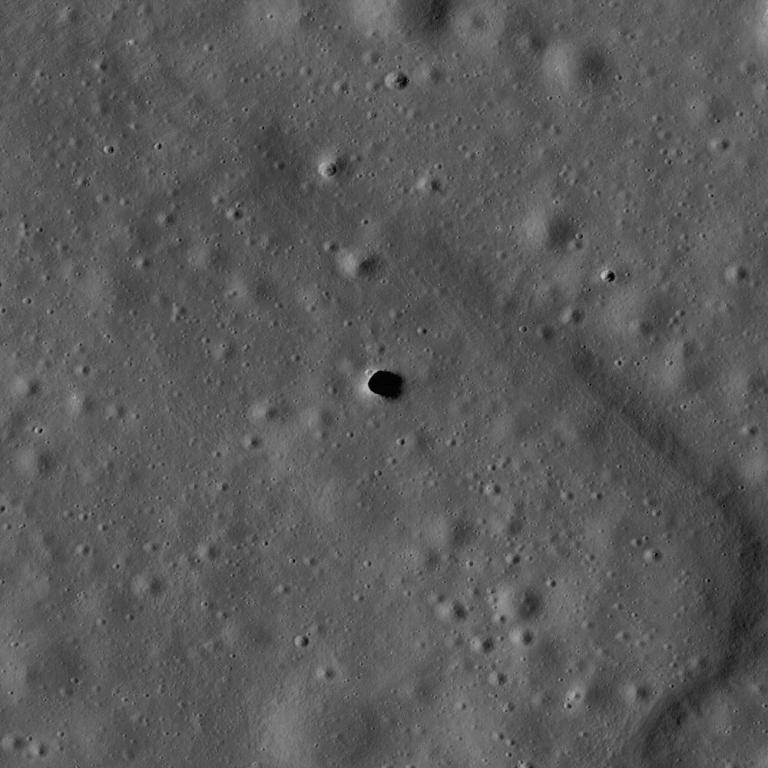
    Newly selected NASA mission will hunt for caves on the Moon

  • Robotic Spaceflight, What's Launching This Week

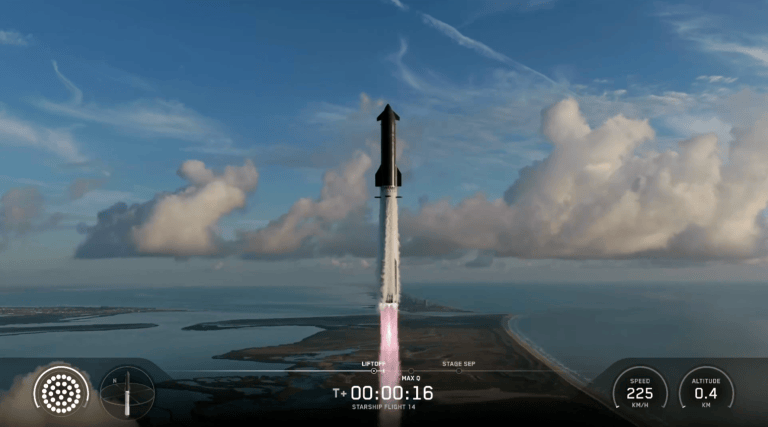
    Starship reaches orbit on 14th test flight

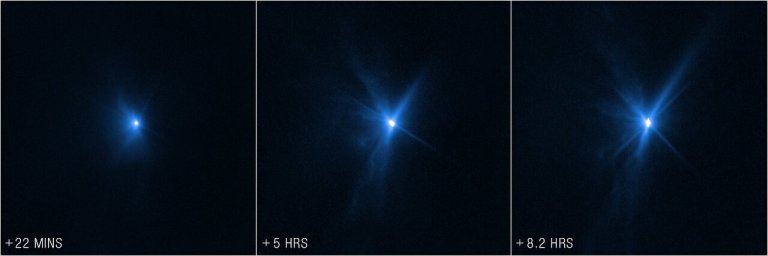
  • A side-by-side sequence of three square panels shows a glowing blue point of light expanding against a black background over time. In the first panel labeled "+ 22 MINS," a small, bright white core is enveloped by a soft blue haze. In the middle and right panels, labeled "+ 5 HRS" and "+ 8.2 HRS," the central bright spot intensifies while spiky blue rays and fan-like plumes spread further outward across space.
    Robotic Spaceflight, Today in the History of Astronomy

    Sept. 29, 2022: Seeing the DART impact

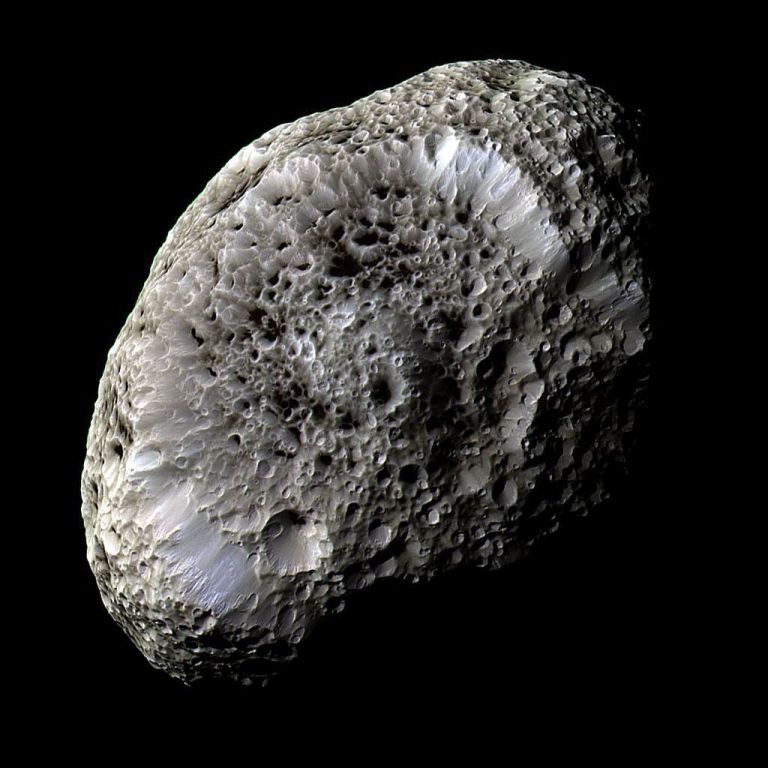
  • An irregularly shaped, sponge-like celestial body with a heavily pitted, crater-covered surface fills the center of the frame against a solid black space background. The pale grey and light-tan object features deep, honeycomb-like depressions and several prominent larger circular basins with bright, sunlit rims. Strong directional lighting casts crisp dark shadows inside the craters, emphasizing its rough, porous texture and sharp contrast against space.
    Robotic Spaceflight, Today in the History of Astronomy

    Sept. 26, 2005: Cassini visits Saturn’s weirdest moon

  • A cream-colored, multi-tiered spacecraft model rests centrally on a grey, rocky surface against a painted backdrop of tan terrain. The complex lander features spherical fuel tanks around its base, four outstretched metallic landing legs, a cylindrical silver upper section capped by a reddish-brown sphere, and several thin antenna booms extending outward. Bright, even lighting highlights the metallic and painted surfaces, casting soft shadows beneath the landing pads.
    Robotic Spaceflight, Today in the History of Astronomy

    Sept. 24, 1970: Luna 16 brings back regolith

  • Features, Robotic Spaceflight

    Why we need in-orbit refueling to return to the Moon

  • Robotic Spaceflight

    U.S. confirms it has weapons in orbit

  • A pale yellow, smoothly textured sphere fills the bottom half of the frame, slanting downward to the right. A thin, vivid blue outline traces its curved edge against a solid black space background. A tiny, dim grey crescent moon peeks out from directly behind the blue horizon near the center.
    Robotic Spaceflight, Today in the History of Astronomy

    Sept. 15, 2017, Cassini’s Grand Finale

  • An illustration shows a boxy, gold-foil-wrapped spacecraft with a large black dish antenna on the left, positioned in front of a glowing, fiery sphere on the right against a solid black space background. The central sun-like orb ranges in color from dark, swirling reddish-browns to intense, bright yellow flare-like bursts around its edges. Several thin, metallic booms and antenna rods extend outward diagonally from the main body of the satellite, creating strong geometric contrast with the soft, fiery texture behind it.
    Robotic Spaceflight, Today in the History of Astronomy

    Sept. 13, 1994: Ulysses at the Sun’s south pole

Astronomy Newsletter

Get newsletters, updates and special offers via email from Astronomy.com!

Please enter a valid email address.

Astronomy magazine: 50 years and counting

Astronomy leads the astronomy hobby as the most popular magazine of its kind in the world. Get information about subscriptions, digital editions, renewals, advertising and much, much more.

Count me in

FREE DOWNLOAD

All About the Apollo Mission

Get it now
Astronomy Magazine logo
  • Facebook
  • LinkedIn
  • YouTube
  • Instagram
  • Twitter
  • About Us
  • Contact Us
  • Subscribe
  • Customer Service
  • Advertising
  • Terms of Use
  • Privacy Policy
  • Do Not Sell

@ 2025 Firecrown Media. All Rights Reserved.

More Sites from Firecrown Media Publisher logo
Scroll to Top

Sign In

New User? Create an Account

Why Sign In? Subscribers can access their digital magazine issues, and registered users can participate in our Community forums and galleries.

Please enter your email.
Please enter your password.

Lost your password?

Manage My AccountCustomer Support