
Key Takeaways:
- The Yerkes Future Foundation (YFF) has officially acquired the Yerkes Observatory's collection of 180,000 astronomical glass plates from the University of Chicago.
- These glass plates, spanning from 1900 to 1970, contain astronomical images predating digital photography and offer a valuable historical and scientific record of celestial objects.
- The YFF plans to digitize the entire collection and initiate a citizen science project to transcribe associated logbooks, thereby making the data accessible for research.
- This acquisition represents a significant step towards the YFF's goal of preserving Yerkes Observatory's historical legacy and utilizing its resources for future astronomical research.
On June 28, the Yerkes Future Foundation (YFF), the nonprofit that has operated Yerkes Observatory since 2020, finalized the legal transfer of the site’s massive astronomical glass plate collection from the University of Chicago, according to an Aug. 7 press release. The foundation is now the official owner and steward of all 180,000 plates.
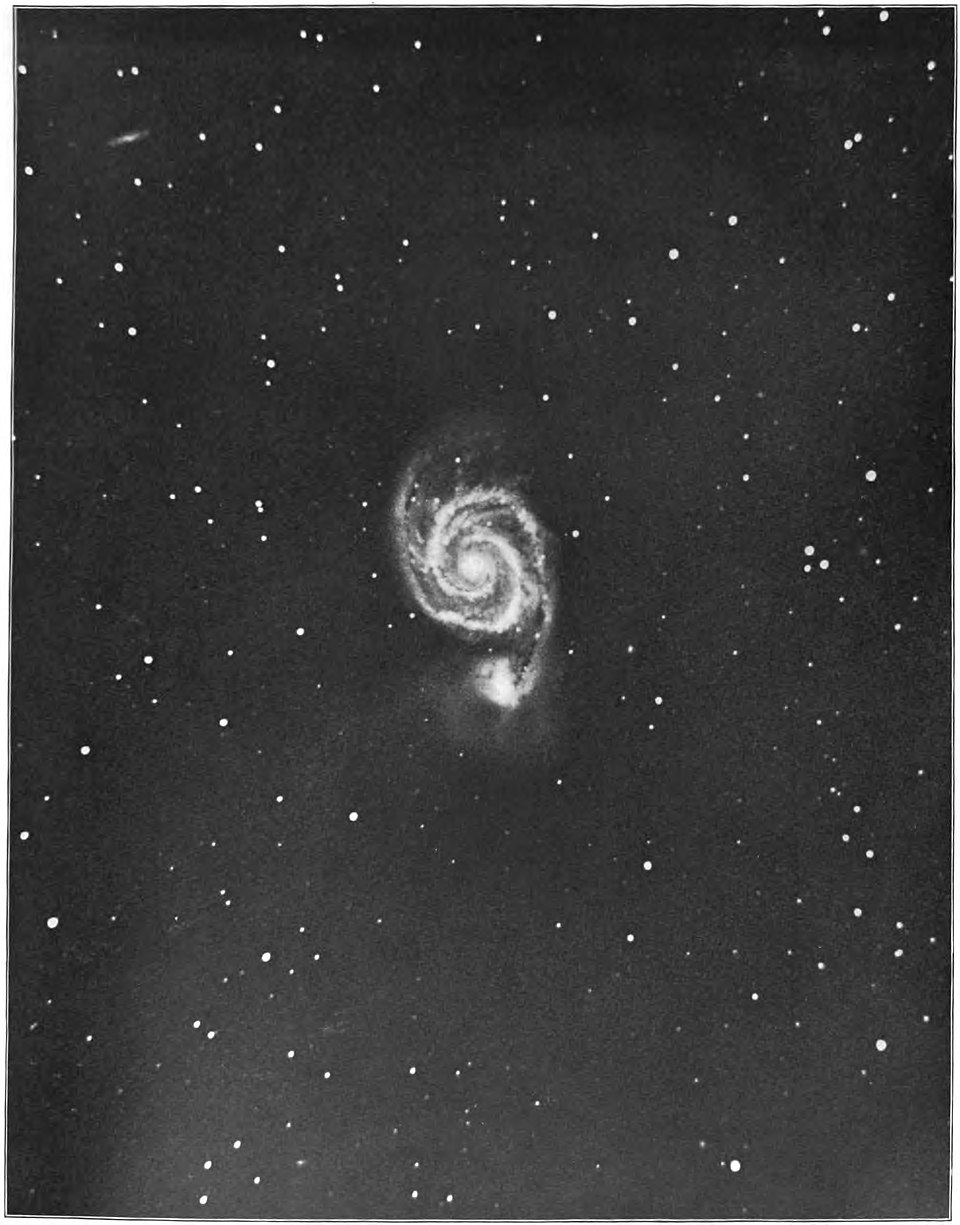
Before digital cameras, astronomers used large glass plates coated with photosensitive chemicals to capture images of the night sky. The plates were loaded into a telescope and left for long exposures, resulting in faint images.
The Yerkes collection, created between 1900 and 1970, not only has historic value, but also scientific value: As a time capsule of the cosmos, it allows modern astronomers to study how stars, galaxies, and other objects have changed over more than a century.
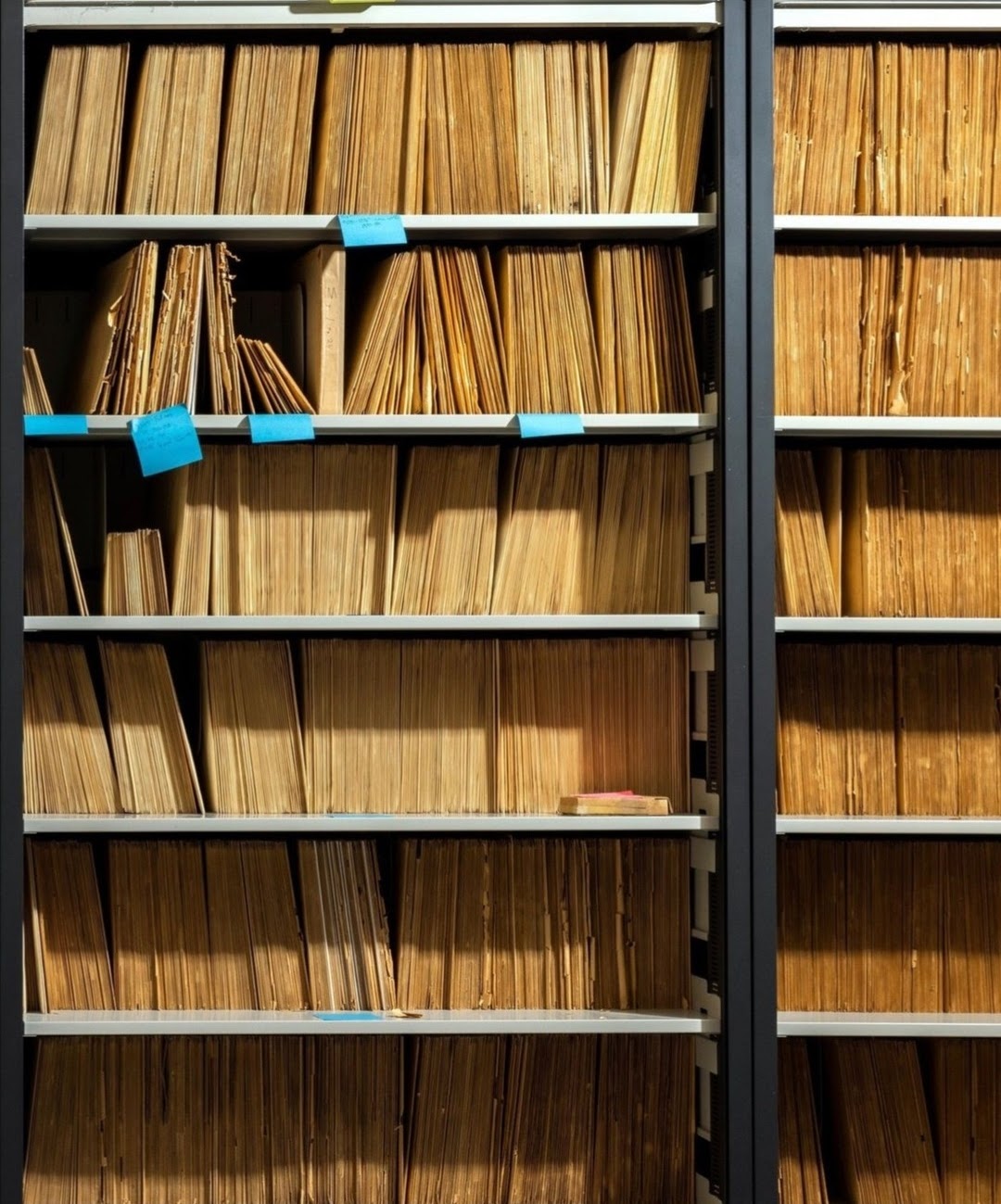
The YFF’s next undertaking is to digitize the entire collection and launch a citizen science project where volunteers will transcribe the original handwritten logbooks. This effort will unlock the plates’ data, allowing researchers and the public to mine over a century of observations to answer new astronomical questions.
The future of Yerkes
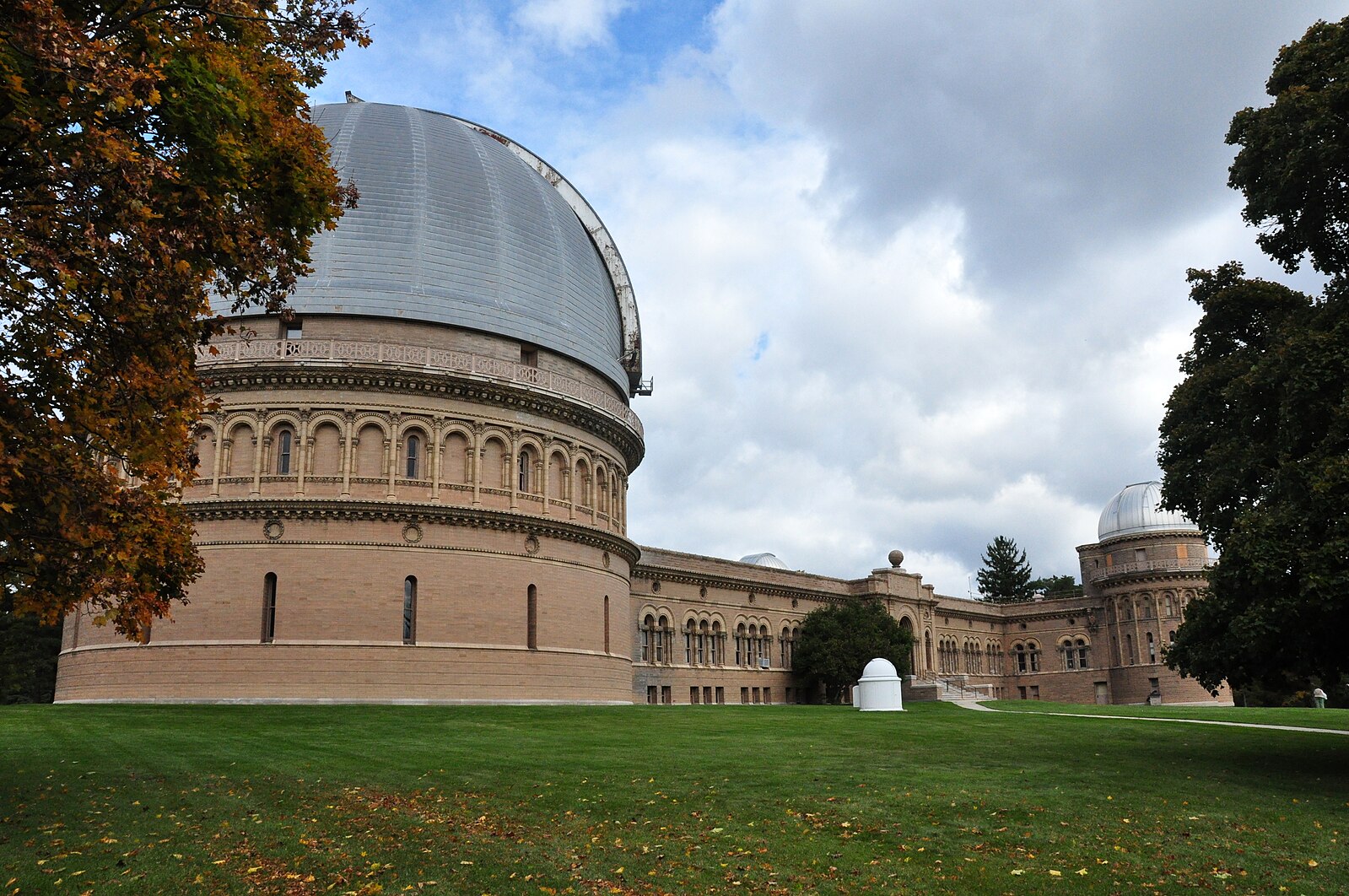
Yerkes Observatory opened in 1897 in Williams Bay, Wisconsin, constructed by visionary astronomer George Ellery Hale. The facility is famous for housing the world’s largest refractor telescope, and a star-studded list of astronomers, including Edwin Hubble and Carl Sagan, studied or worked within its walls.
That history was nearly erased when the observatory’s longtime operator, the University of Chicago, wound down its activities at Yerkes in 2018, effectively shuttering it. But, as Astronomy detailed last year, the nonprofit YFF was quickly formed to save the facility.
The YFF’s goal is not only to preserve the historic nature of the site, but for the observatory to serve as a bridge to future scientific research. This plate acquisition is a tangible first step toward fulfilling that mission.
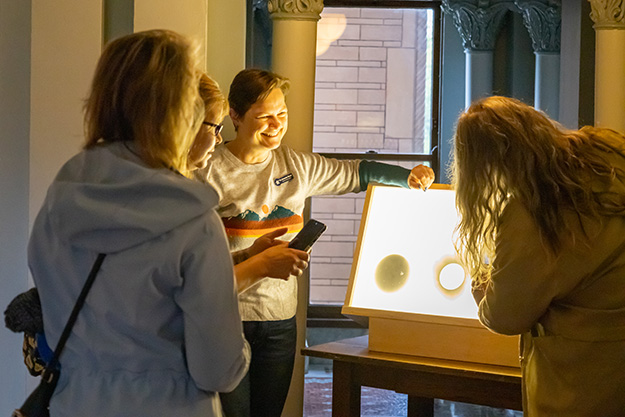
“These plates represent a remarkable scientific legacy,” said Amanda Bauer, head of Yerkes’ science and education efforts. “They captured photons from stars and galaxies over a hundred years ago; light that can never be collected again.”
By preserving and sharing this unique dataset, Yerkes is ensuring its century-old observations can help answer the astronomical questions of tomorrow.