Astronomy Magazine Astrophotography Contest Now accepting entries!
Learn more
Skip to content
Astronomy Magazine logo
  • Login / Register
  • Logout
  • Shop
  • Subscribe

  • News
  • Science
    • Solar System
    • Exoplanets
    • Stars
    • Milky Way
    • Galaxies
    • Exotic Objects
    • Cosmology
  • Observing
    • In The Sky
    • Upcoming Events
    • The Sun
    • The Moon
    • Planets
    • Comets
    • Deep-Sky Objects
    • Observing Basics
    • Telescopes and Equipment
    • Astrophotography
    • Gear Guide
    • This Week in Astronomy
  • Space Exploration
    • What’s Launching This Week
    • Human Spaceflight
    • Robotic Spaceflight
  • The Magazine
  • Ask Astro
  • Star Products
  • News
  • Science
    • Solar System
    • Exoplanets
    • Stars
    • Milky Way
    • Galaxies
    • Exotic Objects
    • Cosmology
  • Observing
    • In The Sky
    • Upcoming Events
    • The Sun
    • The Moon
    • Planets
    • Comets
    • Deep-Sky Objects
    • Observing Basics
    • Telescopes and Equipment
    • Astrophotography
    • Gear Guide
    • This Week in Astronomy
  • Space Exploration
    • What’s Launching This Week
    • Human Spaceflight
    • Robotic Spaceflight
  • The Magazine
  • Ask Astro
  • Star Products
  • Login / Register
  • Logout
  • Shop
  • Subscribe
From the July 2010 issue

Ask Astro web extra: Have we found multiple planet systems around other stars?

Associate Editor Liz Kruesi
By Astronomy Staff | Published: July 26, 2010 | Last updated on May 18, 2023

Up Next

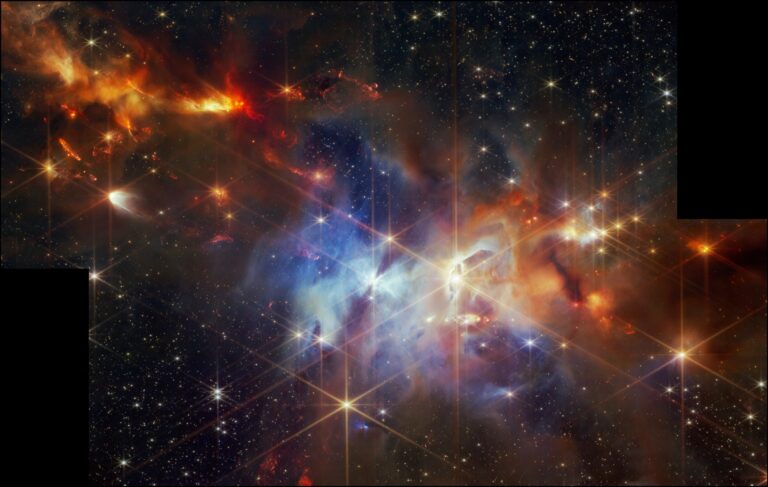
  • A richly detailed telescope image of a star-forming nebula, filled with swirling clouds of blue, orange, and pink gas and dust. Dark pillars of dense dust cut through the center of the image, surrounded by glowing nebular material and hundreds of orange and yellow stars scattered throughout. A bright cluster of young stars illuminates the lower right portion of the image, casting a warm glow against the surrounding gas clouds.
    Stars

    RCW 36: A bird of prey sails away

  • An artist's illustration of two stars against a dense, starry background with red and blue nebula clouds. A large, intensely bright white star dominates the left side of the image, while a smaller, vivid blue star glows to its right, suggesting a binary star system.
    Stars

    How can a young blue giant have a white dwarf companion star that’s billions of years older?

  • Abell 1689
    Stars

    When gravitational lensing occurs, can we see the object doing the lensing?

  • Exoplanets, Stars

    JWST uncovers the Lobster Nebula’s firestorm of starbirth

  • Stars

    R Aquarii’s strange, twisted relationship

  • Stars

    How long do planetary nebulae last?

  • Exoplanets, Stars

    JWST reveals how dust becomes planets

  • Stars

    The first commercial space telescope just achieved first light

  • Milky Way, Solar System, Stars

    The Sun’s galactic migration may have made life on Earth possible

Astronomy Newsletter

Get newsletters, updates and special offers via email from Astronomy.com!

Please enter a valid email address.

Astronomy magazine: 50 years and counting

Astronomy leads the astronomy hobby as the most popular magazine of its kind in the world. Get information about subscriptions, digital editions, renewals, advertising and much, much more.

Count me in

FREE DOWNLOAD

All About the Apollo Mission

Get it now
Astronomy Magazine logo
  • Facebook
  • LinkedIn
  • YouTube
  • Instagram
  • Twitter
  • About Us
  • Contact Us
  • Subscribe
  • Customer Service
  • Advertising
  • Terms of Use
  • Privacy Policy
  • Do Not Sell

@ 2025 Firecrown Media. All Rights Reserved.

More Sites from Firecrown Media Publisher logo
Scroll to Top

Sign In

New User? Create an Account

Why Sign In? Subscribers can access their digital magazine issues, and registered users can participate in our Community forums and galleries.

Please enter your email.
Please enter your password.

Lost your password?

Manage My AccountCustomer Support