July 2026 digital issue Now available!
Learn more
Skip to content
Astronomy Magazine logo
  • Login / Register
  • Logout
  • Shop
  • Subscribe

  • News
  • Science
    • Solar System
    • Exoplanets
    • Stars
    • Milky Way
    • Galaxies
    • Exotic Objects
    • Cosmology
  • Observing
    • In The Sky
    • Upcoming Events
    • The Sun
    • The Moon
    • Planets
    • Comets
    • Deep-Sky Objects
    • Observing Basics
    • Telescopes and Equipment
    • Astrophotography
    • Gear Guide
    • This Week in Astronomy
  • Space Exploration
    • What’s Launching This Week
    • Human Spaceflight
    • Robotic Spaceflight
  • The Magazine
  • Ask Astro
  • Star Products
  • News
  • Science
    • Solar System
    • Exoplanets
    • Stars
    • Milky Way
    • Galaxies
    • Exotic Objects
    • Cosmology
  • Observing
    • In The Sky
    • Upcoming Events
    • The Sun
    • The Moon
    • Planets
    • Comets
    • Deep-Sky Objects
    • Observing Basics
    • Telescopes and Equipment
    • Astrophotography
    • Gear Guide
    • This Week in Astronomy
  • Space Exploration
    • What’s Launching This Week
    • Human Spaceflight
    • Robotic Spaceflight
  • The Magazine
  • Ask Astro
  • Star Products
  • Login / Register
  • Logout
  • Shop
  • Subscribe

Author: Soumyadeep Mukherjee

The Milky Way stretches in a broad arc across a dark, star-filled sky above a mountain range with snow-dusted peaks and green alpine valleys. Bright pink and magenta clouds of glowing gas are visible in the upper left portion of the sky, with patches of dark dust threading through the dense band of stars. A few small structures — including a tiny settlement — are visible at the base of the mountains.
Astrophotography, Features

Capturing the night sky in Kyrgyzstan

Astrophotography, Features

How to capture the night sky in one shot

Astrophotography

Simple long-term imaging projects

Astrophotography, Observing

Imaging Earth and the sky above it

Astrophotography

How to create great star trail images

Telescopes and Equipment

Nikon’s Z 180–600mm f/5.6–6.3 VR lens reviewed for astrophotography

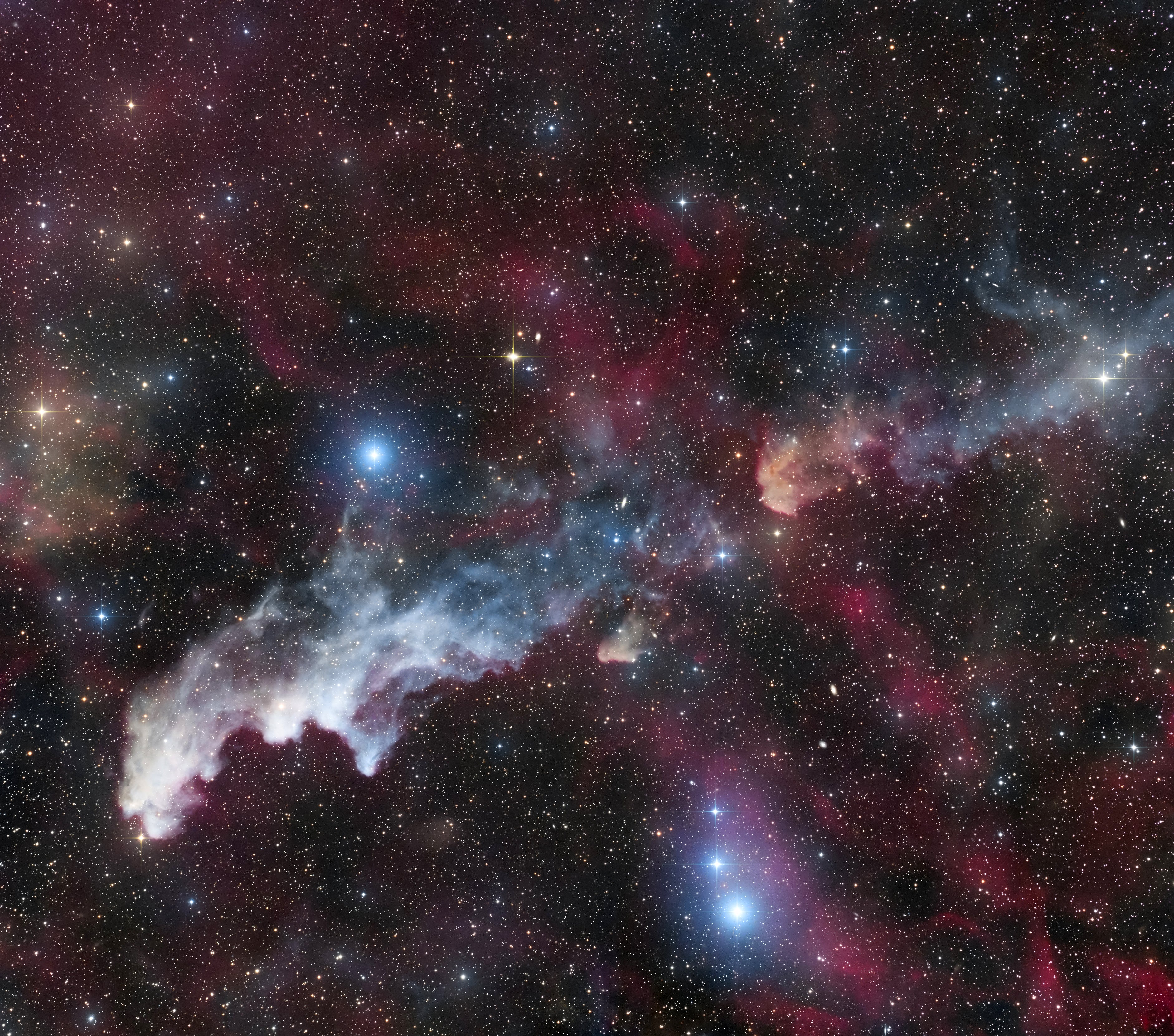
Located near the bright star Rigel, IC 2118 is a faint reflection nebula spanning almost 70 light-years and is popularly known as the Witch Head Nebula. Mukherjee used Telescope Live to acquire 12 hours of data from Australia with a Takahashi FSQ106ED, FLI PL16083, Paramount MX+, and Astrodon LRGB filters.
Astrophotography

Meet one of the fastest growing astroimaging communities

Astronomy Newsletter

Get newsletters, updates and special offers via email from Astronomy.com!

Please enter a valid email address.
Astronomy Magazine logo
  • Facebook
  • LinkedIn
  • YouTube
  • Instagram
  • Twitter
  • About Us
  • Contact Us
  • Subscribe
  • Customer Service
  • Advertising
  • Terms of Use
  • Privacy Policy
  • Do Not Sell

@ 2025 Firecrown Media. All Rights Reserved.

More Sites from Firecrown Media Publisher logo
Scroll to Top

Sign In

New User? Create an Account

Why Sign In? Subscribers can access their digital magazine issues, and registered users can participate in our Community forums and galleries.

Please enter your email.
Please enter your password.

Lost your password?

Manage My AccountCustomer Support