Astronomy Magazine Astrophotography Contest Now accepting entries!
Learn more
Skip to content
Astronomy Magazine logo
  • Login / Register
  • Logout
  • Shop
  • Subscribe

  • News
  • Science
    • Solar System
    • Exoplanets
    • Stars
    • Milky Way
    • Galaxies
    • Exotic Objects
    • Cosmology
  • Observing
    • In The Sky
    • Upcoming Events
    • The Sun
    • The Moon
    • Planets
    • Comets
    • Deep-Sky Objects
    • Observing Basics
    • Telescopes and Equipment
    • Astrophotography
    • Gear Guide
    • This Week in Astronomy
  • Space Exploration
    • What’s Launching This Week
    • Human Spaceflight
    • Robotic Spaceflight
  • The Magazine
  • Ask Astro
  • Star Products
  • News
  • Science
    • Solar System
    • Exoplanets
    • Stars
    • Milky Way
    • Galaxies
    • Exotic Objects
    • Cosmology
  • Observing
    • In The Sky
    • Upcoming Events
    • The Sun
    • The Moon
    • Planets
    • Comets
    • Deep-Sky Objects
    • Observing Basics
    • Telescopes and Equipment
    • Astrophotography
    • Gear Guide
    • This Week in Astronomy
  • Space Exploration
    • What’s Launching This Week
    • Human Spaceflight
    • Robotic Spaceflight
  • The Magazine
  • Ask Astro
  • Star Products
  • Login / Register
  • Logout
  • Shop
  • Subscribe

Author: Raymond Shubinski

Today in the History of Astronomy

May 29, 1919: History’s most important eclipse

A vivid aurora borealis fills the night sky with sweeping green and pink curtains of light above a snow-covered coastal hillside in the Arctic. The calm water of a fjord reflects the glow, while rounded rocks line the shoreline in the foreground and distant lights illuminate a small structure on the far shore.
Science

Uncovering the science of aurorae

Today in the History of Astronomy

Feb. 8, 1969: The Allende meteorite falls

Science

Tour Europe’s great celestial clocks

Today in the History of Astronomy

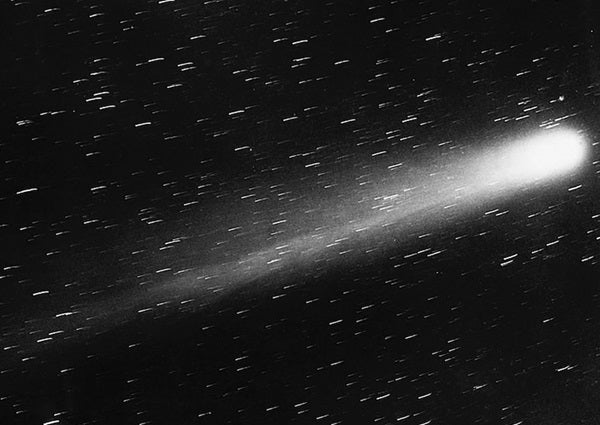
Jan. 17, 1910: The Great Comet reaches perihelion

Today in the History of Astronomy

Dec. 25, 1642: The birth of Isaac Newton

Stars

Stars lost to history

Observing Basics, Telescopes and Equipment

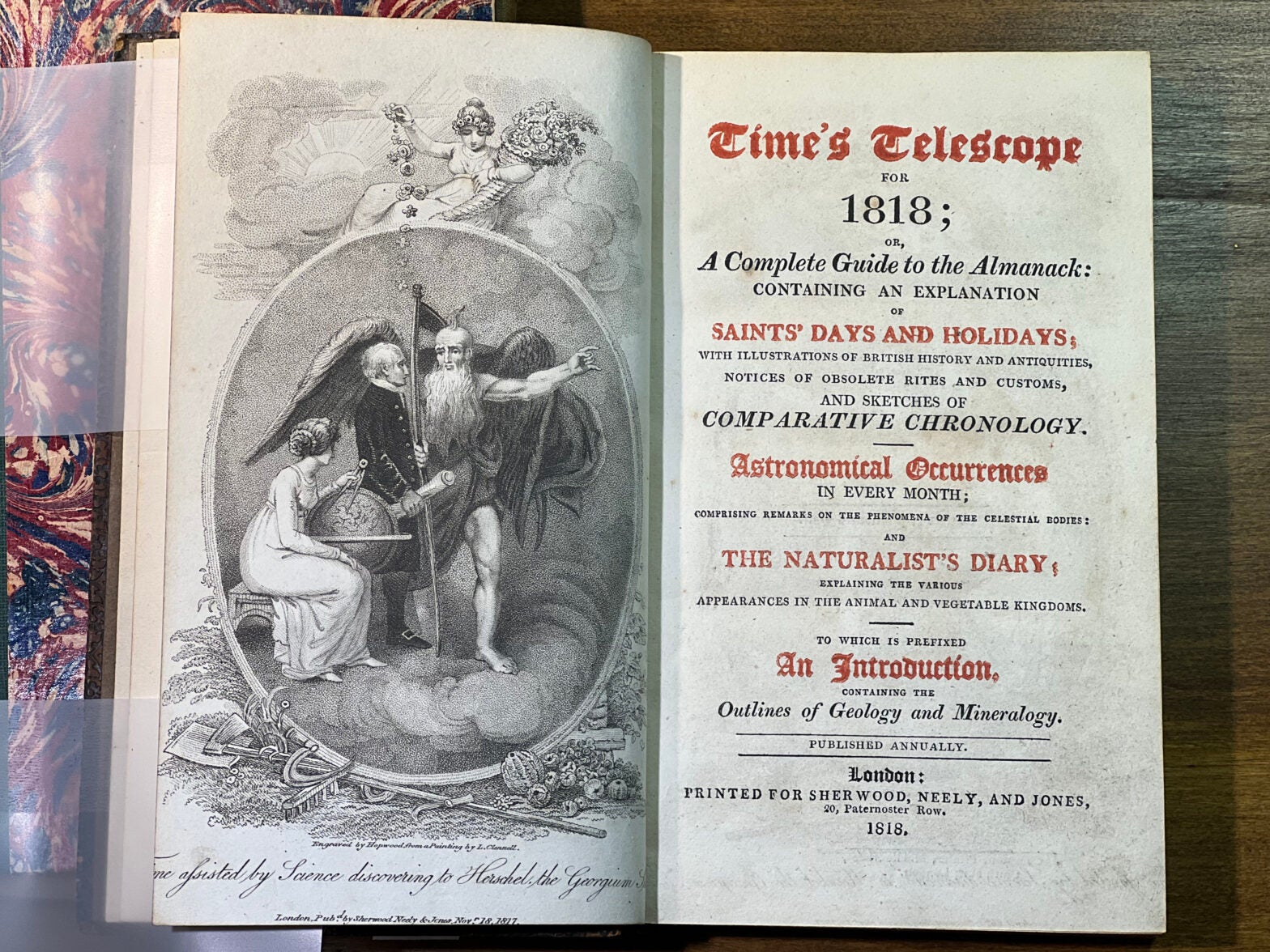
Top 15 guide books for astronomy beginners

Observing

Observe the sky’s colorful stars

Illustration of the Moon and Earth
Science

How tracking the Moon helped astronomers unlock our understanding of celestial motion

Astrophotography, Telescopes and Equipment

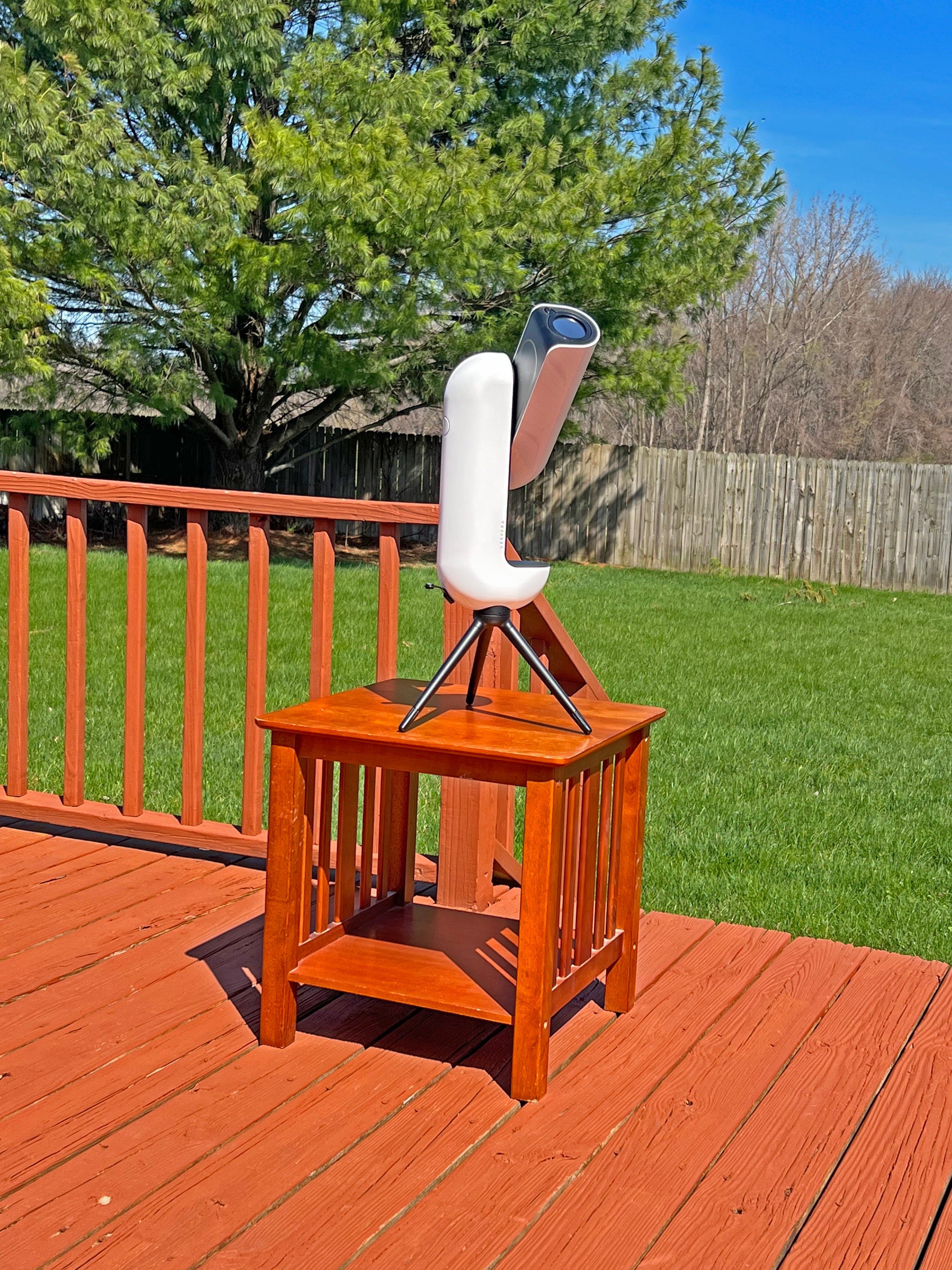
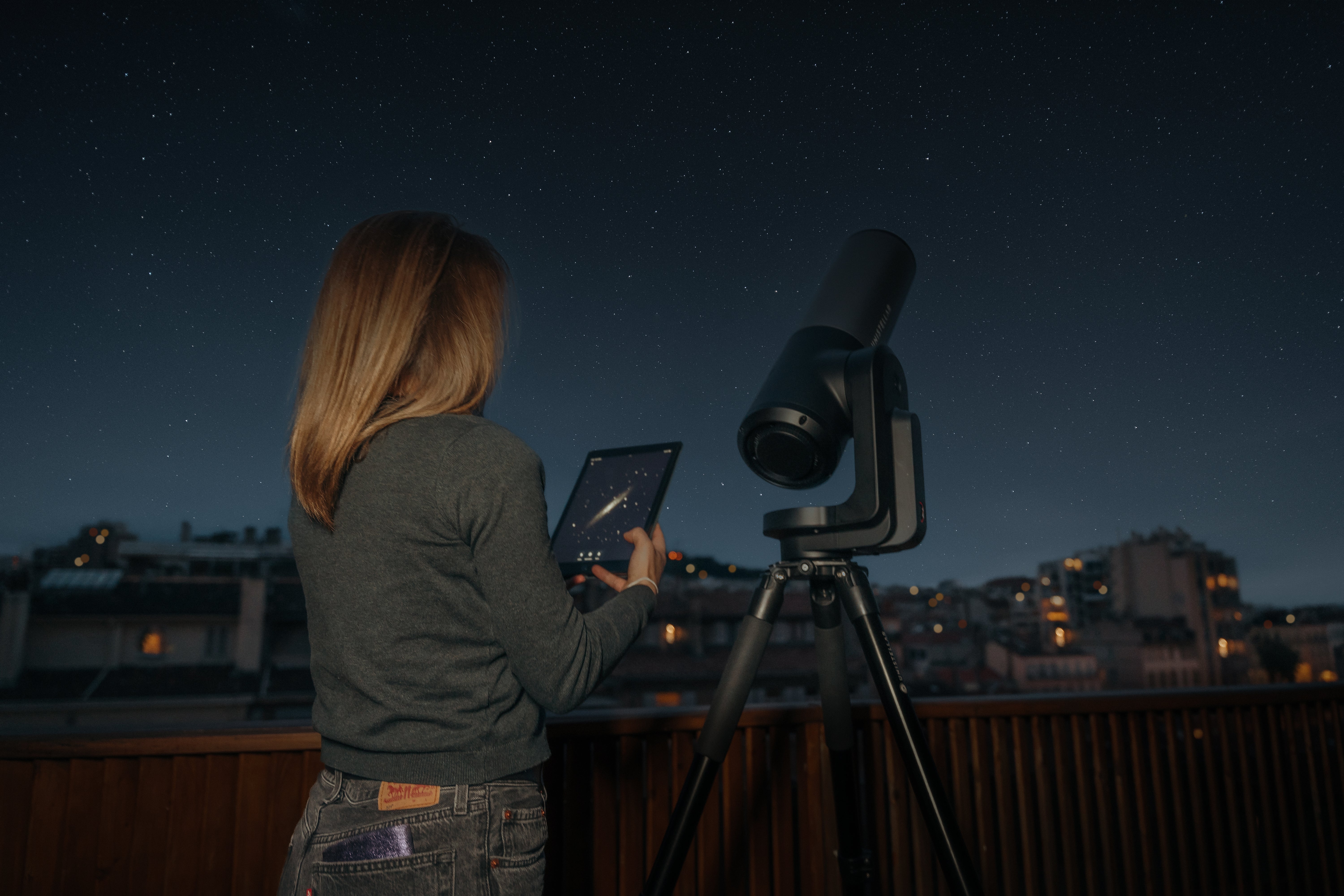
Review: Astronomy tests Vaonis’ Hestia telescope for your smartphone

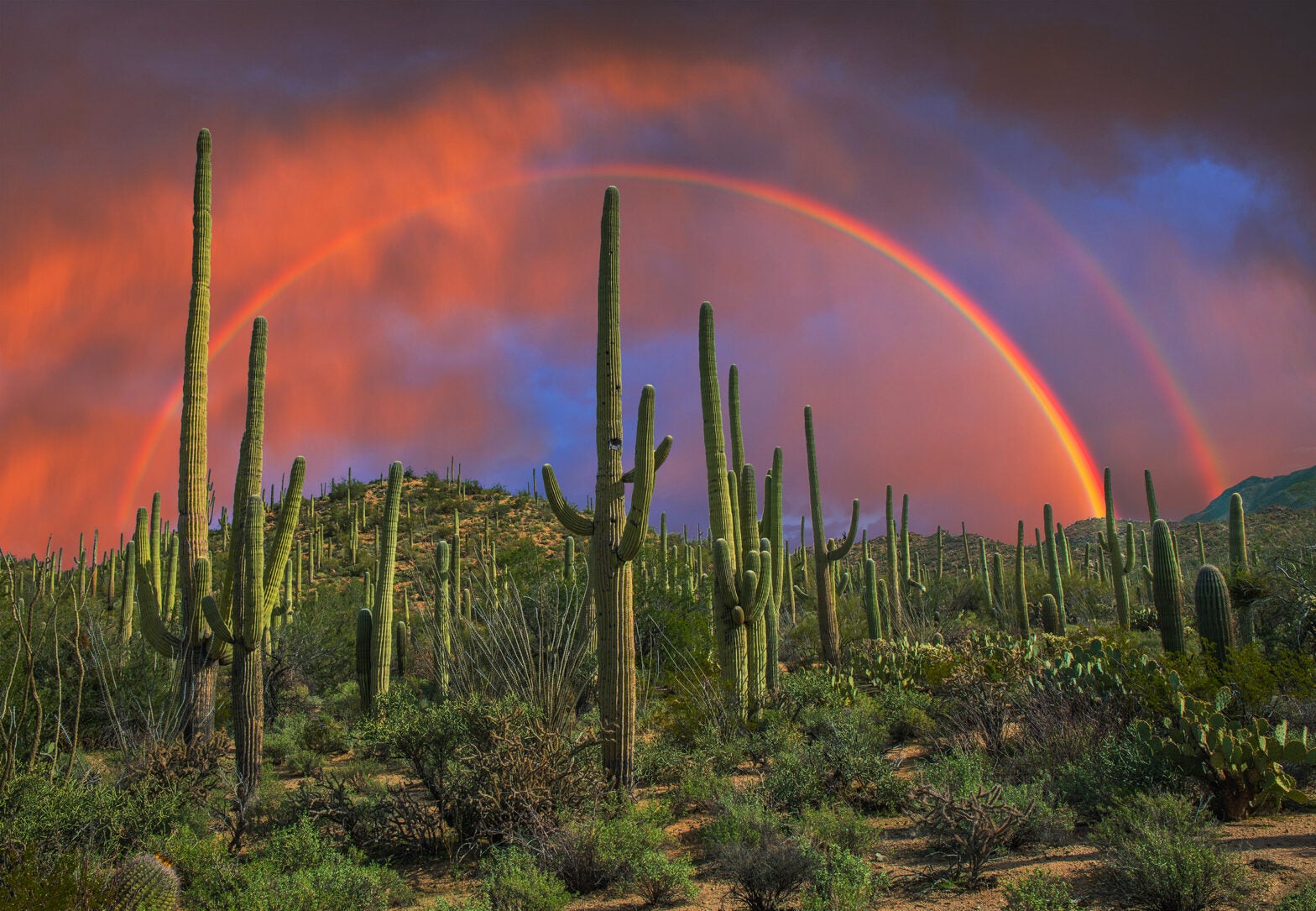
A double rainbow seen from Saguaro National Park in Tucson, Arizona, features a bright primary and a faint secondary as a companion. In the foreground are giant saguaro cacti.
Science

Explore the science of rainbows

Posts pagination

1 2 3 4 Older posts

Astronomy Newsletter

Get newsletters, updates and special offers via email from Astronomy.com!

Please enter a valid email address.
Astronomy Magazine logo
  • Facebook
  • LinkedIn
  • YouTube
  • Instagram
  • Twitter
  • About Us
  • Contact Us
  • Subscribe
  • Customer Service
  • Advertising
  • Terms of Use
  • Privacy Policy
  • Do Not Sell

@ 2025 Firecrown Media. All Rights Reserved.

More Sites from Firecrown Media Publisher logo
Scroll to Top

Sign In

New User? Create an Account

Why Sign In? Subscribers can access their digital magazine issues, and registered users can participate in our Community forums and galleries.

Please enter your email.
Please enter your password.

Lost your password?

Manage My AccountCustomer Support