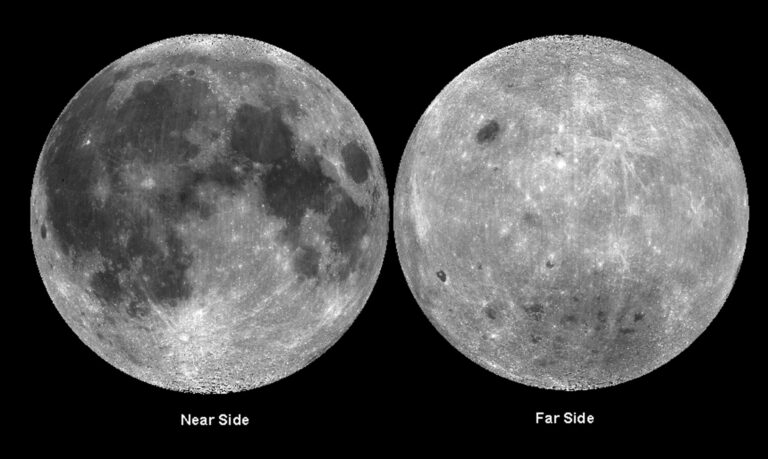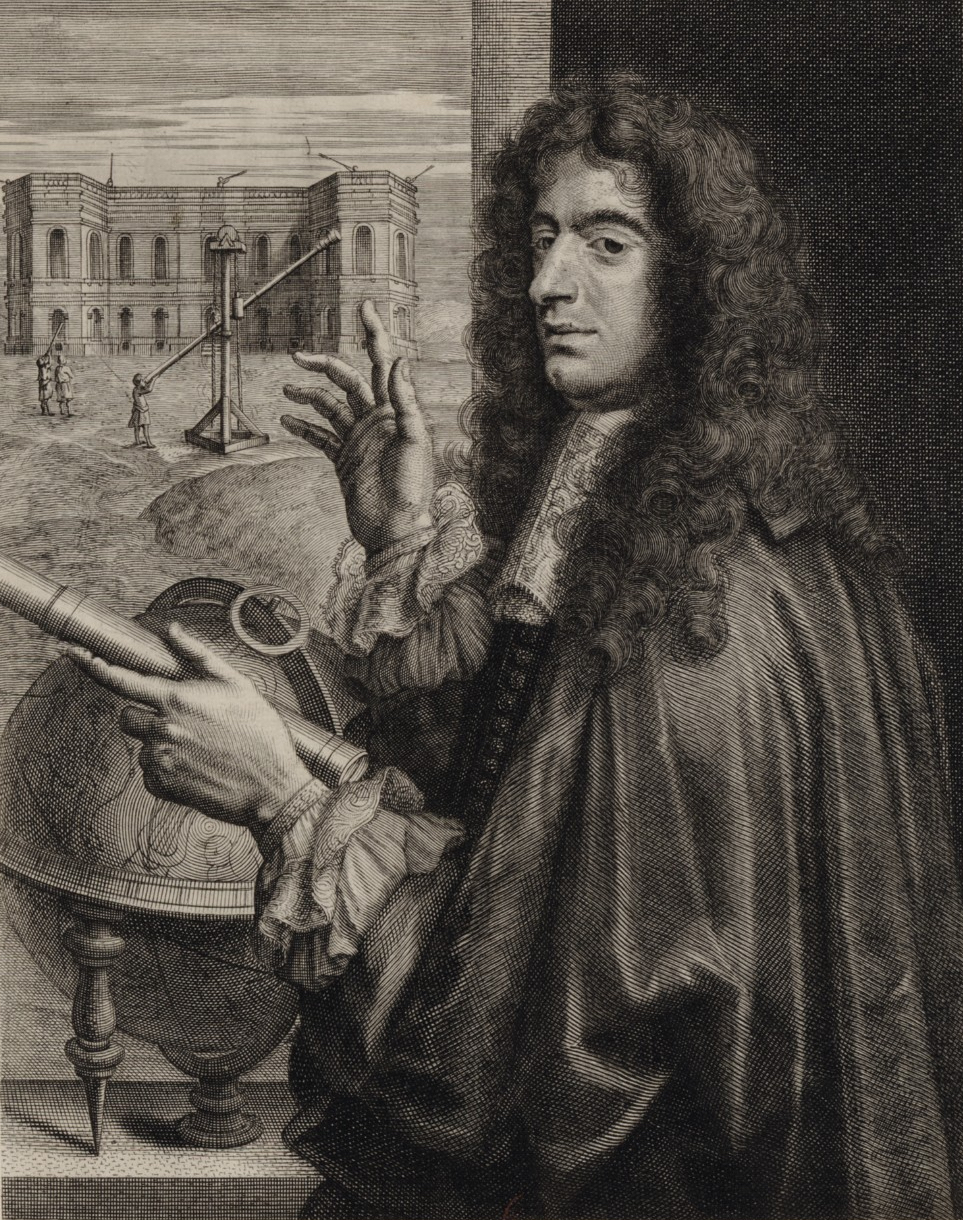
In 1669, French-Italian astronomer Giovanni Cassini arrived at the still-under-construction Paris Observatory as its new director. He quickly talked Louis XIV’s minister of finance into buying a 34-foot Campani refractor for the observatory, and on Oct. 25, 1671, used that refractor to discover Saturn’s moon Iapetus. The second saturnian moon discovered, after Christaan Huygens’ 1655 Titan find, Iapetus appeared brighter at some parts of its orbit and darker at others. Cassini also noted that he could only see the moon on the west side of Saturn; from that information, he was able to correctly deduce that Iapetus has one side with a far dark albedo than the other, and that the moon is tidally locked with Saturn. Scientists speculate that one face of Iapetus is murkier in color because eruptions of hydrocarbons at the surface, or because it may be picking up detritus from darker moon Phoebe.
Cassini had a long and productive astronomical career, during which he improved instruments and discovered, observed, and measured many new celestial bodies. Among these were not just Iapetus, but also the third, fourth, and fifth moons of Saturn: Rhea, Dione, and Tethys. After Cassini’s 1684 Tethys discovery, it would be over 100 years before William Herschel spotted the fifth one, Mimas. Today we know of 274 saturnian moons.