
Key Takeaways:
- Tycho Brahe is recognized as a pivotal figure in astronomical history, notably ranked as the greatest pre-telescopic observer and second only to Galileo in *Astronomy*'s 2022 list of preeminent astronomers.
- Driven by the pervasive inaccuracies in existing stellar and planetary position data, Brahe committed his career to rectifying these issues through the construction and utilization of sophisticated pre-telescopic instruments, including quadrants, an armillary sphere, and a sextant.
- His significant observations include the 1572 supernova (Tycho's Nova) and the Great Comet of 1577, for which his precise measurements indicated no parallax, thereby establishing their locations beyond the Moon.
- Brahe's meticulous observational data, bequeathed to his protégé Johannes Kepler, were fundamental for the derivation of the laws of planetary motion, which subsequently served as a cornerstone for Isaac Newton's scientific work.
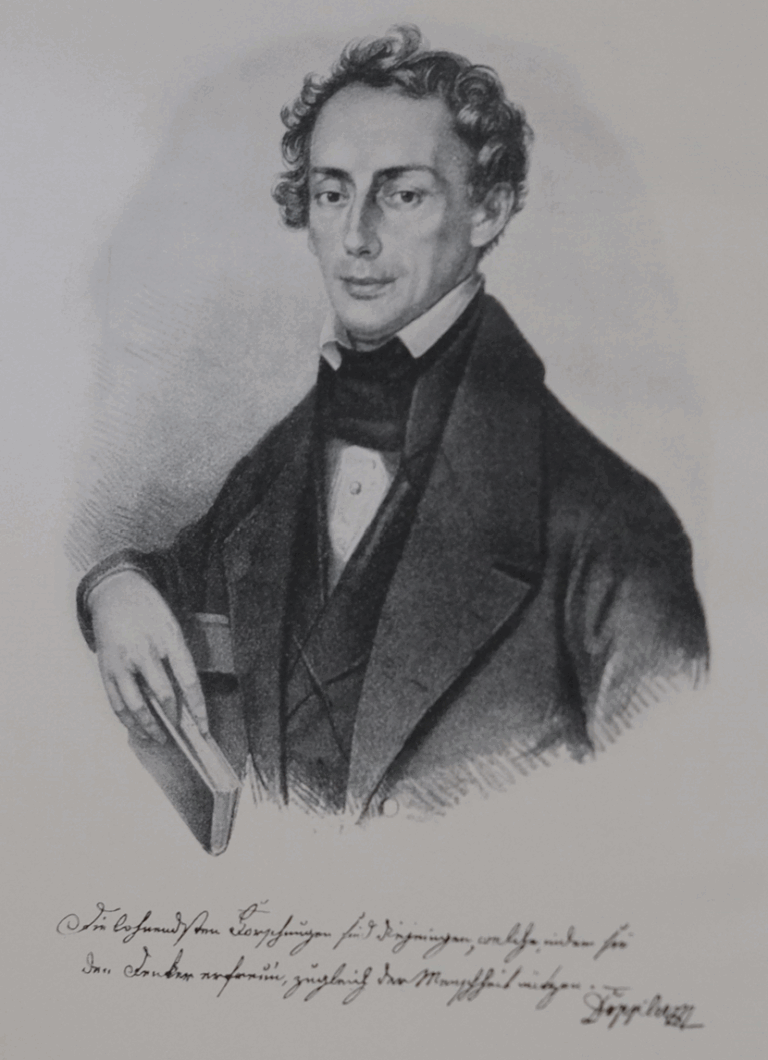
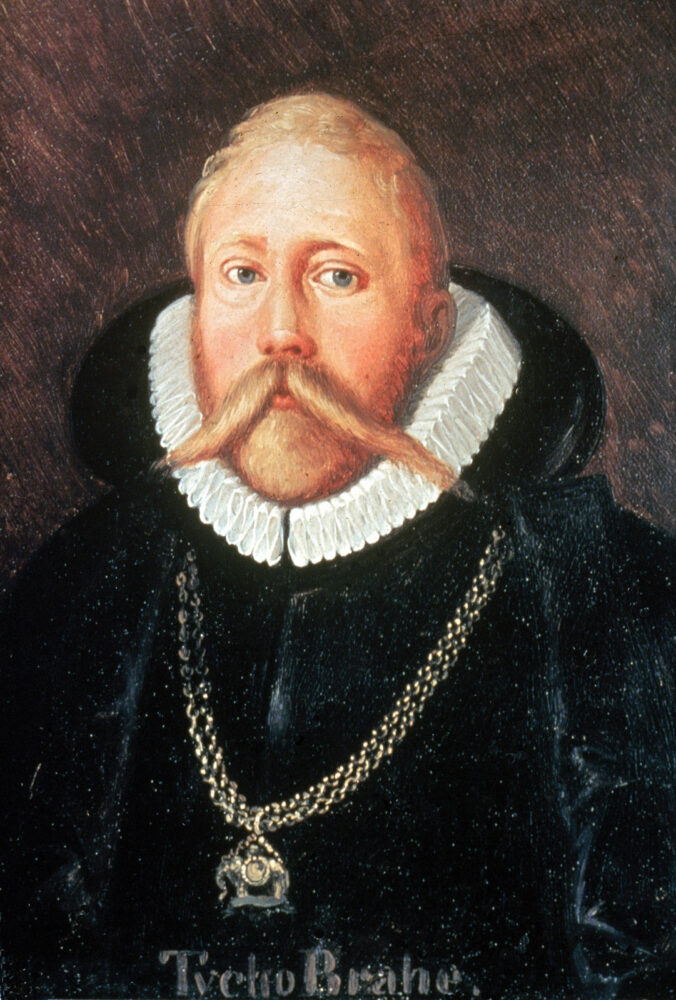
In Astronomy’s 2022 list of the 20 greatest astronomers of all time, Associate Editor Michael Bakich ranked Tycho Brahe No. 2, second only to Galileo, noting: “Danish astronomer Tyge (Tycho) Ottesen Brahe was history’s greatest pre-telescopic observer.”
Born Dec. 14, 1546, Tycho was raised by an uncle who funded his education at the University of Leipzig. There, he discovered that most existing publications of stellar and planetary positions were hugely inaccurate, and decided to devote his life to rectifying this problem. Among the career highlights that prompted Bakich to rank him so high: “Although Brahe didn’t have a telescope, he constructed many observing instruments: several quadrants, an armillary sphere, a sextant, and a large globe. Two of his famous observations were of the supernova that appeared in 1572 (now called Tycho’s Nova) and the Great Comet of 1577. When he measured their positions, he saw no parallax, meaning that their distances placed them beyond the Moon.”
Tycho died Oct. 24, 1601, in Prague, leaving his data to his protégé, Johannes Kepler. His careful observations allowed Kepler to determine the laws of planetary motion; these laws, in turn, became the basis for the work of Isaac Newton.