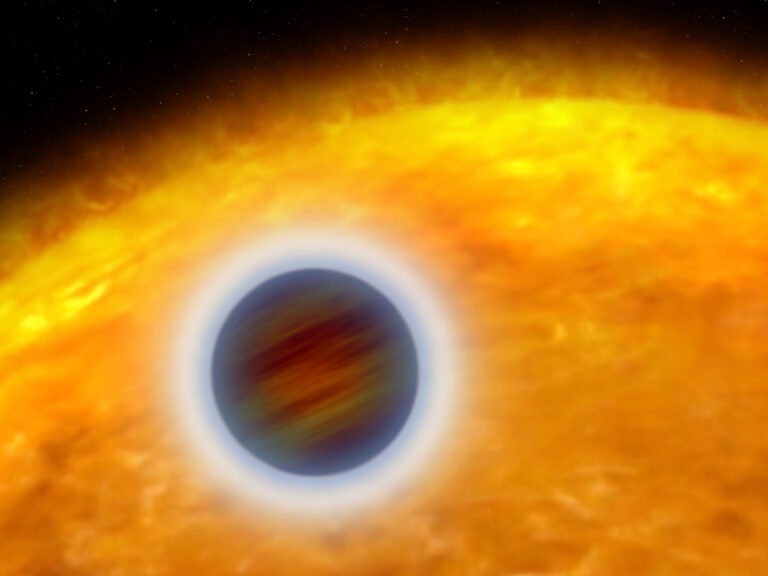

A collection of 12 Spitzer images released for the observatory's 12th anniversary showcases the stunning stellar views it captured. Credit: NASA/JPL-Caltech

Key Takeaways:
- NASA's Great Observatories program comprised four space telescopes observing the universe across different wavelengths: Hubble (visible), Compton (gamma-ray), Chandra (X-ray), and Spitzer (infrared).
- The Spitzer Space Telescope, launched in August 2003, significantly exceeded its planned 2.5-year mission lifespan, operating for 16 years.
- Spitzer's observations contributed to advancements in our understanding of various astronomical phenomena, including exoplanets, the Hubble constant, black holes, and planet formation.
- Despite its decommissioning in 2020, Spitzer's extensive data archive remains a valuable resource for ongoing scientific research and discovery.
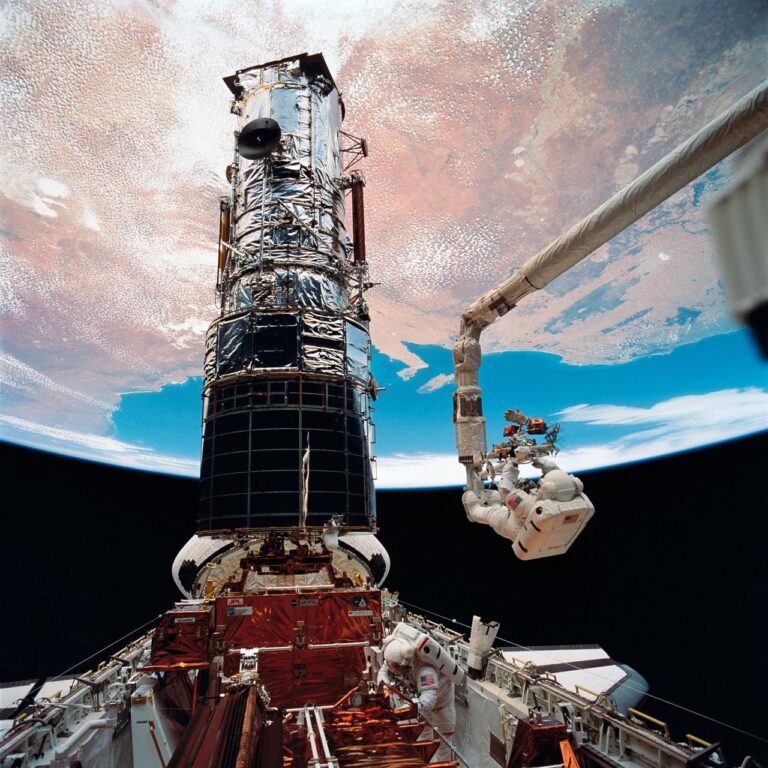
NASA’s Great Observatories were intended to peer at the universe in different wavelengths: the Hubble Space Telescope in visible light, the Compton Gamma Ray in gamma rays, the Chandra X-ray Observatory in X-rays, and the Spitzer Space Telescope in infrared. The last of the four to be launched, Spitzer was carried into space on Aug. 25, 2003, and settled into its obit by Sept. 3. Planned for a two-and-a-half-year mission, Spitzer returned data and images for 16 years, adding to our understanding of exoplanets, the Hubble constant, black holes, and planet formation. A forerunner of the James Webb Space Telescope, Spitzer was decommissioned in 2020, but its data archive continues to supply new discoveries.