Home > Welcome to astronomy > Astronomy for kids > The solar system
The solar system
How hot is it on Venus? How big is Jupiter? What color is Neptune? Find out about Earth and our neighborhood.
The Sun
The Sun, an average-sized, middle-aged star, formed almost 5 billion years ago from a cloud of gas and dust.
Mercury
Mercury, the closest planet to the Sun, takes only 88 days to orbit the Sun.
Venus
The surface of Venus, the brightest object in the sky after the Sun and Moon, is covered with craters, mountains, volcanos, and lava plains.
Earth
Earth is the third planet from the Sun and takes 23 hours, 56 minutes to spin on its axis one time.
The Moon
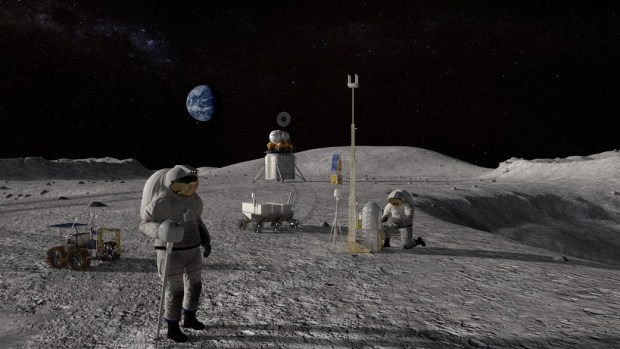
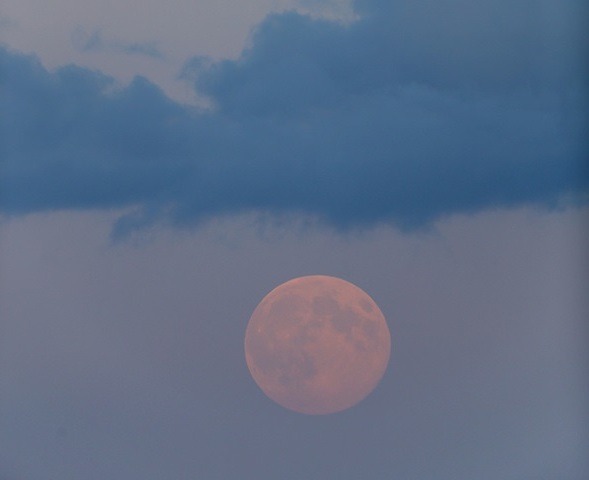
The Moon, located 238,000 miles from Earth, has a temperature of 225° F during the day and drops down to –243° at night.
Mars
Rust in the soil creates the Red Planet's signature color.
Jupiter
Jupiter is the largest planet in our solar system, with a diameter of 89,000 miles.
Saturn
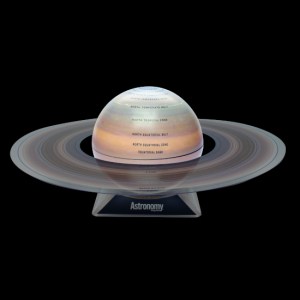
Saturn, the sixth planet from the Sun, has a ring system made up of ice and rock particles, some as big as a minivan.
Uranus
Uranus, the third-largest planet in the solar system, has an average temperature of –350° F and does not have a solid surface.
Neptune
Neptune has 13 moons, the two largest are Triton and Nereid.
Pluto
Pluto, reclassified as a dwarf planet in 2006, is located nearly 40 times as far from the Sun as Earth.
Asteroids
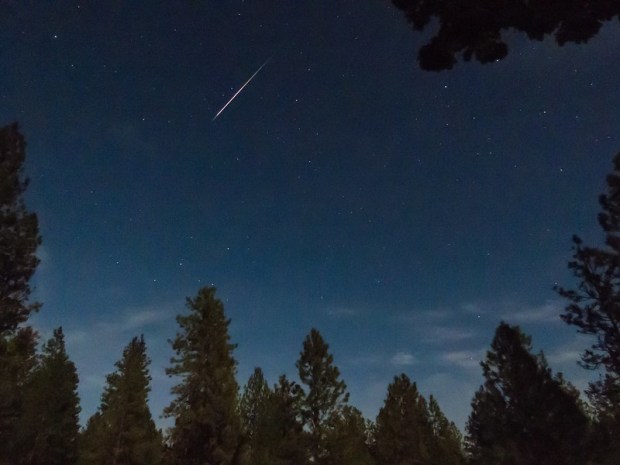
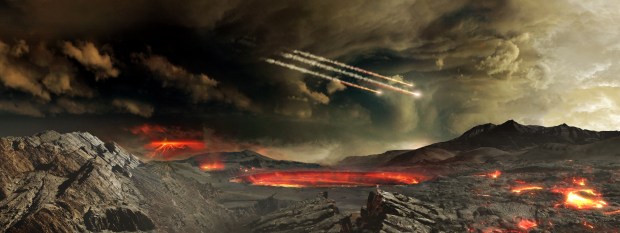
Asteroids, chunks of rock and metal that orbit the Sun, sometimes collide with the Earth. This is one possible explanation for the extinction of dinosaurs.
Comets
Comets, thought to be leftovers of the early solar system, are made of dust, rocks, organic compounds, and ice.
E-mail Address: Password:
Remember me?

Forgot your password » | Login help »

Not a member? Register » | Why join? »

Newsletter Signup

Receive news, sky-event information, observing tips, and more from Astronomy's free weekly e-mail newsletter.

Privacy Policy

Cosmology's Greatest Discoveries