Home > Videos > How to
How to
Learn tips and techniques in the hobby of astronomy.
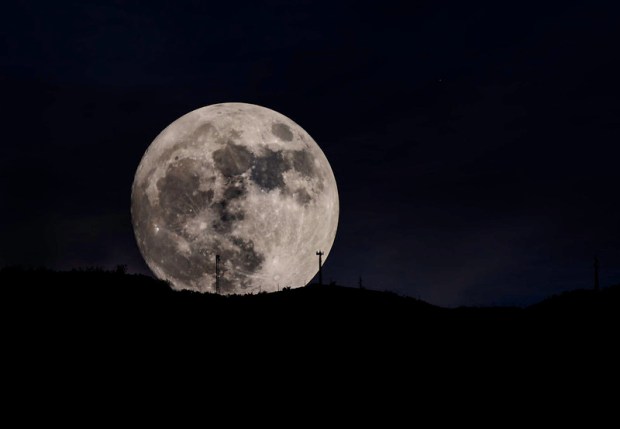
Observe the Moon with a small telescope 
Follow a few easy tips, and you'll be an experienced moonwatcher in no time.
Observe easy-to-find objects in the autumn sky
Astronomy magazine Senior Editor Rich Talcott explains how you can see several bright planets, notable constellations, and bright deep-sky objects this fall.
Autumn observing targets for large telescopes 
Astronomy magazine Editor David J. Eicher highlights the deep-sky objects you can see this fall using a large telescope. Targets include Spiral galaxy 210, Planetary nebula Jones 1, The Bubble Nebula (NGC 7635), The Pinwheel Galaxy (M33), Stephan's Quintet, and more!
Autumn observing targets for small telescopes 
Astronomy magazine Senior Editor Michael E. Bakich highlights the objects you can see this fall using a small telescope. Targets include the Andromeda Galaxy, the Helix Nebula, M2, the Blue Snowball, and more!
Observe easy-to-find objects in the summer sky
Astronomy magazine Senior Editor Rich Talcott explains how to find a few objects in the summer sky using nothing more than your binoculars. Highlights include bright planets, notable constellations, and bright deep-sky objects.
Summer observing targets for small telescopes 
Astronomy magazine Senior Editor Michael E. Bakich highlights the objects you can see this summer using a small telescope. Highlights include the Hercules Cluster, the Ring Nebula, the Lagoon Nebula, and more .
Summer observing targets for large telescopes 
Astronomy magazine Editor David J. Eicher shares 10 of his favorite summer deep-sky objects, including the Bug Nebula (NGC 6302), the Eagle Nebula (M16), the Blackeye Galaxy (M64) and more.
How to use Astronomy.com's interactive star chart StarDome
Senior Editor Richard Talcott shows off all the cool features that can help you observe the night sky with Astronomy.com's StarDome.
How to use Astronomy.com's StarDome Plus
Astronomy magazine subscribers have access to a slew of cool functions in StarDome Plus. Senior Editor Rich Talcott explains some of the highlights.
How to buy your first telescope
Senior Editor Michael E. Bakich shares the top 10 things you should know before buying your first telescope.
How to use a star chart
Senior Editor Rich Talcott helps you navigate the night sky using Astronomy magazine's pullout star chart — located in the center of each monthly issue.
Observe easy-to-find objects in the spring sky
Astronomy magazine Senior Editor Rich Talcott explains how to find a few objects in the spring sky using nothing more than your binoculars. Highlights include Venus, the Big Dipper, and the Beehive Star Cluster (M44).
Springtime observing for small telescopes 
Astronomy magazine Senior Editor Michael E. Bakich highlights the objects you can see this spring using a small telescope. Highlights include the star Mizar, spiral galaxy M101, open cluster M67, and the Sombrero Galaxy (M104).
Observing springtime deep-sky objects with a large telescope 
Astronomy magazine Editor David J. Eicher shares 10 of his favorite springtime deep-sky objects, including the NGC 3190 galaxy group, 3C 273, and NGC 3242.
See Dave Eicher's favorite deep-sky objects (part 1) 
Astronomy's Editor shares several nebulae, galaxies, and clusters he enjoys observing.
See Dave Eicher's favorite deep-sky objects (part 2) 
Astronomy's Editor shares several nebulae, galaxies, and clusters he enjoys observing.
How to observe deep-sky objects
Michael E. Bakich, author of 100 Most Spectacular Sky Wonders, reveals his top 10 deep-sky targets.
How to observe a lunar eclipse
The Moon passing through Earth's shadow is one of the most dramatic sky events — it's also one of the easiest to observe.
How to observe nebulae  
Astronomy Editor David J. Eicher gives tips for teasing out faint details in these celestial clouds of gas and dust.
How to observe star clusters  
Astronomy Editor David J. Eicher tells you what to look for and how to tell these "cities of stars" apart.
Make your own astronomy library  
Senior Editor Michael E. Bakich's personal astronomy library tops 2,500 books.
Here, he describes types of astronomy books and how to collect them.
How to observe galaxies 
Astronomy Editor and famed deep-sky observer David J. Eicher gives advice on teasing the most detail out of distant star cities.
How to observe meteor showers
Enjoying a meteor shower requires only comfort and patience. Senior Editor Michael E. Bakich gives tips on spending a night under "shooting stars."
Sketching from the telescope 
Astronomy Editor David J. Eicher sketches the galaxy NGC 1023 and shares his techniques for putting on paper what he sees in the eyepiece.
Collecting meteorites 
Astronomy Editor David J. Eicher shares treasures from his personal meteorite collection and gives advice on starting your own.
E-mail Address: Password:
Remember me?

Forgot your password » | Login help »

Not a member? Register » | Why join? »

Newsletter Signup

Receive news, sky-event information, observing tips, and more from Astronomy's free weekly e-mail newsletter.

Privacy Policy

Cosmology's Greatest Discoveries
The Milky Way Inside & Out